Saturday, March 7, 2026
More
    Home Blog Page 12

    Anatomy Of Cats: The Best Results – Feline Body Inside And Out

    0

    Cats have fascinated humans for centuries, not just for their elegance and mystery, but also for their unique physical traits. Whether you’re a pet owner, a veterinary student, or simply a curious mind, understanding the anatomy of cats offers valuable insights into how these animals function and thrive.

    Anatomy of Cats

    This comprehensive guide explores everything from the feline skeletal structure to internal organs, muscles, sensory systems, and more. Let’s dive deep into the complex and captivating anatomy of cats.

    The Anatomy of Cats

    The anatomy of cats is a fine-tuned biological masterpiece that supports agility, speed, balance, and stealth. These traits make cats excellent hunters and allow them to live harmoniously as both wild and domesticated animals.

    Cats are obligate carnivores, meaning their entire anatomy—from teeth to digestive tract—is optimized for consuming and processing meat. Unlike omnivores or herbivores, cats possess specialized physical characteristics designed for a predator’s lifestyle.

    Anatomy of Cats: The Best Results - Feline Body Inside and Out

    Skeletal Structure: The Framework of the Cat

    The feline skeleton plays a critical role in agility and flexibility, which are hallmark traits of all domestic cats.

    Skull and Teeth

    The feline skull is compact, rounded, and supports forward-facing eyes, which allow for excellent depth perception. Cats have 30 adult teeth:

    • 12 incisors
    • 4 canines
    • 10 premolars
    • 4 molars

    These teeth are designed for tearing meat rather than grinding food, highlighting their predatory nature.

    Spine and Flexibility

    A cat’s spine contains around 50 vertebrae (depending on the tail length), giving them extreme flexibility. The vertebral column includes:

    • Cervical vertebrae (neck)
    • Thoracic vertebrae (upper back)
    • Lumbar vertebrae (lower back)
    • Sacral vertebrae (pelvis area)
    • Caudal vertebrae (tail)

    This flexible spine allows for the well-known “righting reflex,” which lets cats twist in midair and land on their feet.

    Limbs and Paws

    Cats are digitigrades, meaning they walk on their toes. Each paw has five toes in the front and four in the back. This contributes to their silent and graceful movements. Their limbs contain strong bones and joints that allow for both quick sprints and vertical jumps.

    Muscular System: Built for Stealth and Power

    The muscular system is closely tied to the anatomy of cats. Cats possess over 500 muscles, with a significant number dedicated to movement coordination and rapid reflexes.

    • Back Muscles support climbing and jumping.
    • Leg Muscles provide speed and explosive power.
    • Facial Muscles aid in communication and hunting precision.

    A well-developed muscular system makes cats excellent predators and contributes to their territorial and athletic behaviors.

    Nervous System and Brain Function

    The cat’s brain, although smaller than a dog’s in proportion, is highly efficient. It shares around 90% of its structure with the human brain, especially in areas related to emotion and memory.

    The nervous system governs reflexes, balance, movement, and perception. Feline agility is largely due to precise neural control. Key components include:

    • Central Nervous System (CNS): Brain and spinal cord
    • Peripheral Nervous System (PNS): Nerves extending to limbs and organs
    • Autonomic Nervous System (ANS): Regulates involuntary functions like heartbeat and digestion

    Respiratory System: Oxygen for Energy

    The respiratory system enables gas exchange and supports aerobic function in cats. When understanding the anatomy of cats, it’s vital to note how oxygen efficiency influences stamina and healing.

    Key components:

    • Nasal passages: Filter and warm air
    • Trachea: Channels air to the lungs
    • Lungs: Conduct gas exchange
    • Diaphragm: Assists breathing

    Cats have a faster respiratory rate than humans, which supports their high-energy activities like hunting or playing.

    Circulatory System: Transporting Vital Nutrients

    The feline circulatory system is responsible for delivering oxygen, nutrients, and hormones throughout the body while removing waste products.

    Key elements include:

    • Heart: Four-chambered, beats 140–220 times per minute in a healthy adult
    • Blood vessels: Arteries, veins, and capillaries
    • Blood: Composed of red and white cells, platelets, and plasma

    Monitoring heart rate and circulation is vital in understanding your cat’s overall health.

    Anatomy of Cats: The Best Results - Feline Body Inside and Out

    Digestive System: Tailored for a Carnivore

    Unlike humans, the feline digestive system is short and designed specifically for meat digestion. Every part of the system reflects their carnivorous lifestyle.

    Components:

    • Mouth and salivary glands
    • Esophagus
    • Stomach: Acidic environment for breaking down meat
    • Small intestine: Absorbs nutrients
    • Large intestine and colon: Processes waste
    • Liver and pancreas: Assist digestion and regulate blood sugar

    Cats do not possess the enzymes needed to break down plant material efficiently, which is why meat-based diets are essential.

    Urinary System: Balancing Fluids and Electrolytes

    The urinary system manages fluid levels and removes toxins from the bloodstream. It also helps regulate blood pressure.

    Key structures:

    • Kidneys: Filter blood and regulate electrolytes
    • Ureters: Carry urine to the bladder
    • Bladder: Stores urine
    • Urethra: Releases urine from the body

    Kidney issues are common in older cats, making this part of the anatomy particularly important in geriatric feline care.

    Reproductive System: Biology of Feline Reproduction

    Understanding the reproductive anatomy of cats is crucial, especially for breeders and pet owners deciding on neutering or spaying.

    Male Cats:

    • Testes: Produce sperm and testosterone
    • Penis and prepuce: Mating apparatus

    Female Cats:

    • Ovaries: Release eggs and hormones
    • Uterus: Site of embryo implantation
    • Vagina and vulva: Birth canal and external genitalia

    Female cats can go into heat multiple times a year, and their reproductive anatomy supports frequent pregnancies unless controlled.

    Endocrine System: Hormonal Control Center

    The endocrine system regulates growth, metabolism, and reproduction through hormone secretion.

    Main glands include:

    • Pituitary gland: Master hormone regulator
    • Thyroid gland: Controls metabolic rate
    • Adrenal glands: Manage stress and metabolism
    • Pancreas: Insulin production
    • Ovaries/Testes: Reproductive hormones

    Disorders such as hyperthyroidism are common, particularly in aging cats.

    Sensory Organs: Feline Superpowers

    Cats rely heavily on their senses, many of which are far superior to those of humans. The anatomy of cats allows them to interact with the world in unique ways.

    Vision

    • Cats have excellent night vision due to a high concentration of rod cells.
    • Their field of view is about 200 degrees, with binocular overlap for depth perception.
    • While color vision is limited, motion detection is exceptional.

    Hearing

    • Cats hear frequencies between 48 Hz to 85 kHz—far beyond human range.
    • Their ear muscles (over 30 in each ear) allow for independent movement to pinpoint sounds.

    Smell

    • The feline olfactory system is 14 times stronger than a human’s.
    • The vomeronasal organ (Jacobson’s organ) detects pheromones, aiding in mating and territorial behaviors.

    Touch

    • Whiskers (vibrissae) detect subtle air movements and textures.
    • Cats also have sensitive paw pads and body fur capable of registering temperature and vibrations.

    Integumentary System the Anatomy of Cats: Skin, Fur, and Claws

    This system protects cats from external harm and plays a key role in communication and thermoregulation.

    • Fur insulates and reflects emotional states
    • Skin acts as a barrier and sensory interface
    • Claws aid in hunting, climbing, and self-defense

    Cats groom themselves not only for hygiene but also for temperature control and social bonding.

    Unique Traits in the Anatomy of Cats

    Some anatomical traits are exclusive or particularly refined in cats:

    • Righting Reflex: Developed at 3–4 weeks old, helps them land on their feet
    • Flexible clavicles: Allow squeezing through tight spaces
    • Papillae on the tongue: Backward-facing barbs made of keratin, useful for grooming and scraping meat from bones

    These traits are evolutionary advantages that define feline behavior and survival strategies.

    How Anatomy Influences Cat Behavior

    Understanding the anatomy of cats also helps explain common behaviors:

    • Scratching: Maintains claw health and marks territory
    • Purring: May aid healing through low-frequency vibrations
    • Stretching and jumping: Linked to muscle and joint health
    • Sleeping postures: Reflect temperature regulation and comfort

    When you observe your cat’s actions, you’re witnessing anatomy in motion.

    Caring for Your Cat Based on Its Anatomy

    A clear grasp of the anatomy of cats empowers you to make better choices in daily care:

    • Nutrition: Choose food that aligns with their carnivorous digestive system
    • Exercise: Promote muscle health and mental stimulation
    • Grooming: Maintain fur and skin health
    • Veterinary visits: Focus on age-relevant systems like kidneys and joints

    Anatomy should inform every aspect of feline wellness, from diet to diagnostics.

    Final Thoughts on the Anatomy of Cats

    The anatomy of cats is a fascinating subject that reveals just how remarkable and specialized these animals are. From their bones and muscles to their senses and internal organs, every aspect of their biology contributes to the behavior and health we observe in our pets. Whether you’re a cat parent, a vet student, or an animal enthusiast, this knowledge enhances your appreciation and care of these graceful companions.

    By understanding the anatomy of cats, you’ll not only deepen your connection with your feline friend but also become better equipped to ensure their long-term


    Is Pedigree Complete Nutrition Good For Dogs 2025?

    0
    Is Pedigree Complete Nutrition Good For Dogs 2025

    Is Pedigree Complete Nutrition good for dogs in 2025? This question is paramount for pet owners seeking the best for their canine companions. With numerous dog food options available, understanding the quality and suitability of Pedigree Complete Nutrition is essential. This article delves into its ingredients, nutritional value, recalls, and expert opinions to provide a comprehensive overview.

    Is Pedigree Complete Nutrition Good For Dogs 20252

    Understanding Pedigree Complete Nutrition

    Pedigree Complete Nutrition is a dry dog food line produced by Mars Petcare. Marketed as providing complete and balanced nutrition, it aims to meet the dietary needs of adult dogs. The brand emphasizes affordability and widespread availability, making it a popular choice among dog owners.

    Is Pedigree Complete Nutrition Good For Dogs 2025?

    Ingredient Analysis

    A critical aspect of evaluating any dog food is its ingredient composition. According to Pedigree’s official website, the primary ingredients in their Complete Nutrition line include:

    • Ground Whole Corn
    • Meat and Bone Meal
    • Animal Fat
    • Ground Whole Wheat
    • Corn Gluten Meal
    • Brewer’s Rice
    • Vegetable Oil
    • Beet Pulp

    While these ingredients provide essential nutrients, some, like meat and bone meal, are considered lower-quality protein sources. The reliance on corn and wheat as primary ingredients may not be ideal for all dogs, especially those with grain sensitivities.

    Nutritional Profile

    Assessing the nutritional content is vital to determine if a dog food meets a pet’s dietary requirements. According to Dog Food Advisor, Pedigree Complete Nutrition has the following approximate composition:

    • Protein: 25%
    • Fat: 11%
    • Carbohydrates: 56%

    This profile indicates a moderate protein and fat content, with a higher carbohydrate percentage. While suitable for many dogs, those requiring higher protein diets might benefit from alternative options. Dog Food Advisor

    Pedigree: Recall History

    Safety is a paramount concern for pet owners. In May 2024, the FDA announced a voluntary recall of specific batches of Pedigree Adult Complete Nutrition Grilled Steak & Vegetable Flavor Dry Dog Food due to potential metal contamination. The recall affected 44-pound bags sold at Walmart in select states. No injuries were reported, and the company took prompt action to address the issue. New York Post

    Expert Opinions and Reviews

    Expert and consumer reviews provide valuable insights into a product’s performance.

    • Dog Food Advisor rates Pedigree Complete Nutrition as a 1-star product, citing concerns over ingredient quality and the use of unnamed meat sources. People.com
    • All About Dog Food notes that while Pedigree offers affordability, its ingredients may not be of the highest quality, and the reliance on cereals and meat derivatives could be a drawback for some pet owners.
    • Reddit Discussions: In forums like r/husky, users express mixed feelings. Some report their dogs thriving on Pedigree, while others prefer brands with higher-quality ingredients.

    Pros and Cons

    Pros:

    • Affordability: Pedigree is budget-friendly, making it accessible to a wide range of pet owners.
    • Availability: Widely available in supermarkets and pet stores.
    • Palatability: Many dogs enjoy the taste, leading to consistent feeding.

    Cons:

    • Ingredient Quality: Use of lower-quality protein sources and fillers.
    • Grain Content: High reliance on corn and wheat, which may not suit all dogs.
    • Recall History: Past recalls raise concerns about quality control.

    Alternatives to Consider

    For pet owners seeking alternatives, several brands offer different nutritional profiles:

    • Purina Pro Plan: Known for its science-based formulas and quality ingredients.
    • Hill’s Science Diet: Offers specialized diets for various health needs.
    • Blue Buffalo: Emphasizes natural ingredients and offers grain-free options.
    • Royal Canin: Provides breed-specific and veterinary diets.

    It’s essential to consult with a veterinarian to determine the best diet for your dog’s specific needs.

    Conclusion

    In 2025, Pedigree Complete Nutrition remains a popular choice due to its affordability and accessibility. However, concerns about ingredient quality and past recalls suggest that it may not be the optimal choice for all dogs. Pet owners should weigh the pros and cons, consider their dog’s specific dietary needs, and consult with a veterinarian when selecting a suitable dog food.

    Cat Grooming: Very vital Guidelines for a Wholesome Delighted Pet

    0
    closing files to cat grooming very vital guidelines for a wholesome delighted pussycat.jpg

    Cat Grooming: Very vital Guidelines

    Grooming your feline just true friend is more than accurate‌ a necessity—or no longer it is far ⁣a in​ reality grand phase of their overall health and properly-being. Cats are identified for his or her self-grooming habits, but traditional grooming from their folks can produce a worthy incompatibility. This final handbook to cat grooming will give you an vital⁣ guidelines, ways, and instruments to withhold your furry just true friend taking a gape improbable and feeling noteworthy.

    Cat Grooming: Very vital Guidelines for a Wholesome Delighted Pet

    Why ‌Grooming is Very vital for Cats

    Knowing the importance of grooming can attend ⁣you treasure the role it performs to your cat’s existence. ⁤Here are one of⁢ the most crucial advantages:

    • Reduces Shedding: Traditional grooming removes free ⁤fur, maintaining⁤ your private dwelling⁤ cleaner.
    • Prevents Matting: Namely for long-haired breeds,⁢ grooming prevents tangles and mats that will even be⁢ painful.
    • Enables ​for Health Checks: Grooming gives an different⁤ to take a look⁢ at for pores and​ skin components, lumps, or ⁤parasites.
    • Strengthens Bond: Grooming is a super device to bond alongside with your cat, serving to enhance your relationship.
    • Encourages Leisure: Many cats ride being groomed, serving to them quiet down ‌and⁣ reducing stress.

    Very vital Grooming⁣ Tools

    Equipping​ your self with the gentle instruments can produce cat grooming a⁤ hunch. Here’s a checklist⁣ of some an vital grooming ‍instruments:

    InstrumentDescription
    BrushUtilize a slicker brush ⁢for ⁤doing away with free fur ‌and battling mats.
    CombA metal comb works properly for detangling and smoothing fur.
    Nail ClippersParticular cat ⁢nail clippers or guillotine-sort clippers are easiest for chopping nails.
    Ear ​CleanerGentle ear cleaners attend prevent ear infections and wax buildup.
    Bath SuppliesShampoo and conditioner namely ​made for cats, ‍in case a‌ bathtub is wished.

    Grooming Tactics by Cat ‍Sort

    Assorted cats require⁤ varied grooming ways. Here’s how to ability grooming essentially essentially based completely for your cat’s coat kind:

    Short-Haired Cats

    • Brush as soon as per week with a ⁢rubber grooming mitt or ⁢a steady-toothed comb.
    • Place take a look at for mats or tangles and take⁢ away them promptly.
    • Neat their nails every 2-3 weeks.

    Long-Haired Cats

    • Each day brushing⁣ is instantaneous to prevent matting.
      • Utilize a slicker brush​ to attend get rid of tangles.
      • Rob into chronicle a legit grooming session every few months.

    Senior Cats

    • Grooming shall be more predominant as older cats in most cases groom much less ‍successfully.
    • Gentle handling is an vital; be extra cautious around sensitive areas.

    Step-by-Step Grooming Assignment

    Following a scientific ‍ability can attend produce grooming much less anxious for both you and your cat:

    1. Preparation: Secure your total grooming instruments and⁢ a relaxed ‌atmosphere.
    2. Familiarization: Introduce the instruments gradually to mitigate any alarm.
    3. Brushing: Launch by brushing your cat’s motivate, ‌animated in direction of the ‌tail. Utilize long⁢ strokes to withhold away from pulling.
    4. Nail Trimming: Gently preserve your cat’s paw, press on the pad to lengthen the nail, and neat‌ conscientiously.
    5. Ear Cleansing: Moisten⁤ a​ cotton ball with ear⁣ cleaner and gently wipe the interior ear. Withhold away from ​going too⁣ deep.
    6. Finishing ‍Touches: ⁢ Give your ​cat some treats and⁣ praise to‍ present a grasp to the ride.

    Case Analysis: Precise-Existence Experiences

    Many cat homeowners relish experienced the importance of traditional grooming firsthand. Here are two temporary case research:

    Case Undercover agent 1: Bella the Maine Coon

    Bella, a fluffy ‌Maine Coon, in most cases ‌developed mats in her fur attributable to her long hair. Her owner, Sarah, started grooming Bella each day, which lowered the mats vastly and improved Bella’s comfort and ‍overall happiness.

    Case Undercover agent 2: Leo the ⁣British Shorthair

    Leo’s owner,⁢ Ticket,‌ found out it tough to govern the shedding. By ⁢implementing‍ a weekly grooming schedule, the quantity of fur‌ across the home was ⁢lowered, leading to ⁢a cleaner​ dwelling and a happier, much less itchy Leo.

    In sort Grooming Challenges and Solutions

    While grooming is valuable, it would additionally attain with its challenges. Here‍ are some long-established components and helpful solutions:

    • Cat Resisting Grooming: Utilize treats and certain‍ reinforcement ⁣to support grooming sessions.
    • Mats and Tangles: ‌ If ‍extreme, establish in mind consulting a legit groomer to prevent pores and skin shatter.
    • Overgrown⁤ Nails: In case your cat ⁢hates nail chopping, strive the utilization of nail caps as ⁤an​ different.

    Conclusion

    Grooming your cat ⁣is ​an an vital phase of pet ownership‌ that promotes their⁤ health and happiness. Whether you ⁤relish a temporary-haired or long-haired feline,⁢ following the gentle ways and the utilization of the ‍right kind ⁤instruments can produce grooming a satisfying ride for both you and your kitty. By incorporating traditional grooming into your cat’s routine, you no longer easiest enhance their properly-being but additionally reinforce the bond you share with them. So grasp your grooming kit and beginning making your⁣ cat ​of course ‍feel relish the fine and cherished associate they are with out a doubt!

    Can Cats Eat Bread? All You Must Know

    0

    Introduction

    Cats are known for their picky eating habits, often turning their noses up at foods outside of their usual fare. But every now and then, a curious feline might nibble on something unexpected—like a piece of bread. This raises an important question for pet owners: can cats eat bread? While bread might seem harmless, understanding its nutritional impact, ingredients, and possible health effects is essential for any cat owner.

    This article dives deep into the topic, exploring feline nutrition, the safety of different bread types, and how occasional bread treats might affect your cat’s health. Whether you’re dealing with a food-snatching cat or simply curious, we’ve got the answers.

    Can Cats Eat Bread? Understanding Feline Nutrition

    Cats are obligate carnivores. This means their bodies are biologically designed to derive nutrients primarily from animal sources. Unlike humans or dogs, their digestive systems are not well-equipped to handle high levels of carbohydrates or plant-based foods.

    Key Nutritional Needs of Cats

    • High-quality animal protein (from poultry, fish, beef, etc.)
    • Taurine, an essential amino acid found in meat
    • Fatty acids, including omega-3 and omega-6
    • Vitamins A, D, E, and B-complex
    • Minimal carbohydrates

    Bread, being a carbohydrate-rich food, is not part of a cat’s natural diet. However, does that automatically mean it’s dangerous?

    Can Cats Eat Bread? The Short Answer

    The occasional small piece of plain bread is generally not toxic to cats. However, it’s not recommended as a regular treat due to its lack of nutritional value for felines and potential additives that could harm them.

    Why Cats Might Like Bread

    • Yeast and aroma: Some cats are attracted to the smell of yeast in baked goods.
    • Curiosity: Cats are naturally inquisitive and may be drawn to whatever their humans are eating.

    Still, just because they like it doesn’t mean they should have it regularly.

    Types of Bread and Their Effects on Cats

    Not all bread is created equal. Some types are safer than others, and a few should be completely avoided.

    Safe in Small Quantities

    Bread TypeSafe for Cats?Notes
    White BreadOccasionallyLow nutrition, but non-toxic in small amounts
    Whole WheatOccasionallySlightly more fiber, still not ideal
    Plain BagelsRarelyOften high in salt and preservatives

    Avoid These Completely

    Bread TypeReason to Avoid
    Garlic or Onion BreadToxic to cats—can cause anemia
    Raisin BreadRaisins are toxic and can cause kidney failure
    Bread with NutsCertain nuts (like macadamia) are harmful
    Sweetened BreadSugar, chocolate chips, and xylitol are dangerous

    Potential Health Risks of Feeding Bread to Cats

    While a tiny piece of bread might not harm your cat, frequent feeding or larger quantities can lead to several health issues:

    1. Digestive Upset

    Cats may experience vomiting, diarrhea, or constipation if they consume too much bread or bread containing fiber and grains they aren’t used to.

    2. Obesity

    Bread is high in empty calories. Feeding it regularly can contribute to weight gain, especially in indoor cats that get less exercise.

    3. Allergic Reactions

    Some cats may have sensitivities to wheat or gluten, resulting in itchy skin, ear infections, or digestive issues.

    4. Toxicity from Additives

    Many bread recipes include ingredients that are harmful to cats—such as garlic, onions, chocolate, or raisins.

    What About Unbaked Bread Dough?

    Raw dough containing yeast is a major danger for cats. When ingested, yeast ferments in the stomach, producing alcohol and carbon dioxide. This can lead to:

    • Alcohol poisoning
    • Bloating or stomach expansion
    • Disorientation, lethargy, and seizures

    If you suspect your cat has eaten raw bread dough, contact a veterinarian immediately.

    Better Alternatives to Bread

    If you’re looking to share a treat with your cat, consider healthier, cat-safe options that are both enjoyable and beneficial.

    Can Cats Eat Bread? Feline-Friendly Snacks

    • Cooked, unseasoned chicken or turkey
    • Small portions of canned tuna (in water)
    • Catnip or cat grass
    • Freeze-dried meat treats
    • Commercial cat treats (with limited ingredients)

    These alternatives provide better nutrition and are less likely to cause digestive issues.

    How to Offer Bread Safely (If You Must)

    If your cat insists on tasting bread and you want to allow it as a rare treat, follow these safety guidelines:

    Tips for Feeding Bread Responsibly

    • Only offer plain, baked bread—no seasonings, garlic, or sweeteners.
    • Limit the portion to a pea-sized amount.
    • Avoid giving bread more than once every few weeks.
    • Observe your cat for any reactions or symptoms.
    • Never feed unbaked dough or flavored varieties.

    Real-Life Cases and Vet Opinions

    Case Study 1: Curious Kitten, Stolen Crust

    Milo, a 6-month-old tabby, snuck a bite of toast crust from the kitchen counter. His owner noticed mild vomiting later that day. A vet confirmed that while it wasn’t serious, the crust had butter and garlic residue, which could have caused more harm.

    Case Study 2: Chronic Bread Snacker

    Luna, a 4-year-old indoor cat, was fed small pieces of bread regularly as a treat. Over time, she gained weight and developed mild pancreatitis. Her vet advised switching to lean protein treats and cutting all carbs.

    Vet Perspective

    Dr. Sarah Thompkins, a feline nutrition specialist, says:

    “Bread isn’t inherently toxic to cats, but it offers zero benefit. If you want your cat to thrive, choose snacks that support their carnivorous needs.”

    Key Takeaways: Should Bread Be in Your Cat’s Diet?

    Bread is not a necessary or beneficial part of a cat’s diet. While it might not be harmful in tiny amounts occasionally, it carries several risks and no nutritional rewards. Always prioritize species-appropriate treats and remain cautious of potentially harmful ingredients.

    Summary Table

    QuestionAnswer
    Is plain bread safe?In small amounts, yes
    Is bread healthy for cats?No nutritional value
    Are certain breads dangerous?Yes, especially flavored ones
    Should bread be a regular treat?No
    Better alternatives?Yes—meat-based cat treats

    Conclusion for Can Cats Eat Bread?

    Curiosity might not kill the cat, but it can lead to some questionable dietary choices. While nibbling on plain bread once in a while is unlikely to cause serious harm, it should never replace proper feline nutrition. As responsible cat owners, understanding what our pets can safely consume ensures their long-term health and happiness.

    If your cat shows a strong interest in human food, including bread, use it as an opportunity to explore better alternatives that align with their nutritional needs. Your cat will thank you—with purrs, not pancreatitis.

    Are Orchids Poisonous To Cats: You Need To Know About

    0

    Introduction

    Cats are naturally curious creatures, and their inquisitive nature often leads them to explore every corner of your home—including your houseplants. If you’re a cat owner who loves decorating your space with beautiful blooms, you’ve likely wondered: are orchids poisonous to cats? With a rising number of pet parents turning to Google for plant safety advice, it’s essential to get the facts straight.

    This article explores everything you need to know about cats and orchids—from toxicity levels and symptoms of ingestion to prevention tips and safe alternatives. If you’ve got green thumbs and furry paws under the same roof, this is for you.

    Understanding Plant Toxicity in Cats

    What Makes a Plant Harmful to Cats?

    Before diving into orchids specifically, it’s important to understand what makes a plant dangerous to cats in the first place. Many houseplants contain compounds that, when ingested, interfere with a cat’s digestive, cardiovascular, or neurological systems.

    Common toxic compounds found in plants include:

    • Alkaloids
    • Saponins
    • Terpenoids
    • Glycosides

    These chemicals can lead to symptoms ranging from mild vomiting to severe organ failure.

    So, Are Orchids Poisonous to Cats?

    The good news: most orchids are not toxic to cats. According to the ASPCA (American Society for the Prevention of Cruelty to Animals), the common moth orchid (Phalaenopsis)—one of the most popular household varieties—is listed as non-toxic to felines.

    However, there are a few caveats.

    Important Considerations:

    • Not all orchids are created equal. Some hybrids may have different chemical compositions.
    • Orchids that have been treated with pesticides or fertilizers may be harmful.
    • While not poisonous, ingestion can still cause stomach upset in sensitive cats.
    Are Orchids Poisonous To Cats You Need To Know About

    Signs Your Cat May Have Eaten a Plant

    Even if a plant isn’t toxic, some cats may have a negative reaction. Watch for these symptoms if your pet has been nibbling on any greenery:

    Mild Symptoms

    • Drooling
    • Vomiting
    • Diarrhea
    • Pawing at the mouth

    Severe Symptoms (seek vet attention immediately)

    • Lethargy
    • Tremors
    • Loss of appetite
    • Seizures

    WordPress-Friendly Table: Safe vs. Toxic Plants for Cats

    Here’s a quick reference table for cat-safe and toxic plants:

    Plant Name Safe for Cats? Notes
    Phalaenopsis Orchid ✔️ Yes Non-toxic; may still cause GI upset
    Lilies ❌ No Highly toxic; can cause kidney failure
    Spider Plant ✔️ Yes Safe but can cause mild vomiting
    Aloe Vera ❌ No Toxic; causes vomiting and tremors

    Real Talk: What Vets Say

    Veterinarians often reassure pet parents that orchids—especially common varieties like Dendrobium and Phalaenopsis—are generally safe. Dr. Susan Gorman, DVM, notes:

    “While orchids are unlikely to cause serious harm, it’s still best to discourage your cat from chewing on them, as any plant material can irritate the digestive system.”

    How to Keep Cats Away From Plants

    Even safe plants can be a problem if your cat treats them like a salad bar. Here are practical tips to protect both your flowers and your feline:

    Cat-Proofing Tips:

    • Use citrus peels: Cats dislike the scent of citrus.
    • Place plants on high shelves: Out of reach is out of danger.
    • Try a deterrent spray: Safe, bitter sprays discourage nibbling.
    • Provide cat grass: A safe and satisfying alternative.

    Alternatives to Orchids: Cat-Safe Plant Ideas

    If you’re worried or simply want other options, consider these stunning, non-toxic houseplants:

    • Bamboo Palm – Adds a tropical vibe
    • Areca Palm – Air purifying and safe
    • Boston Fern – Lush and feathery
    • Prayer Plant – Unique patterns and safe for cats
    • Calathea – Bright, vibrant leaves without toxicity

    These options can keep your indoor garden vibrant while keeping your pet safe.

    Personal Story: A Cautious Cat Owner’s Experience

    Anna, a cat mom from Seattle, shared her experience:

    “I had orchids in my apartment for years and never had an issue—until my curious kitten started nibbling. While nothing serious happened, it did make him vomit. Now I keep all my plants on wall-mounted shelves and give him his own patch of cat grass.”

    Her story is a great reminder: just because something isn’t toxic doesn’t mean it can’t be problematic in large amounts.

    What to Do If Your Cat Eats a Plant

    If you suspect your cat has ingested part of a plant and shows signs of illness:

    1. Remove the plant from their reach
    2. Check symptoms (refer to the section above)
    3. Contact your veterinarian
    4. Bring a sample of the plant for identification

    If you’re unsure, call the ASPCA Poison Control hotline: (888) 426-4435

    Quick Recap: Key Takeaways

    • Most orchids, especially Phalaenopsis, are not toxic to cats.
    • Even non-toxic plants can cause mild symptoms like vomiting.
    • Use pet-safe strategies to keep your cat from chewing plants.
    • Provide safe alternatives like cat grass or non-toxic ferns.
    • Always consult a vet if symptoms occur after ingestion.
    Conclusion

    So, are orchids poisonous to cats? Fortunately, the answer is no for the most common varieties. That said, every cat is different, and even safe plants can cause trouble if your furry friend has a sensitive stomach or a penchant for chewing.

    As a responsible pet parent, staying informed is the first step to maintaining a beautiful home and a healthy cat. With a little knowledge and a few precautions, you can enjoy your favorite orchids without worry.

    If you liked this article, check this article:
    https://www.aspca.org/pet-care/animal-poison-control

    The Fascinating Beauty of Unique Cat Coat Patterns

    0

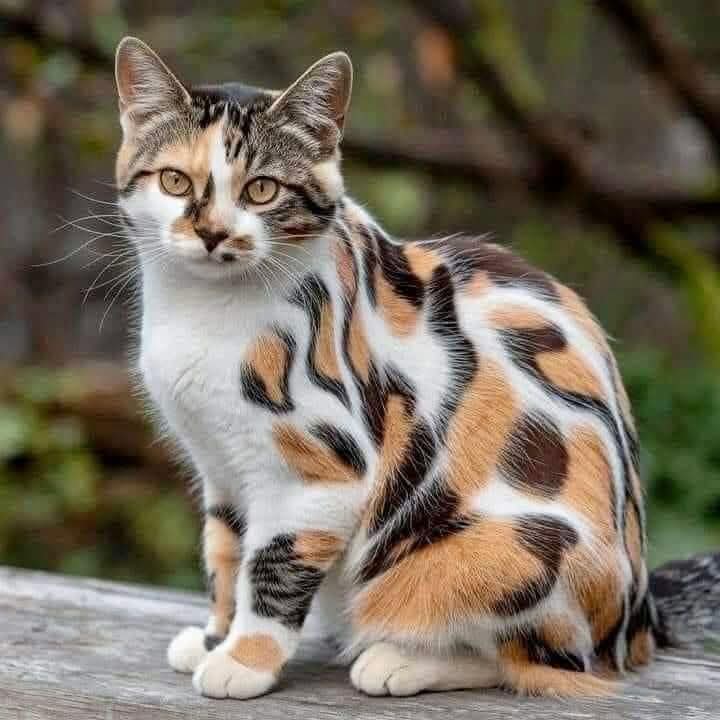
    Diversity of cat coat variations

    The Fascinating Beauty of Unique Cat Coat Patterns 53

    Cats have long been admired for their diverse and striking cat coat patterns, but some felines stand out more than others. The cat in the image above is a perfect example of nature’s artistry, showcasing an extraordinary blend of colors and markings. Whether naturally occurring or enhanced, this mesmerizing pattern raises curiosity about feline genetics, calico cats, and the incredible diversity of cat coat variations.

    The Science Behind Cat Coat Patterns

    A cat’s fur pattern is determined by genetics, influenced by dominant and recessive genes that control color distribution. The three primary coat pattern types include:

    • Solid – A single-color coat with no markings.
    • Tabby – Stripes, swirls, or spots that follow a distinctive genetic pattern.
    • Bicolor or Tricolor – A mix of white and another color (bicolor) or three colors.
    The Fascinating Beauty of Unique Cat Coat Patterns

    What Makes This Cat Special?

    At first glance, the pattern on this cat’s fur appears intentionally designed, with bold black swirls against a background of orange and white fur.

    At first glance, the pattern on this cat’s fur appears intentionally designed, with bold black swirls against a background of orange and white fur.

    Some possible explanations for this striking pattern include:

    • Rare genetic variation – Some cats naturally develop unusual coat patterns due to spontaneous mutations.
    • Hybrid coat characteristics – The cat may have mixed ancestry, resulting in an uncommon blend of calico and tabby markings.

    Calico Cats: Symbols of Luck and Fortune

    In many cultures, calico cats are believed to bring good luck and prosperity. In Japan, for example, the famous Maneki-neko (beckoning cat figurine) is often depicted as a calico, symbolizing good fortune. The United States, calico cats are sometimes called “money cats” because of their rarity and association with luck.

    The Fascinating Beauty of Unique Cat Coat Patterns

    Taking Care of Unique Cats

    Beauty

    If you own a cat with a rare or beautiful coat pattern, here are some essential care tips:

    Keep them indoors – Unique-looking cats may attract attention, making them more vulnerable to theft or harm.
    Proper grooming – Regular brushing keeps their fur clean and healthy.
    Balanced diet – A nutrient-rich diet supports vibrant fur and overall well-being.

    Final Thoughts

    The cat in the image is an extraordinary example of feline beauty and uniqueness. Whether its markings are natural or artistically enhanced, it stands as a testament to the diversity and wonder of cat coat patterns. If you are lucky enough to own a one-of-a-kind feline like this, cherish and protect them—they are truly special!

    Do you have a cat with a unique coat pattern? Share your stories in the comments below!

    The Best Guide To Pet Fur Care

    0
    The Best Guide To Pet Fur Care

    Pets bring joy, companionship, and love into our lives, but they also come with responsibilities, especially when it comes to fur care. Whether you have a fluffy dog, a long-haired cat, or a small pet with a soft coat, proper fur maintenance is essential for their health and well-being. In this guide, we will explore everything you need to know about pet fur, from grooming tips to dealing with shedding and allergies.

    Understanding Pet Fur and Its Importance

    Fur plays a crucial role in a pet’s overall health. It helps regulate body temperature, provides protection against environmental elements, and serves as a barrier against parasites. Different pets have different fur types, including:

    • Short-haired pets: Require minimal grooming but still need regular brushing.
    • Long-haired pets: Need frequent brushing to prevent tangles and matting.
    • Double-coated breeds: Have an undercoat and outer coat, requiring extra care during seasonal shedding.
    • Hypoallergenic breeds: Shed less and produce fewer allergens, making them a good choice for allergy sufferers.

    Essential Grooming Tips for Pet Fur Care

    Proper grooming helps keep your pet’s coat healthy and reduces excessive shedding. Here are some essential grooming tips:

    1. Regular Brushing:
      • Use the right brush for your pet’s fur type (slicker brush for long hair, bristle brush for short hair, etc.).
      • Brush your pet at least 2-3 times a week to remove loose fur and prevent tangles.
    2. Bathing:
      • Bathe your pet only when necessary, as frequent washing can strip natural oils.
      • Use pet-friendly shampoos to maintain a healthy coat.
    3. Trimming and De-matting:
      • Trim excess fur around the paws, ears, and tail to prevent dirt buildup.
      • Use detangling sprays or a de-matting comb for long-haired pets.
    4. Checking for Parasites:
      • Regularly check your pet’s fur for fleas, ticks, and other parasites.
      • Use vet-recommended flea and tick preventatives.

    Managing Shedding in Pets

    Shedding is a natural process, but excessive fur loss can be frustrating. Here’s how to manage shedding effectively:

    • Brush More Often: Brushing daily can reduce loose fur around your home.
    • Healthy Diet: A diet rich in Omega-3 and Omega-6 fatty acids promotes a shiny, healthy coat.
    • Hydration: Ensure your pet has access to fresh water, as dehydration can lead to dry skin and increased shedding.
    • Vacuuming and Cleaning: Regularly vacuum your home and use lint rollers to manage pet hair on furniture and clothing.

    Dealing with Pet Fur Allergies

    Pet fur and dander can trigger allergies in some people. If you or a family member is allergic to pet fur, consider these tips:

    • Choose Hypoallergenic Pets: Breeds like Poodles, Maltese, and Sphynx cats produce fewer allergens.
    • Air Purifiers: Using HEPA filters can help remove pet dander from the air.
    • Frequent Grooming: Regular bathing and brushing reduce loose fur and allergens.
    • Clean Home: Wash pet bedding, vacuum carpets, and wipe down surfaces regularly.

    Fun Facts About Pet Fur

    • The longest recorded cat fur belonged to a Persian cat named Colonel Meow, measuring 9 inches long!
    • Dogs shed based on seasonal changes; they grow a thicker coat in winter and shed it in warmer months.
    • Some pets, like the Devon Rex cat, have curly fur instead of the traditional straight coat.

    Conclusion

    Caring for your pet’s fur is essential for their overall health and your home’s cleanliness. With the right grooming habits, diet, and cleaning techniques, you can keep your furry friend looking and feeling great. Whether you have a short-haired dog, a fluffy cat, or a small pet with a unique coat, proper fur care ensures a happy and healthy pet life.

    This Are The Best Cat Care Guidelines

    0
    This Are The Best Cat Care Guidelines

    Owning a cat is one of life’s most rewarding experiences. These playful companions bring joy, laughter, and love into our homes. However, being a responsible cat owner involves more than just providing food and a cozy bed. To help you navigate the fascinating world of feline care, we’ve compiled The Best Cat Care Guidelines.

    The Best Cat Care Guidelines

    How Can I Keep My Indoor Cat Mentally Stimulated?

    1. Provide a Balanced Diet

    Your cat’s health starts with proper nutrition. A well-balanced diet tailored to your cat’s age, weight, and activity level is essential. Look for:

    • High-quality cat food – Choose brands that list meat as the first ingredient.
    • Age-appropriate meals – Kittens, adults, and senior cats have different dietary needs.
    • Fresh water – Always provide clean water, and consider using a water fountain to encourage hydration.
    This Are The Best Cat Care Guidelines 2025

    Cat Care Guidelines: Benefits of a Balanced Diet

    • Supports healthy growth and development
    • Helps maintain a healthy weight
    • Reduces the risk of chronic diseases

    2. Schedule Regular Vet Check-Ups

    Routine veterinary visits ensure your cat stays healthy. Cats are experts at hiding illness, so annual check-ups help detect potential issues early.

    What to Expect During a Vet Visit

    • Physical examination
    • Necessary vaccinations
    • Dental check-ups

    3. Keep Their Environment Clean

    Cleanliness is vital for your cat’s well-being. Regularly clean their litter box, bedding, and play areas to prevent disease and odors.

    Litter Box Tips: Cat Care Guidelines

    • Use unscented litter to avoid irritating their sensitive noses.
    • Place the litter box in a quiet, accessible area.
    • Provide one litter box per cat, plus one extra.

    4. Offer Enrichment and Playtime

    Cats are intelligent and active animals that need mental and physical stimulation. Ensure your home is enriched with toys, climbing structures, and interactive play sessions.

    • Wand toys – Encourage active play and exercise.
    • Laser pointers – Promote chasing and jumping.
    • Catnip toys – Stimulate natural hunting instincts.

    5. Maintain a Grooming Routine

    Regular grooming helps prevent shedding, matting, and hairballs—especially for long-haired breeds. Establish a grooming routine to keep your cat’s coat healthy.

    Grooming Tips

    • Brush your cat regularly to remove loose fur.
    • Check their ears and teeth for signs of infection.
    • Schedule professional grooming if needed.

    Know more about us HERE:

    6. Spay or Neuter Your Cat

    Spaying or neutering not only helps control the pet population but also reduces certain health risks and behavioral problems.

    7. Create a Safe Home Environment

    Cat-proofing your home is essential to prevent injuries and accidents.

    Safety Tips

    • Secure heavy objects and electronics.
    • Keep toxic plants and chemicals out of reach.
    • Provide a cat tree for safe vertical space.

    8. Encourage Proper Hydration

    Hydration is crucial for your cat’s health, but cats often don’t drink enough water.

    Hydration Tips

    • Use a water fountain to keep water fresh.
    • Incorporate wet food into their diet for added moisture.

    9. Observe Behavioral Changes

    Understanding your cat’s behavior can help you detect health problems or stress early. Watch for changes in eating habits, grooming routines, or litter box usage.

    Common Behavioral Changes and Possible Causes

    BehaviorPossible Causes
    Excessive meowingHunger, stress, or illness
    Withdrawal from playIllness or anxiety
    Changes in litter box habitsUrinary issues or stress

    10. Show Love and Affection

    The most important part of cat care is giving them love and attention. A strong bond with your cat enhances their well-being.

    Ways to Show Affection

    • Gently pet them during quiet moments.
    • Talk to them in a soothing voice.
    • Spend quality time cuddling or letting them sit on your lap.

    Conclusion

    Caring for a cat is a commitment that brings immense joy and companionship. By following these 10 essential tips, you can ensure your feline friend leads a happy, healthy, and fulfilling life. Remember, a well-cared-for cat is a happy cat, and your dedication to their well-being will strengthen the bond you share.

    The Best Cat Grooming Pointers: Care To Your Pussycat Health

    0
    The Best Cat Grooming Pointers: Care To Your Pussycat Health

    As a loving cat proprietor,‍ ensuring your⁤ feline‌ friend stays healthy⁣ and ⁢happy is⁣ a ⁢high precedence. One key narrate of feline care in overall lost sight of is grooming. Traditional grooming⁣ no longer handiest enhances your cat’s look nonetheless ‌furthermore plays an considerable role of⁢ their⁤ overall effectively being. The Best Cat Grooming Pointers. On ⁤this ​text, we’ll delve into vital cat grooming ‍solutions, intellectual⁤ solutions, and the benefits of preserving your kitty effectively-groomed.

    The Best Cat Grooming Pointers

    Grooming is more ⁣than appropriate preserving your cat looking out wonderful; it supplies reasonably about a advantages, including:

    Why Grooming is Very vital for Your Cat

    • Smartly‍ being Monitoring: Traditional grooming helps title pores ‌and‌ skin concerns, lumps, or parasites early‍ on.
    • Reducing Shedding: Frequent brushing controls loose fur and minimizes the amount of ‍hair to your⁤ apartment.
    • Preventing Mats: Grooming prevents tangles and mats, seriously in lengthy-haired breeds, that could well also result in pores and skin elements.
    • Bonding⁣ Time: Grooming sessions can make stronger the‍ bond between you and your cat, making them feel loved and stable.
    The Best Cat Grooming Pointers: Care To Your Pussycat Health

    Very vital Cat Grooming Pointers

    Instruments

    Sooner than diving ‍into grooming solutions, having the actual tools at ‌your disposal is vital. Right here’s a⁣ list ‌of have to-have grooming supplies:

    InstrumentMotive
    BrushEliminates loose ⁢fur⁢ and reduces shedding.
    CombUntangles mats and smooths fur.
    Nail ClippersKeeps nails trimmed to live damage.
    Cat ShampooMaintains coat cleanliness (for infrequent baths).
    Ear CleanerMaintains ear hygiene and prevents infections.
    Toothbrush ⁢& Cat ToothpastePromotes dental effectively being and freshens breath.

    Grooming Ways for Your Pussycat Buddy

    1.​ Brushing

    Brushing is vital for preserving your cat’s coat healthy. Right here is assemble it effective:

    • Frequency: Brush at the least as soon as a week, or more in overall in case your cat has lengthy hair.
    • Methodology: Narrate a⁣ tender sweeping motion, following the route of hair boom.
    • Be Soft: Listen in to your cat’s physique language to be distinct they’re⁤ happy.

    2. Bathing

    While cats are in overall self-groomers, there are times when a bathtub is severe:

    • Resolve the Beautiful Shampoo: Narrate a cat-enlighten hypoallergenic‌ shampoo.
    • Put‍ collectively the Region: Narrate a ⁣tiny‌ bathtub or sink with warm water; have towels and‌ a non-shuffle mat ready.
    • Aloof Your ⁣Cat: Articulate gently and let them seek the water ​sooner than ⁢starting up.

    3.⁤ Nail Trimming

    Nail care is vital for both⁣ your cat’s security and your furniture.‌ Note these solutions for effective trimming:

    • Launch Early: Introduce nail cropping to your cat when they’re young to abet them accumulate worn to the strategy.
    • Narrate the Beautiful Clippers: Opt for clippers particularly designed ‌for cats.
    • Comely Fastidiously: Keep away from reducing the hasty (the red part), as it can motive⁢ effort and bleeding.

    4. Ear and Converse⁣ Care

    Healthy ears and eyes make a contribution greatly to your cat’s overall wellness:

    • Verify On a ⁣standard basis: Glimpse debris or wax buildup in ears and ​distinct it carefully with a vet-authorized cleaner.
    • Wipe Eyes: Narrate a damp material to ‍eliminate⁤ any⁢ discharge out ‍of your cat’s eyes.

    Helpful Cat Grooming Pointers for‍ Stress-Free

    Grooming ⁣can even be anxious for some ‌cats. Listed below are solutions to be ⁣distinct a beautiful expertise:

    • Waste a Aloof Ambiance: Groom in a level-headed apartment with minimal distractions.
      • Narrate Treats: Reward your cat with treats for the length of and ​after grooming to ⁢attain certain associations.
      • Brief Sessions: Care for grooming sessions transient whereas your cat adjusts to the routine.

    Case Discover about: First-Hand Trip ​with Grooming

    As an avid cat lover, I adopted a lengthy-haired Maine Coon named Bella. Originally, ‍she despised grooming sessions. To ease her⁢ nerves, I presented her to ​a comfortable brush and‌ allowed her to smell it. Against our sessions, I⁢ spoke softly and supplied her ⁤treats. It took time, nonetheless now Bella no longer handiest tolerates grooming nonetheless⁢ even purrs ⁤for ​the length of our bonding sessions. ⁢Trip taught me patience⁣ and consistency are key!

    Celebrated Grooming Errors to​ Keep away⁢ from

    To ​be distinct ⁢effective grooming sessions, be distinct that to handbook clear of these overall errors:

    • Skipping Grooming: Keep away from uncommon grooming, that could well also result in ⁣mats and effectively being elements.
      • Grooming Too Roughly: Continuously be tender; rough grooming can assemble⁣ your ⁢cat anxious and resistant.
      • Ignoring⁤ Your⁣ Cat’s Preferences: ⁤Listen in to your cat’s physique language and appreciate their consolation stage.

    Conclusion

    grooming is ‌an‌ considerable part of cat care that could well greatly make ​a contribution to your feline friend’s⁤ effectively being and happiness.‍ By the use of the actual tools, applying effective grooming solutions, and ensuring a stress-free ‌atmosphere, you⁤ would possibly even make stronger your cat’s effectively-being whereas playing quality bonding time. Take be⁣ conscious of, a effectively-groomed cat is no longer handiest happier nonetheless furthermore ‌healthier. So dangle your grooming tools, and assemble it a standard part of your cat’s care routine!

    By following these vital⁢ cat grooming solutions, you’ll no longer handiest retain your‍ furry ⁤friend looking out their⁤ simplest, nonetheless you’ll‌ furthermore‌ foster ​a⁣ loving and trusting relationship that can‍ final a lifetime!

    10 Simplest Cat Meals: Nourish Your Cat with Quality Food

    0
    top 10 simplest cat meals of 2023 nourish your tom cat with quality weight reduction program.jpg

    As a⁢ pet proprietor, our furry pals’ effectively being and ​effectively-being are ⁤consistently our top precedence. Deciding on the⁤ ideal cat food ​is critical for guaranteeing your feline receives the⁢ important vitamins ​to⁤ thrive.‍ In⁣ 2023, there are many alternate choices available, every promising quality‍ and esteem your cat.‌ On ⁢this article, we’ll​ uncover the pinnacle 10 handiest cat meals ‍of 2023, highlighting their benefits, substances,‍ and why they stand out⁤ within the ​crowded pet ‌grocery store. ⁤Let’s dive ⁣in!

    Top 10 Simplest Cat Meals: Nourish Your ‌cat

    Why Deciding⁤ on the Perfect-looking Cat Meals⁣ Matters

    Picking the factual cat food can considerably affect‌ your ‍cat’s effectively⁤ being, vitality, and longevity. Cats are⁣ obligate carnivores, which manner ​they⁤ require a diet primarily made up⁢ of meat. Quality cat food must​ soundless possess:

    Top 10 ⁤Simplest Cat Meals of 2023

    1.⁣ Royal Canin Tom cat Properly being Weight‍ reduction ⁢program

    Royal Canin gives breed-drawl⁤ formula designed to meet the extraordinary effectively being wants of ⁣diverse⁤ cat ​breeds.

    2. Hill’s ​Science ⁣Weight ⁤reduction program Grownup Sensitive Stomach‌ & Skin

    Glorious for cats with sensitive digestive methods, ‌this⁤ formula gives balanced⁢ vitamin with with out complications digestible‍ substances.

    cat food

    3. Blue Buffalo Desolate tract Excessive Protein Grain-Free

    This grain-free chance is packed with proper meat,‌ making it a solid ‍contender for excessive-protein diets.

    4. Purina Pro ‍Realizing Focus Grownup

    Tailored for ⁣indoor and exterior cats alike, this food gives optimum protein to give a raise ‌to a⁢ healthy physique condition.

    5. ‌Nutro Ultra Grain-Free

    This mix of excessive-quality proteins and healthful substances makes it ultimate for every cat’s diet.

    6. ⁤Iams ProActive Properly being⁣ Grownup Indoor⁣ Weight & Hairball ⁢Care

    Ideal for those ​indoor cats, this formula helps⁣ lend a hand healthy weight and‌ lower hairballs.

    7. ‌Wellness CORE Grain-Free Indoor Formula

    Excessive in ‌protein and designed to⁣ give a raise ⁣to weight⁤ management, this food ensures a balanced diet with⁢ out pointless fillers.

    8. Merrick Purrfect Bistro‌ Grain-Free ‌Salmon⁤ Recipe

    This salmon-rich⁢ diet gives omega⁤ fatty acids, promoting a healthy coat and skin.

    9. Model ‍of ⁣the ⁢Wild Canyon River Dry Cat Food

    This food⁤ aspects proper trout and smoked salmon, making ​it a tall protein source whereas‍ being grain-free.

    10. NUTRO Grain-Free Cat Meals!

    A grain-free ⁣chance ‌made with ⁤assorted ‍protein sources, serving​ to pets⁤ strive against hypersensitive reactions whereas asserting titillating ⁢vitamin.

    Comparative Desk of the Simplest Cat Meals of 2023

    MarkPredominant IngredientFormula FormSpecial⁣ Features
    Royal CaninRooster MealDriedBreed-drawl, specifically formulated
    Hill’sRoosterDriedSensitive belly
    Blue BuffaloRoosterDriedGrain-free, excessive ⁣protein
    Purina‍ Pro‌ RealizingRoosterDriedOptimal​ protein⁤ for ​physique condition
    NutroRoosterDriedEntire substances, grain-free
    IamsRoosterDriedWeight⁢ management,⁤ hairball management
    WellnessRoosterDriedExcessive protein for‌ indoor cats
    MerrickSalmonMoistBalanced omega fatty acids
    Model of the⁤ WildTroutDriedGrain-free, recent​ protein source
    NUTRORoosterDriedProtein-rich, grain-free

    Benefits of Excessive-Quality

    Feeding your cat a ⁢excessive-quality diet comes with ⁢gargantuan benefits:

      • Improved Coat Condition: Healthy fat and proteins ⁤can lead‍ to ⁢a shinier,​ fuller‍ coat.
      • Better Digestion: Quality ​substances ⁤are more easy ‍to your ⁣cat’s digestive ⁣machine, main to fewer belly concerns.
      • Weight Management: ⁣ Quality meals ⁣help lend a hand a healthy weight,‍ cutting back the ‌danger of ‌weight problems-linked concerns.
      • Elevated⁤ Energy Levels: Honest⁤ vitamin supports ⁢increased ⁤vitality ranges​ and a ⁢extra ⁣packed ⁢with life⁣ plan⁢ of life.

    Functional Guidelines for Deciding ​on⁣ the Perfect-looking Cat Meals

    Deciding on ‍the ‌ideal cat ⁢food will⁤ seemingly be ⁣overwhelming, so listed ⁢below are⁢ some helpful tricks:

    1. Read Labels: ‌Persistently take a look at the ingredient ⁤list and be particular that⁤ meat is the⁤ predominant ingredient.
      1. Consult Your ‌Vet: ⁢ Discuss any dietary wants drawl to your cat’s age, effectively ​being dwelling, or breed.
      2. Do in ideas ‌Their Preferences: Cats will seemingly‍ be picky eaters, ‍so are ⁢attempting assorted alternate ​choices to ⁤search out what they salvage pleasure from most.
      3. Peek for ⁢Recalls: Conclude knowledgeable​ about any ⁤product recalls​ or safety ‌concerns.

    Case Experiences: Tom cat Properly⁣ being Success ​Tales

    Many pet homeowners obtain ⁤reported outstanding improvements⁢ in their cats’‍ effectively being after switching to top-quality meals. Shall we ​embrace:

      • A 5-yr-former tabby showed ⁣predominant weight ​reduction and increased ⁣vitality ranges after transitioning ⁤to a excessive-protein, ‍grain-free diet.
      • An aged cat with a sensitive belly thrived on a formula designed specifically for digestive effectively being, cutting‌ back vomiting episodes.

    Conclusion

    Providing the ideal cat‍ food is critical on your⁣ feline’s effectively⁣ being and happiness. The discontinuance 10 cat⁢ meals ⁣of 2023 listed here supply a ⁤diversity ‌of alternate choices⁢ to meet your cat’s drawl⁤ dietary wants. Do in ideas your pet’s⁤ recent necessities, and don’t hesitate to search out assorted manufacturers and formulations. The ​factual food can produce an world of difference, ​guaranteeing your furry partner lives​ an extended,⁢ fitter life. Device ⁢the ideal different this‍ day and nourish your feline with quality vitamin!

    Recent Posts