

100 Questions That Will Be Asked The Most In 2025

By analyzing over 25 billion keywords, we compile a weekly list of the most frequently searched questions on Google. Below is the complete list, along with key insights and interesting statistics about each query. 100 Questions That Will Be Asked The Most In 2025

Last updated: January 2, 2024
Comprehensive List: the Most Frequently Searched Questions on Google in 2024
| Rank | Question | Search Volume (past 30 days) |
| 1 | what time is it | 3,453,239 |
| 2 | what is today | 2,098,473 |
| 3 | when does school start | 500,932 |
| 4 | what day is it | 485,141 |
| 5 | where am i | 469,454 |
| 6 | what is my ip | 439,376 |
| 7 | what is ai | 418,016 |
| 8 | how to tie a tie | 289,888 |
| 9 | what year is it | 277,744 |
| 10 | how to delete instagram account | 146,458 |
| 11 | what is the weather today | 140,797 |
| 12 | how to deactivate facebook | 138,221 |
| 13 | how to screenshot on windows | 134,591 |
| 14 | how to delete facebook account | 134,276 |
| 15 | how to screenshot on mac | 134,209 |
| 16 | what time is sunset | 126,790 |
| 17 | what song is this | 125,985 |
| 18 | why does my stomach hurt | 110,931 |
| 19 | what is temu | 99,902 |
| 20 | what day is it today | 91,313 |
| 21 | how long to boil eggs | 76,534 |
| 22 | who died today | 60,739 |
| 23 | where am i right now | 58,953 |
| 24 | when is the next full moon | 57,549 |
| 25 | what is lupus | 52,062 |
| 26 | how old is taylor swift | 51,169 |
| 27 | why am i so tired | 51,041 |
| 28 | how long to boil corn on the cob | 47,979 |
| 29 | what happens when you die | 47,979 |
| 30 | what holiday is today | 47,851 |
| 31 | what time does walmart close | 46,192 |
| 32 | why is my poop green | 44,534 |
| 33 | when is the next mega millions drawing | 39,042 |
| 34 | what causes diarrhea | 38,113 |
| 35 | when does summer start | 36,516 |
| 36 | what causes high blood pressure | 35,211 |
| 37 | what does sos mean | 34,858 |
| 38 | what does woke mean | 33,680 |
| 39 | what does 444 mean | 33,550 |
| 40 | when did covid start | 31,063 |
| 41 | what national day is it today | 30,967 |
| 42 | where is xur | 30,672 |
| 43 | when was ww2 | 30,367 |
| 44 | why is the sky blue | 24,913 |
| 45 | what county am i in | 23,642 |
| 46 | where is bali | 23,518 |
| 47 | why can’t i sleep | 23,394 |
| 48 | when is father’s day | 22,971 |
| 49 | what causes low blood pressure | 22,847 |
| 50 | how long do cats live | 22,582 |

Glimpse lets you see the most-searched questions in any area.
| Rank | Question | Search Volume (past 30 days) |
| 51 | what movies are playing | 22,300 |
| 52 | what does 333 mean | 20,322 |
| 53 | what causes hiccups | 20,181 |
| 54 | what causes kidney stones | 19,846 |
| 55 | who called me from this phone number | 19,775 |
| 56 | when to take a pregnancy test | 19,528 |
| 57 | when was the civil war | 19,281 |
| 58 | why do i sweat so much | 18,769 |
| 59 | why is my eye twitching | 18,468 |
| 60 | when was world war 2 | 17,674 |
| 61 | what generation am i | 17,586 |
| 62 | where is washington dc | 17,429 |
| 63 | what does gyatt mean | 17,409 |
| 64 | what does rizz mean | 17,186 |
| 65 | how deep is the ocean | 16,808 |
| 66 | when do babies start crawling | 16,595 |
| 67 | where is your liver | 16,587 |
| 68 | what week of the year is it | 16,521 |
| 69 | why am i always tired | 16,498 |
| 70 | how hot is the sun | 16,228 |
| 71 | when do babies start teething | 16,007 |
| 72 | what side is your appendix on | 16,007 |
| 73 | how old is joe biden | 15,915 |
| 74 | what font is this | 15,794 |
| 75 | what are electrolytes | 15,007 |
| 76 | when is mothers day | 14,923 |
| 77 | what was the cold war | 14,820 |
| 78 | where is your appendix | 14,357 |
| 79 | when did slavery end | 14,283 |
| 80 | why do dogs eat grass | 14,059 |
| 81 | when did the titanic sink | 13,982 |
| 82 | when is memorial day | 13,472 |
| 83 | how big is an acre | 13,448 |
| 84 | what causes gout | 13,393 |
| 85 | why do dogs lick you | 13,197 |
| 86 | what movie should i watch | 12,920 |
| 87 | what holiday is tomorrow | 12,619 |
| 88 | what are hemorrhoids | 12,472 |
| 89 | how did michael jackson die | 12,418 |
| 90 | how old is tom cruise | 12,391 |
| 91 | where is the grand canyon | 11,380 |
| 92 | where are your kidneys | 11,353 |
| 93 | when is the next powerball drawing | 11,320 |
| 94 | when did michael jackson die | 11,219 |
| 95 | what state is washington dc in | 11,210 |
| 96 | who won the powerball | 11,194 |
| 97 | how fast does hair grow | 10,986 |
| 98 | what colors make brown | 10,896 |
| 99 | where can i watch yellowstone | 10,789 |
| 100 | why do cats purr | 10,744 |
Glimpse allows you to compare the search frequency of any two questions side by side.
Most-Googled Questions by Type
- “How long to boil eggs?” is the food question that people search for on Google the most.
- “What holiday is today?” is the question people Google most often.
- “What is my IP?” is the tech question people search for the most.
- People most often search Google for “When was World War II?”
- A lot of people search Google for “why does my stomach hurt?”
- “How old is Taylor Swift?” is the famous question people search for the most.
- “Why is the sky blue?” is the science question that people search for the most.
Interesting Numbers
1. The question people ask Google the most is “What time is it?”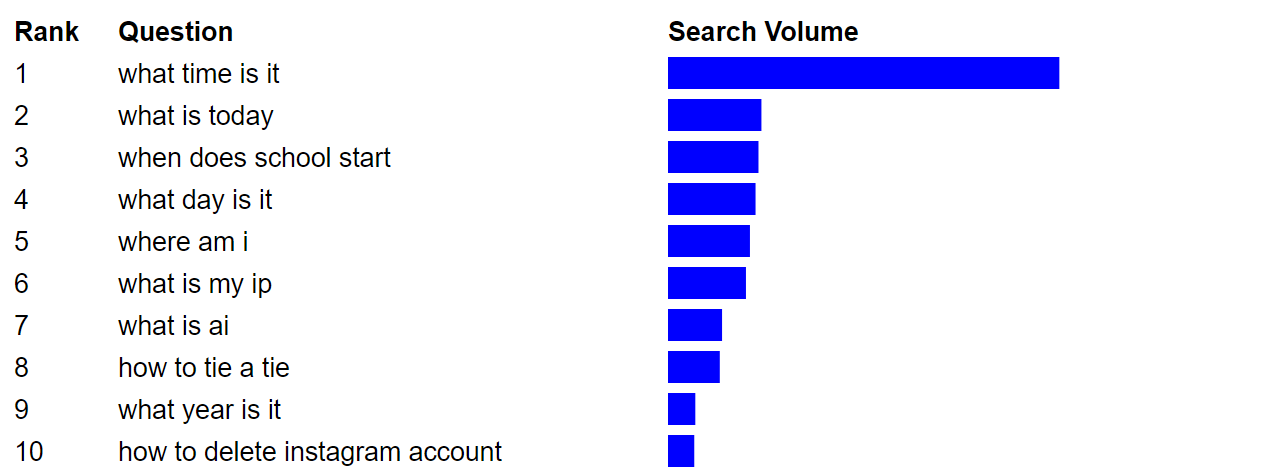
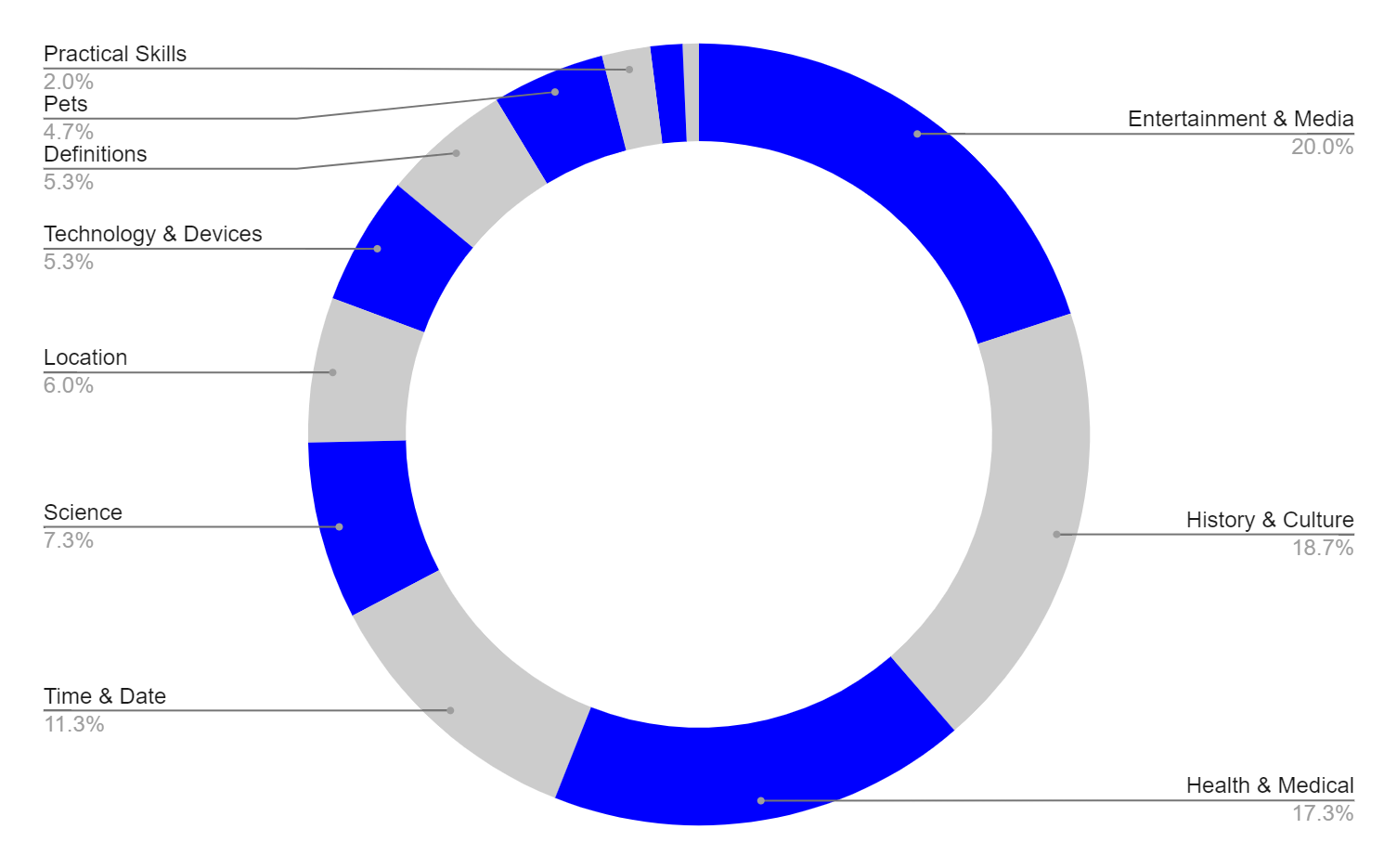
2. Entertainment and culture are what people search for the most.
- 20% have to do with media and entertainment
- 19% are about culture and history
- 17% are questions about health and medicine
- ~11% are questions about times and dates
- About 5% of the questions are about meanings
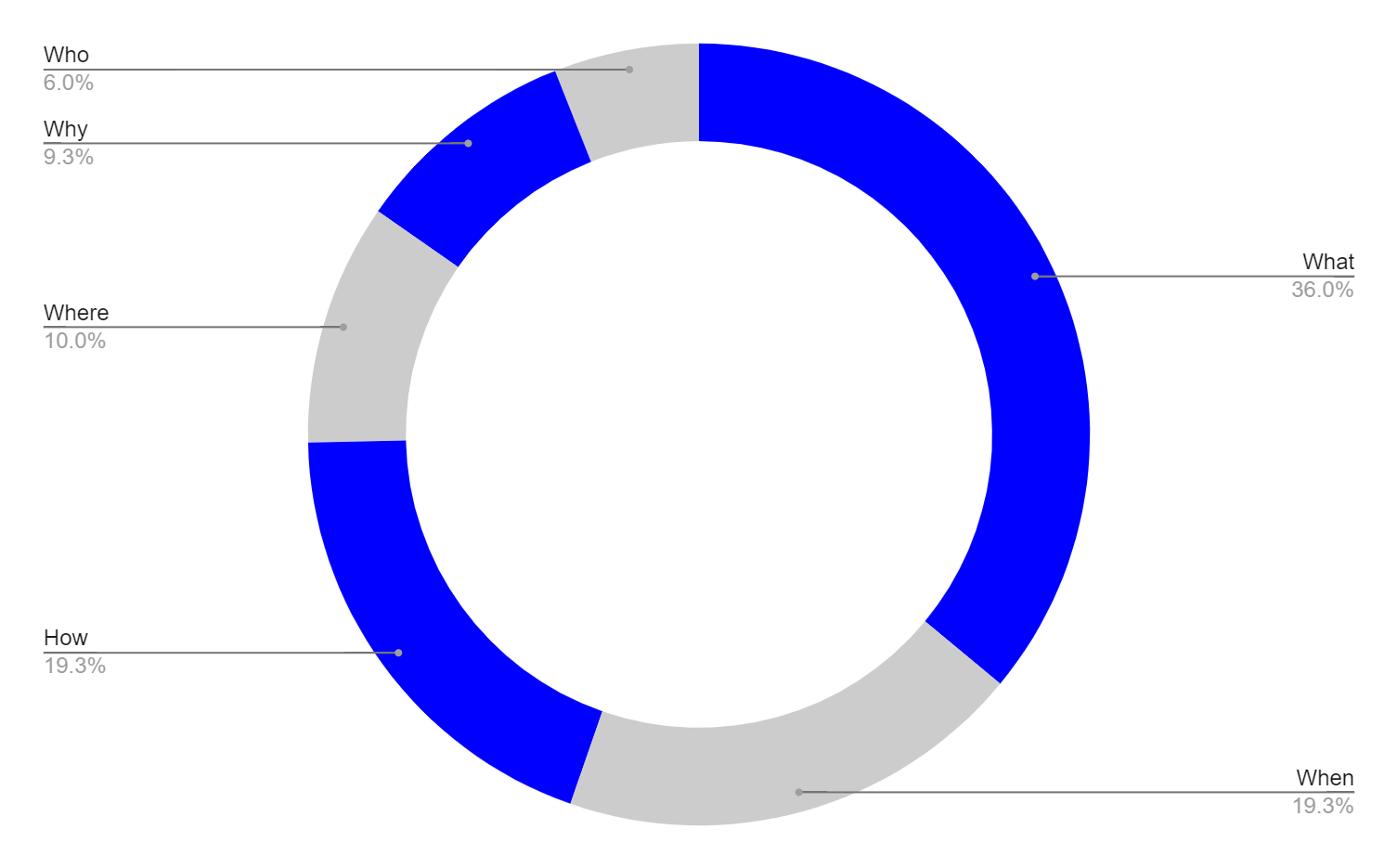
3. In question search queries, “what” is the most popular first word.
- 36% of them are “what” questions
- About 19% are “when” questions and about 19% are “how” questions.
- Only 6% of the questions are “who” questions, while 10% are “where” questions.
The methodology
Using a rigorous data analysis process, we compiled a comprehensive list of the most searched questions on Google.
Identification of Questions: To identify user-submitted questions, we analyzed and segmented our extensive database of over 25 billion terms.
Relevance Filtering: We excluded questions that had not generated considerable search interest in the previous month by utilizing advanced heuristics. This allowed us to narrow down the list to about 10,000-20,000 inquiries.
We then proceeded to do an analysis of the search volume for each of the remaining questions by utilizing our reliable search volume tool, Glimpse. Glimpse is a powerful Chrome extension. It is designed to elevate the capabilities of Google Trends. It provides deeper insights, advanced keyword tracking, and real-time data visualization. Glimpse is a Chrome extension that expands Google Trends with advanced insights, real-time keyword tracking, and detailed data visualization. Top organizations like The New York Times and IKEA use it to spot emerging trends, understand audience behavior, and make smarter marketing decisions.
After that, we ranked the questions based on total search volume to identify the most frequently asked ones throughout the year. We concentrated on the questions that reached the biggest peak in search volume for any given month within that year when we were computing the most searched questions for that particular year. This is an important point to keep in mind before proceeding.ar.
Is Pet Insurance Worth It? Exploring the Benefits and Drawbacks

Is pet insurance worth it? This question has become increasingly popular as pet ownership continues to rise, and medical expenses for pets can become overwhelming. With more pet owners facing expensive veterinary bills for their furry friends. Many are considering whether investing in pet insurance is a wise financial decision. This article will explore the advantages and disadvantages of pet insurance. Helping you determine if it’s a valuable investment for you and your pet.
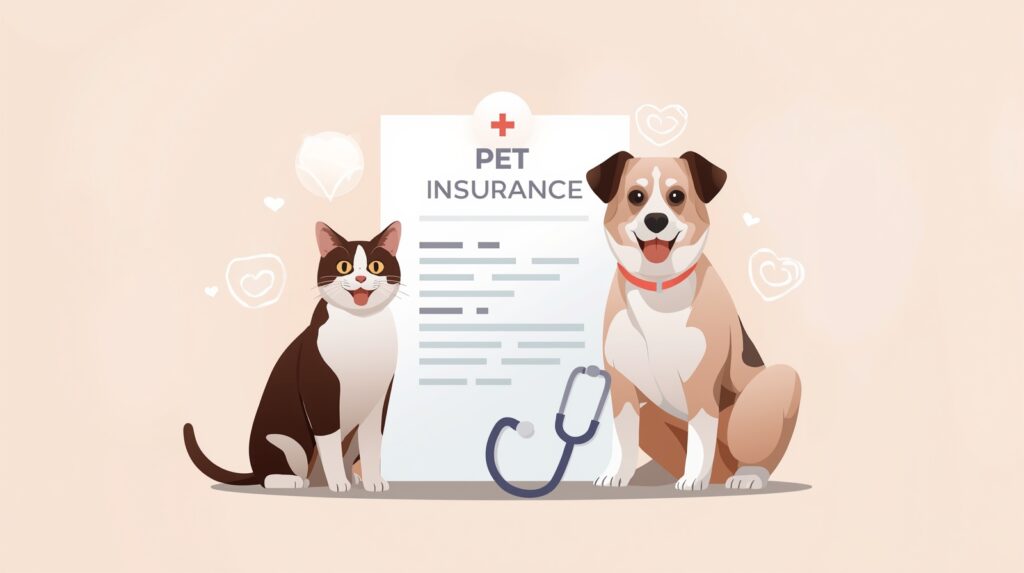
What Is Pet Insurance?
Is pet insurance worth it? Pet insurance is designed to cover veterinary expenses for your pet in the event of illness, accidents, or other health-related issues. Like human health insurance, pet insurance typically comes with monthly premiums, a deductible, and coverage limits. There are different types of pet insurance policies, including:
- Accident-Only Coverage: This type of insurance covers the costs of accidental injuries, such as broken bones or burns.
- Accident and Illness Coverage. A more comprehensive option that covers both accidents and various illnesses, including chronic conditions like diabetes or cancer.
- Comprehensive Coverage: This plan covers accidents, illnesses, and often includes additional benefits such as wellness care, vaccinations, and preventive treatments.
Now that we understand what pet insurance is, let’s delve into the pros and cons of having a policy for your pet.

The Benefits
There are several key advantages to having pet insurance, especially for pet owners who are concerned about the cost of unexpected veterinary care. Below are some of the most compelling reasons why pet insurance can be a worthwhile investment.
1. Financial Protection Against High Veterinary Costs
Veterinary treatments, particularly for emergencies or chronic illnesses, can be expensive. Without insurance, owners may face large out-of-pocket costs, which can strain their finances. Pet insurance helps mitigate this risk by covering a significant portion of the veterinary bills, depending on the policy.
For instance, a visit to the emergency vet for a life-threatening condition could easily cost several thousand dollars. Pet insurance can reduce the financial burden, making it easier to afford necessary treatments without draining your savings.
2. Access to a Wide Range of Treatments
Pet insurance can give pet owners access to a wide array of treatments, including surgeries, medications, and diagnostic tests that might otherwise be financially out of reach. Policies that cover both accidents and illnesses ensure that your pet can receive the best possible care without worrying about how to pay for it.
For instance, if your pet develops cancer. A comprehensive pet insurance policy could help cover the costs of chemotherapy or surgery. Which would typically cost thousands of dollars without insurance.
3. Peace of Mind
Is pet insurance worth it: One of the greatest benefits of pet insurance is peace of mind. Knowing that you have a safety net to cover your pet’s medical expenses can reduce the stress of having to make difficult decisions regarding their care. Pet owners who do not have insurance may have to decide whether they can afford treatment or need to euthanize their pet due to financial constraints. Pet insurance eliminates this worry, ensuring that your pet’s health is prioritized over financial concerns.
4. Coverage for a Variety of Conditions
Pet insurance policies vary in terms of what they cover, but many plans cover a wide range of illnesses and accidents. Some policies even offer specialized coverage for conditions like hereditary diseases or breed-specific conditions. For example, if you have a dog breed that is predisposed to hip dysplasia. Pet insurance can help offset the cost of treatment if the condition arises.
Additionally, some insurers offer optional add-ons for preventive care, including vaccinations, flea and tick treatments, and annual health check-ups.
5. Flexible Coverage Options
Pet insurance providers offer a variety of plans with different levels of coverage. Allowing you to select a policy that fits your budget and the needs of your pet. You can usually choose your deductible, reimbursement percentage, and coverage limits. This flexibility ensures that you can find an insurance policy that matches both your financial situation and your pet’s health requirements.
The Drawbacks of Pet Insurance
While pet insurance offers numerous benefits, there are some potential drawbacks that you should consider before purchasing a policy. Understanding these limitations can help you make an informed decision.
1. Monthly Premiums and Deductibles
One of the main concerns for pet owners is the cost of monthly premiums. Depending on the level of coverage, the breed of your pet, and their age, premiums can range from $20 to $100 per month. This may seem like a manageable expense. But when added to other pet-related costs (food, grooming, etc.), it could become a financial burden.
Additionally, pet insurance typically requires you to pay a deductible before the coverage kicks in. And there may be limits on how much the insurer will pay per year or per condition. These out-of-pocket costs can add up quickly, especially for ongoing treatments.
2. Exclusions and Limitations
Although Is pet insurance worth it: The insurance covers a wide range of conditions, there are some exclusions and limitations. Pre-existing conditions, for example, are generally not covered. If your pet has a medical condition prior to getting insurance. The insurer will likely not pay for treatments related to that condition.
Moreover, some policies have limits on how much they will cover per condition. Which means you could still be left with a significant portion of the bill. Be sure to read the terms and conditions of the policy carefully to understand what is covered and what isn’t.
3. Not All Treatments Are Covered
While pet insurance covers many treatments, it does not cover everything. Most policies exclude elective procedures such as cosmetic surgeries (like tail docking or ear cropping). And may have limitations on alternative treatments like acupuncture or holistic care. Make sure to check the list of covered treatments before purchasing insurance to ensure that it meets your pet’s specific needs.
4. Waiting Periods
Many pet insurance policies have waiting periods before coverage kicks in. For example, some policies may require a waiting period of up to 14 days before they cover illness-related claims, and longer periods for specific conditions. This means that if your pet develops an illness shortly after you purchase insurance. You may have to wait a few weeks before being eligible for reimbursement.
5. Age Limits for Coverage
Some pet insurance providers may have age limits for coverage, meaning that older pets may be excluded from certain policies or may have higher premiums. Pets that are considered “senior” animals (typically over the age of 7) may face restrictions or more expensive premiums, making insurance less affordable for owners of older pets.
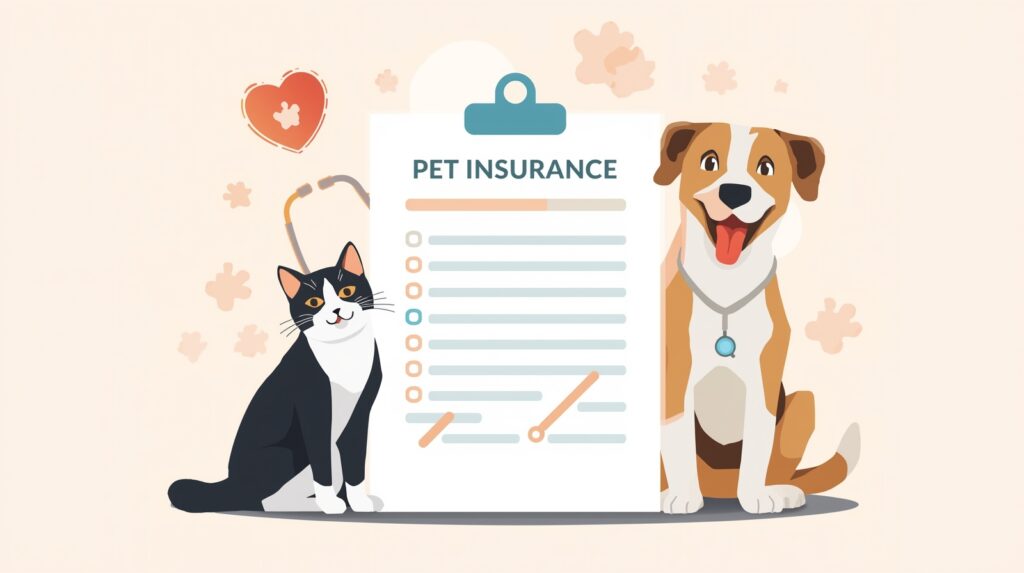
Is it Worth It for You?
The decision of whether pet insurance is worth it ultimately depends on your individual circumstances. Here are a few factors to consider when deciding whether pet insurance is right for you:
- Your Pet’s Health: If your pet is generally healthy, you may not see as much benefit from insurance in the short term. However, if your pet is prone to illness or if they are a breed with a higher risk of certain conditions, insurance could save you money in the long run.
- Your Financial Situation: If you can comfortably afford the premiums and potential out-of-pocket costs, pet insurance can provide peace of mind. However, if the cost of premiums is too high for your budget, it may not be the best option for you.
- Your Willingness to Pay for Treatment: If you are willing to pay for your pet’s medical expenses out-of-pocket and are confident that you can cover unexpected veterinary costs, you may not need insurance. However, if the thought of a large veterinary bill is overwhelming, insurance can help manage the financial burden.
Conclusion: Weighing the Pros and Cons of Pet Insurance
In conclusion about is pet insurance worth it, pet insurance can be a valuable tool for managing the cost of veterinary care and ensuring that your pet receives the best possible treatment without financial constraints. However, it’s not without its drawbacks, including premiums, exclusions, and limitations. Carefully assess your pet’s health, your budget, and your preferences before deciding if pet insurance is worth it for you.
If you decide that pet insurance is right for you, make sure to shop around and compare different plans to find the best coverage for your pet’s needs.
Are Immigrants Eating Pets? The Truth Behind The Misconception
The question, “Are immigrants eating pets?” has circulated in various forms across media platforms, often sparking curiosity and concern. This topic involves significant cultural sensitivities and misunderstandings. And it’s important to address it with factual insights to differentiate between myths and reality. In this article, we will delve into the origin of this question. The cultural aspects surrounding food consumption, and how to properly navigate the information being shared.
The Origin of the “Immigrants Eating Pets” Question
The question “Are immigrants eating pets?” often emerges as a sensationalized headline or anecdotal story designed to stir emotions and provoke controversy. This question typically arises from specific cultural practices where animals, such as dogs, are considered edible in certain countries, often in East Asia. But it has been misrepresented when applied to immigrants in general. The spread of this narrative can be traced to a mixture of xenophobia, misinformation, and cultural misunderstandings. Especially when individuals from different parts of the world move to countries where pets are viewed differently.
Understanding Cultural Differences Around Pet Consumption
Globally, food customs vary greatly, and what is considered a delicacy or acceptable food in one culture might be viewed as taboo in another. In some countries, especially parts of Asia, eating certain animals—such as dogs and cats—has historical roots. Where these meats were considered traditional in specific regions. However, these practices are not universally accepted within those countries, and they have been subject to criticism and evolving legal regulations.
- Historical Context: In some cultures, dog meat has been consumed as part of historical dietary practices. However, over the years, the consumption of dog meat has declined in many countries due to growing concerns about animal rights, pet ownership, and shifting social attitudes.
- Modern Shifts: In the modern world, many of the countries where dog meat once had a place in the diet are moving toward banning the practice, influenced by global pressures regarding animal welfare. Countries such as South Korea and China have made significant strides in limiting or outlawing the consumption of dog meat.
Despite this, cultural differences persist, and practices in the past may still inform misconceptions about immigrants. Particularly those arriving from areas where the consumption of certain animals might have been a norm. The question, “Are immigrants eating pets?” arises from the conflation of cultural practices. And the broad generalization of individuals, which often leads to stereotypes.
Stereotypes and the Role of Media in Perpetuating Misinformation
In today’s world, media plays a significant role in shaping perceptions and fueling misconceptions. Social media, in particular, can amplify rumors and create moral panic over topics like the consumption of pets. Articles or videos with exaggerated claims may garner views, but these sensational headlines often lack context and fail to provide a full, nuanced understanding of the cultural dynamics involved.
A few reasons why this topic has gained attention in the media include:
- Xenophobia and Fear of the “Other”: Immigrants often face prejudice based on their cultural practices, which may differ significantly from those of the host country. The “eating pets” myth serves to cast doubt on the values of immigrant communities, creating divisions based on unfounded fears.
- Cultural Shock and Misunderstanding: When people are exposed to different ways of living, including food choices, it can lead to shock or disgust. This feeling can quickly turn into judgment. Where certain cultural practices are misinterpreted as harmful or inappropriate without a deeper understanding of context.
- Viral Content: Misleading content, like videos or stories about immigrants eating pets. Can quickly go viral because of its shocking nature. These stories rarely come with accurate background information and often present an oversimplified view of complex cultural traditions.
The Reality: Are Immigrants Eating Pets?
In reality, the vast majority of immigrants, like native populations, do not consume pets. Just as the general population in many parts of the world does not eat cats or dogs. Most immigrants follow similar dietary practices that adhere to ethical standards of pet ownership. Pets, especially cats and dogs, are largely considered family members in many cultures, and their consumption is rare, if not entirely taboo, in most modern societies.
Cultural Shift Toward Animal Rights
In recent decades, global awareness about animal rights has grown, and so has the responsibility of pet ownership. Across the world, including among immigrant communities. Pets are increasingly seen as companions and family members, rather than sources of food.
- Pet Ownership as a Global Norm: In the global context, pet ownership is seen as a sign of affection, and the emotional bond between humans and animals is celebrated. With widespread awareness of pet care, there has been an increasing shift in the way people treat and regard animals, especially as pets.
- Global Bans and Restrictions: Many countries have passed laws that prohibit the consumption of dogs and cats. For example, in the United States and the European Union, there are strict regulations about animal welfare and the treatment of pets, making it highly unlikely that immigrants would adopt practices contrary to those legal standards.
What Drives These Misunderstandings of, are immigrants eating pets?
The misconceptions about immigrants eating pets stem from a few key factors:
- Lack of Cultural Understanding: People who are unfamiliar with the cultural practices of immigrants may rely on stereotypes or hearsay, rather than facts. Cultural practices vary widely across the world, and understanding these differences can lead to more informed, less judgmental attitudes.
- Overgeneralization: The actions of a small minority are often used to paint an entire group with a broad brush. A few instances of controversial practices—usually isolated or outdated—are generalized to an entire population of people.
- Sensationalism: The media’s tendency to sensationalize shocking or unusual practices contributes significantly to these myths. When stories about specific cultural practices gain attention, it can lead to a larger narrative that is not necessarily grounded in the everyday experiences of most immigrants.
The Importance of Cultural Sensitivity and Awareness
To navigate questions like “Are immigrants eating pets?” with understanding and empathy, it is crucial to foster cultural sensitivity and awareness. Recognizing the value of diverse cultural backgrounds and educating ourselves about different traditions can help eliminate stereotypes and reduce the spread of harmful misinformation.
Understanding and Empathy
The globalized world we live in today is full of diverse cultures. And what we may find strange or unsettling might hold significant meaning to others. While it is important to advocate for animal rights and ensure that pets are treated with dignity. It is equally important to engage with cultural differences respectfully and without assumption.
- Engagement with Immigrant Communities: By engaging with immigrant communities in a positive and open-minded way. We can break down misconceptions and create spaces for dialogue about shared values, such as compassion for animals.
- Education on Animal Welfare. Educating people about animal rights and ethical treatment is vital, but this should be done in a way that encourages understanding, rather than shame or isolation.
Conclusion: Moving Beyond Myths and Embracing Understanding
In conclusion, the question, “Are immigrants eating pets?” reflects a deeper issue of misunderstanding and fear based on cultural differences. The reality is that most immigrants do not engage in practices that involve eating pets. And the widespread consumption of dogs or cats is increasingly rare, even in the countries where it was once practiced.
It is essential to separate myths from facts and approach discussions surrounding immigrants and food culture with an open mind. Stereotyping based on isolated, outdated practices only fosters division and prevents genuine cultural understanding. As we continue to grow as a global society, embracing diversity, promoting empathy, and advancing education about cultural practices will help dispel harmful myths and build stronger communities.