Saturday, March 7, 2026
More
    Home Blog Page 14

    Excellent Cat Food: New Picks For A Healthy, Happier Felines

    0
    Excellent Cat Food: New Picks For A Healthy, Happier Felines

    ‍Can I feed my cat⁢ a raw food‍ food scheme safely? Deciding on ⁣the factual⁢ food to your ‌pussycat perfect⁤ friend can enormously‍ impact their health ‍and happiness. With varied alternatives in the marketplace, discovering quality cat food that meets their dietary needs is well-known. Listed right‌ here, we will⁤ have the selection⁢ to stumble on the high 10 Excellent Cat Food of 2024, offering insights into ⁣every product’s advantages to ⁣enable ⁢you to⁣ accomplish an⁢ instructed resolution.

    Top 10 Excellent Cat Food: New Picks For A Healthy, Happier Felines

    Why ​Is Excellent Cat Food Important and the Meals?

    Stunning nutrition is key to your ⁢cat’s total ‍successfully-being. Quality​ cat‍ food can:

    • Support their immune system
      • Withhold a wholesome weight
      • Improve coat situation​ and skin⁤ health
      • Strengthen digestion
      • Accomplish bigger‍ energy phases
    Story Card

    Top 10 Excellent Cat Food

    1. Royal Canin Feline Successfully being Vitamin

    Royal Canin is⁢ successfully-regarded⁢ for its ‌veterinary-backed formulas that cater to particular needs. Their Feline Successfully being Vitamin caters to‍ varied life phases, offering tailored nutrition.

    Key AspectsAdvantages
    Tailor-made ⁤nutritionMeets particular health ⁣needs
    Highly digestibleSupports digestive health

    2. ​Hill’s Science ‍Weight reduction program​ Adult Indoor

    Designed for ‌indoor cats, Hill’s Science Weight reduction program ‌comprises ⁣natural ingredients that abet retain a wholesome ‍weight whereas ‌supporting digestive health.

    Key⁢ AspectsAdvantages
    Weight management systemHelps quit obesity
    AntioxidantsSupports immune health

    3. Purina Knowledgeable Notion Be pleased Adult

    Purina Knowledgeable Notion Be pleased combines excessive-quality ‍protein sources with a ‌nice​ crunch ‌that ​felines fancy, offering‌ nutrition for wholesome muscles ​and balanced energy.

    Key‌ AspectsAdvantages
    Loyal ⁣meat as⁣ the​ principle ingredientSupports muscle repairs
    Omega-6 ​fatty ⁤acidsPromotes wholesome ‍skin⁢ and coat

    4. Blue Buffalo‌ Barren recount Adult Dry Cat Meals

    Affluent in protein and that ⁢comprises natural ingredients, Blue Buffalo Barren recount caters to ​your cat’s instinctual needs with grain-free formulas.

    Key AspectsAdvantages
    Grain-freeExtra special for grain-gentle cats
    LifeSource BitsTailor-made antioxidant combine

    5. ‍Nutro⁢ Wholesome Necessities

    Nutro Wholesome Necessities are crafted with non-GMO ⁣ingredients, ⁢focusing on‌ exact meat and wholesome grains, making it a wholesome different to ‌your⁢ cat.

    Key AspectsAdvantages
    Loyal rooster as the ⁣principle ingredientSupports ‍solid muscles
    Natural fiberHelps with wholesome digestion

    6. Iams ProActive ⁣Successfully being Indoor Weight & Hairball Care

    Iams ProActive Successfully being is⁣ particularly formulated for indoor cats,⁤ serving to with weight withhold an eye on and hairball‍ prevention.

    Key AspectsAdvantages
    Weight withhold an​ eye on systemHelps retain wholesome weight
    Particular​ fibersReduces hairballs

    7. Taste of the Wild​ Cat​ Meals: Excellent Cat Food

    Taste ​of⁢ the Wild gives a top ​class blend of proteins and nutrients from exact roasted meats and natural ingredients‍ to ‍meet your cat’s ‍wild facet.

    Key AspectsAdvantages
    Loyal roasted venisonTasty ⁤protein offer
    ProbioticsSupports ‍digestive health

    8. Excellent Cat Food: Wellness ⁤CORE Grain-Free

    Wellness CORE presents a excessive-protein, grain-free food scheme loaded with vitamins and minerals for optimum health.

    Key AspectsAdvantages
    High-protein‍ systemSupports lean ⁣physique mass
    Natural ingredientsNo man made‌ components

    9. From Four-Neatly-known ⁤person Nutritionals

    Fromm’s Four-Neatly-known ⁢person Nutritionals provide⁤ a diversity of recipes that comprises excessive-quality proteins and wholesome ‍grains, making sure balanced nutrition.

    Key AspectsAdvantages
    Heaps of‍ protein sourcesEnhances palatability
    ProbioticsSupports gut ‌health

    10. Merrick Grain-Free Texas Pork & Candy Potato

    Merrick grain-free recipes are packed with protein sourced ‍from ⁢exact crimson meat blended with⁣ wholesome greens,‍ making it a‌ luscious different for⁤ picky ‍eaters.

    Key AspectsAdvantages
    High in ‍proteinSupports muscle boost
    No fillersEnsures quality nutrition

    Advantages of Deciding‌ on Premium Cat Foods

    Investing ⁣in ​excessive-quality cat food brings several advantages:

    • Better dietary balance: Premium meals in overall have ⁣better quality ingredients, leading to better total nutrition.
      • Fewer health elements: Wholesome cats be pleased⁣ nutritious meals,‌ cutting‍ back ‍the likelihood of obesity ‍and diversified health ⁢complications.
      • Better⁢ digestion: Quality ingredients are ‍simpler for cats to⁤ digest,⁤ making sure they ⁢absorb mandatory nutrients.
      • Enhanced​ energy phases: Wholesome diets lead to ‍extra energetic and⁤ playful habits ‌in your pussycat ‌perfect ⁣friend.
    Excellent Cat Foods Crucial Picks for Extra healthy, Happier Felines

    Gleaming Tricks for Deciding on the Precise Cat Meals

    When selecting⁢ cat food‌ to your‌ pet, build in thoughts these intellectual guidelines:

    • Talk about with your veterinarian relating to your cat’s dietary needs.
    • Learn⁤ about for meals⁤ that checklist excessive-quality protein as the principle ingredient.
    • Withhold away from meals with low fillers, man made preservatives, and by-products.
    • Place in‍ thoughts your cat’s age, weight, and⁢ task ​level when ⁤picking food.
    • Transition slowly⁢ to a brand unique food to avoid digestive upset.

    Conclusion

    Deciding on the factual cat food is well-known for making sure your furball leads a ecstatic and wholesome life. The high 10 finest cat meals of 2023. Were carefully chosen ⁣per their dietary quality and advantages to your pussycat perfect⁢ friend. By ​offering ​top class⁣ nutrition, you might presumably presumably ⁤also abet ensure your cat enjoys​ a prolonged,‌ wholesome, and shiny life. Be‍ conscious to assess your cat’s particular‌ needs and preferences when making a closing resolution on their⁤ food scheme.

    Rescue Cat Adoption: The Heartwarming Tale Of A New Home

    0
    Rescue Cat Adoption The Heartwarming Tale Of A New Home

    A Cat in Need of a Home “Rescue Cat Adoption”

    Rescue Cat Adoption: The Heartwarming Tale Of A New Home. Bella, a small, timid tabby cat, had spent most of her life struggling to find a place to call home. Born on the streets, she wandered through alleys, searching for scraps of food and shelter. After a particularly harsh winter, Bella ended up at an animal shelter—sick, malnourished, and terrified. While the shelter staff were kind, they couldn’t fill the emptiness Bella felt inside. She longed for the day she would find her forever home.

    Each day, Bella watched other cats leave the shelter with their new families. They were adopted into homes filled with love, but Bella had been abandoned too many times. She didn’t understand what it meant to truly belong. Love, to her, felt like a distant dream.

    Rescue Cat Adoption: Claire Walks in

    Then one day, Claire, a kind-hearted woman who had always loved animals, walked into the shelter. Claire was looking for a companion, someone she could give a loving home to, and she knew it had to be a rescue animal. She had grown up with pets and had always felt a deep connection to animals in need. After searching through the shelter, Claire was about to give up, but then she saw Bella.

    Bella, sitting in the back of the shelter, caught her eye. The timid cat had wide, sad eyes, yet there was something about her that spoke to Claire. Without a second thought, Claire turned to the shelter worker and said, “I’ll take her.”

    Rescue Cat Adoption The Heartwarming Tale Of A New Home 2

    A New Beginning when Rescue Cat Adoption

    The adoption process was quick, and soon Bella was in Claire’s arms, wrapped in a soft blanket. As they made their way home, Bella was nervous but seemed to sense the kindness in Claire. When they arrived at Claire’s apartment, Bella hesitated at the doorway. She sniffed the air, unsure of this new environment. Claire gently set her down on the floor and allowed Bella to explore at her own pace.

    The apartment wasn’t large, but it was warm and inviting, with soft furniture, cozy blankets, and plenty of space for Bella to roam. Claire had spent weeks preparing, making sure there were scratching posts, cat trees, and plenty of toys for Bella to enjoy.

    Taking Time to Adjust

    At first, Bella stayed hidden in quiet corners of the apartment. She wasn’t ready to trust her new surroundings. Claire was patient, letting Bella take her time to adjust. She spoke softly to Bella, assuring her that she was safe. “It’s okay, Bella. You’re home now,” she would say.

    Over the first few days, Bella began to venture out more. She discovered the food Claire had set out for her and even found the warm spots by the windowsill. She spent time curling up in the soft bed Claire had prepared for her, and little by little, she began to trust.

    A Growing Bond

    As the days turned into weeks, Bella’s confidence grew. She started to explore more of the apartment, chasing toys Claire tossed across the room and jumping onto furniture. Every evening, Bella would curl up in Claire’s lap, purring contentedly as Claire stroked her fur. Their bond grew stronger each day.

    Bella’s once-sad eyes began to sparkle, and her coat, once dull from neglect, began to shine. She became more playful and affectionate, often following Claire around the apartment. Bella would greet her every morning with a gentle meow and a nudge of affection. It was clear: Bella had found her place, and Claire had found her best friend.

    The Healing Power of Love

    Bella’s transformation was nothing short of remarkable. From the scared, shy cat who once hid from the world, Bella became a loving, playful companion. She had found her forever home, and Claire had found a friend who would never leave her side.

    Claire often reflected on the joy Bella brought into her life. The loneliness she had felt before Bella arrived faded away. Bella wasn’t just a pet; she was a companion who filled the empty spaces in Claire’s heart. With every playful pounce and soft purr, Bella reminded Claire that love could heal even the most broken hearts.

    A Forever Home

    As time passed, Bella and Claire settled into a happy routine. They explored parks together, enjoyed quiet evenings at home, and even ventured out to local cafés, where Bella would curl up beside Claire while she sipped her coffee. Bella had truly become a beloved part of Claire’s life.

    No matter where they went, Bella always knew that home was wherever Claire was. The two of them had rescued each other—Bella from a life of uncertainty and Claire from loneliness. Together, they had built a life filled with love, companionship, and endless joy.

    Persian Cat: Popular Breed Known For Long Fur And Demeanor

    0
    Persian Cat Popular Breed Known For Long Fur And Demeanor

    The Persian cat, with its stunning long fur and serene personality, has captured the hearts of cat lovers around the globe. Known for their regal appearance and affectionate nature, Persian cats are one of the most sought-after breeds. But there’s more to these elegant felines than meets the eye. Let’s explore what makes Persian cats so unique, how to care for them, and why they’re such cherished companions.

    Origins and History of the Persian Cat

    The Persian cat’s history dates back thousands of years to ancient Persia, modern-day Iran. These cats were first introduced to Europe in the 1600s, quickly becoming a favorite among royalty and aristocracy. Their striking appearance and gentle demeanor made them symbols of luxury and sophistication. Over time, selective breeding refined their physical features, giving rise to the distinctive Persian look we know today.

    Persian Cat Popular Breed Known For Long Fur And Demeanor 1

    Characteristics of the Persian Cat

    Physical Features

    • Fur: Persian cats are famous for their long, silky fur that requires regular grooming to maintain its beauty and health.
    • Face: They have a round face with a short muzzle, giving them their signature “flat-faced” appearance.
    • Eyes: Large, expressive eyes in a variety of colors add to their charm.
    • Size: Medium to large in size, with a sturdy, muscular build.

    Personality Traits

    • Calm: Persian cats are known for their laid-back nature, making them excellent companions for quiet households.
    • Affectionate: They enjoy spending time with their owners and often seek attention and cuddles.
    • Playful: While not as energetic as some breeds, they do have a playful side, especially when engaged with their favorite toys.

    Caring for a Persian Cat

    Owning a Persian cat comes with responsibilities, particularly in terms of grooming and health care. Here are some essential tips:

    Persian Cat Popular Breed Known For Long Fur And Demeanor 3

    Grooming Needs

    • Daily Brushing: To prevent tangles and mats, Persian cats’ coats require daily brushing with a wide-tooth comb or a specialized cat brush.
    • Bathing: Regular baths (every 4-6 weeks) help maintain their coat’s cleanliness and shine.
    • Eye Cleaning: Due to their flat face, Persian cats are prone to tear staining and need gentle cleaning around the eyes.

    Nutrition

    • High-Quality Food: Choose premium cat food formulated for long-haired breeds to support their coat and overall health.
    • Hydration: Ensure they have constant access to fresh water, as hydration is crucial for their wellbeing.

    Health Considerations

    Persian cats are prone to certain health issues due to their unique features:

    • Brachycephalic Syndrome: Their flat face can lead to breathing difficulties.
    • Polycystic Kidney Disease (PKD): Regular veterinary check-ups are essential to monitor their kidney health.
    • Dental Issues: Routine dental care and a proper diet help prevent tooth and gum problems.

    Why Persian Cats Make Great Pets

    Persian cats’ calm demeanor and affectionate nature make them ideal companions for families, singles, and older people alike. They adapt well to indoor living and enjoy lounging in cozy spots. Their quiet yet loving presence brings comfort and joy to any home.

    Conclusion

    The Persian cat’s combination of beauty, grace, and gentle personality has made it one of the most beloved breeds in the world. While they require dedicated care, the bond you’ll share with a Persian cat is worth every effort. Whether you’re seeking a loyal companion or an elegant addition to your home, the Persian cat is sure to bring love and happiness into your life.

    What Makes a Cat’s Nose Unique?

    0
    What Makes a Cat’s Nose Unique

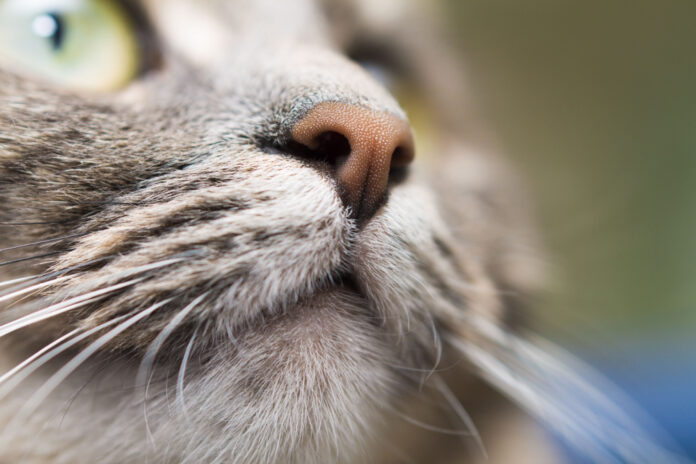
    What Makes a Cat’s Nose Unique? When you look at a cat’s nose up close, you’ll notice an intricate pattern of bumps and ridges. This pattern is entirely unique to each cat, much like a human fingerprint. But why is this the case, and how does it benefit cats? Understanding this captivating feature helps us appreciate the remarkable design of our feline friends.

    Why Are Cat Noses Unique?

    The uniqueness of a cat’s nose is believed to be a result of genetic variation. Just as each human develops distinctive fingerprints, the texture and shape of a cat’s nose are determined during its development in the womb. This individuality is not just a quirky feature—it serves practical purposes as well. For instance, the ridges may help enhance a cat’s sense of smell by channeling scents toward its olfactory receptors.

    How Do Cats Use Their Noses?

    Cats rely heavily on their sense of smell, which is about 14 times stronger than a human’s. Their noses are essential tools for detecting food, recognizing territory, and identifying other animals. The unique structure of each nose may help optimize how scents are processed, allowing cats to gather more detailed information about their environment.

    What Makes a Cat’s Nose Unique 2

    When Does a Cat’s Nose Come Into Play?

    A cat’s nose is constantly in use, whether they’re hunting, exploring, or interacting with humans. For example, a cat may sniff your hand to determine your mood, detect other animals you’ve been near, or simply identify you. Their noses are also crucial during meal times, as they often rely on scent to decide whether food is safe to eat.

    What Makes a Cat’s Nose Unique?

    Opinions and Theories

    Some experts speculate that the unique nose patterns could serve as a means of identification, akin to a barcode. While cats don’t recognize each other by their noses, this feature could have evolutionary significance, perhaps aiding in individual identification within a group or litter.

    Caring for Your Cat’s Nose

    It’s important to monitor your cat’s nose for any changes, such as dryness, cracks, or unusual discharge, as these could be signs of underlying health issues. Keeping your cat hydrated and providing a clean environment can help maintain their nose’s health.

    Conclusion

    The uniqueness of a cat’s nose is a testament to the intricate design of these fascinating creatures. By understanding the role and significance of this feature, we gain deeper insight into how cats perceive and interact with the world. Whether they’re sniffing out a meal or exploring their surroundings, a cat’s nose is a vital tool that highlights just how extraordinary these animals truly are.

    What Is The Best Cat Food For Sensitive Stomachs?

    0
    What Is The Best Cat Food For Sensitive Stomachs

    Cats with sensitive stomachs often require special attention when it comes to their diet. A sensitive stomach can lead to symptoms like vomiting, diarrhea, or refusal to eat, making it essential to find the right food that promotes digestion and overall well-being. Best Cat Food For Sensitive Stomachs. This guide explores the best options for cat food tailored to sensitive stomachs, helping you make an informed choice for your feline friend.

    Understanding The Best Cat Food Sensitive Stomachs in Cats

    Cats can develop sensitive stomachs due to various reasons, including food intolerances, allergies, or underlying health issues. Recognizing the signs and knowing how to manage them can greatly improve your cat’s quality of life.

    Common signs of a sensitive stomach

    • Frequent vomiting after meals
    • Loose stools or diarrhea
    • Excessive gas
    • Loss of appetite
    • Lethargy or lack of interest in activities

    Possible causes

    • Food allergies or intolerances
    • Poor-quality ingredients in commercial cat food
    • Rapid diet changes
    • Stress or anxiety
    • Medical conditions such as inflammatory bowel disease (IBD) or pancreatitis

    Key Features to Look for in Cat Food for Sensitive Stomachs

    When choosing food for a cat with a sensitive stomach, several factors should be considered to ensure it meets their dietary needs.

    High-quality ingredients

    Look for cat food made with high-quality, easily digestible proteins like chicken, turkey, or fish. Avoid fillers like corn, wheat, or soy, which can irritate your cat’s stomach.

    Limited ingredients

    Foods with limited ingredients reduce the risk of exposing your cat to potential allergens. These diets focus on a few high-quality components that are gentle on the digestive system.

    Grain-free options

    Grain-free diets are often better suited for cats with sensitive stomachs, as grains can be a common irritant.

    Prebiotics and probiotics

    Prebiotics and probiotics support gut health by promoting healthy digestion and balancing intestinal flora.

    Wet vs. dry food

    Wet food can be easier to digest and provides hydration, while some cats may prefer dry kibble. Consider your cat’s preferences and health requirements.

    Top Cat Foods for Sensitive Stomachs

    Hill’s Science Diet Adult Sensitive Stomach & Skin

    This vet-recommended formula is designed specifically for cats with sensitive stomachs and skin issues. It contains:

    • High-quality chicken protein
    • Omega-6 fatty acids for skin and coat health
    • Prebiotic fiber to support gut health

    Purina Pro Plan Sensitive Skin & Stomach

    Purina Pro Plan’s formula includes:

    • Easily digestible ingredients like turkey or lamb
    • Oatmeal as a gentle carbohydrate source
    • Essential nutrients for overall health

    Blue Buffalo Sensitive Stomach

    Blue Buffalo’s recipe is made with:

    • Real chicken as the first ingredient
    • Wholesome grains like brown rice and oatmeal
    • LifeSource Bits, a blend of antioxidants and vitamins

    Royal Canin Digest Sensitive Loaf in Sauce

    Cat Care TipsThis wet food is tailored for cats with sensitive digestion, featuring:

    • High digestibility proteins
    • Optimal fat content to reduce digestive stress
    • Palatable texture that appeals to picky eaters

    Wellness CORE Grain-Free

    Wellness CORE offers:

    • A grain-free recipe with high-protein content
    • Ingredients like turkey, chicken, and salmon oil
    • No artificial preservatives or fillers

    Transitioning to a New Diet

    Cats with sensitive stomachs need a gradual transition to new food to avoid further digestive upset. Follow these steps for a smooth transition:

    1. Mix 25% of the new food with 75% of the current food for 2-3 days.
    2. Gradually increase the proportion of new food over 7-10 days.
    3. Monitor your cat’s reaction to the new diet and consult your veterinarian if any issues arise.

    Additional Tips for Managing Sensitive Stomachs

    Avoid table scraps

    Feeding your cat table scraps can introduce irritants or harmful ingredients to their diet. Stick to their formulated meals.

    Provide fresh water

    Ensure your cat has access to clean, fresh water at all times to support hydration and digestion.

    Use smaller, more frequent meals

    Smaller meals spread throughout the day can reduce digestive stress and improve nutrient absorption.

    Consider supplements

    Digestive enzymes or probiotics can be added to your cat’s diet with your vet’s approval.

    When to Consult a Veterinarian

    If your cat’s symptoms persist despite dietary changes, consult a veterinarian. They may recommend diagnostic tests to rule out underlying health issues and suggest prescription diets tailored to your cat’s needs.

    Conclusion

    Finding the best cat food for sensitive stomachs involves understanding your cat’s specific needs and preferences. By choosing high-quality, easily digestible food and following proper feeding practices, you can help your feline companion enjoy a happier, healthier life. Remember to consult your vet for personalized advice, especially if symptoms persist or worsen.

    What Should I Do If My Cat Is Not Eating? Great 2024 Tips

    0
    A concerned cat owner looking at a full food bowl What Should I Do If My Cat Is Not Eating Great 2024 Tips

    Cats are known for their quirky eating habits, but when your feline friend refuses to eat, it can be a cause for concern. Loss of appetite in cats can signal various issues, ranging from minor stress to serious health problems. What Should I Do If My Cat Is Not Eating? Here are great 2024 tips to help you address this issue and get your cat back to its healthy eating habits.

    Understanding the Reasons Behind Loss of Appetite

    1. Stress or Anxiety

    Cats are creatures of habit, and any change in their environment can lead to stress, affecting their eating habits.

    • Common stressors include:
      • Moving to a new home
      • Introduction of new pets or family members
      • Changes in daily routine
    A puzzle feeder in use with a playful cat
    A puzzle feeder in use with a playful cat

    2. Illness or Pain

    A lack of appetite can be a symptom of an underlying medical condition.

    • Possible health issues:
      • Dental problems like toothache or gum disease
      • Gastrointestinal issues
      • Respiratory infections that affect their sense of smell
      • Kidney or liver disease

    3. Food Preferences

    Cats can be finicky eaters. A sudden change in diet or offering food that’s stale or unappetizing to them might result in a hunger strike.

    Older cats often experience changes in metabolism and senses, leading to decreased appetite.

    5. Medication Side Effects

    Certain medications can suppress appetite. If your cat is on medication, check with your vet about potential side effects.

    Immediate Steps to Take

    1. Monitor Their Behavior

    Pay attention to other symptoms that may accompany the loss of appetite, such as:

    • Lethargy
    • Vomiting or diarrhea
    • Weight loss
    • Changes in grooming habits

    2. Offer Fresh Food

    Ensure that the food you’re offering is fresh and appealing. Cats often reject food that has been left out for too long.

    3. Warm Up Their Meal

    Warming the food slightly can enhance its aroma, making it more enticing. Ensure it’s not too hot before serving.

    4. Reduce Stress

    Create a calm environment for your cat by:

    • Providing a quiet space for eating
    • Sticking to a consistent feeding schedule
    • Offering reassurance through gentle petting or play

    When to Visit the Vet when My Cat Is Not Eating

    1. Loss of Appetite Persists

    If your cat hasn’t eaten for more than 24-48 hours, consult your vet immediately. Prolonged fasting can lead to hepatic lipidosis, a life-threatening liver condition in cats.

    2. Severe Symptoms Appear

    Seek veterinary attention if your cat shows:

    • Persistent vomiting
    • Bloody stools
    • Extreme lethargy
    • Rapid weight loss
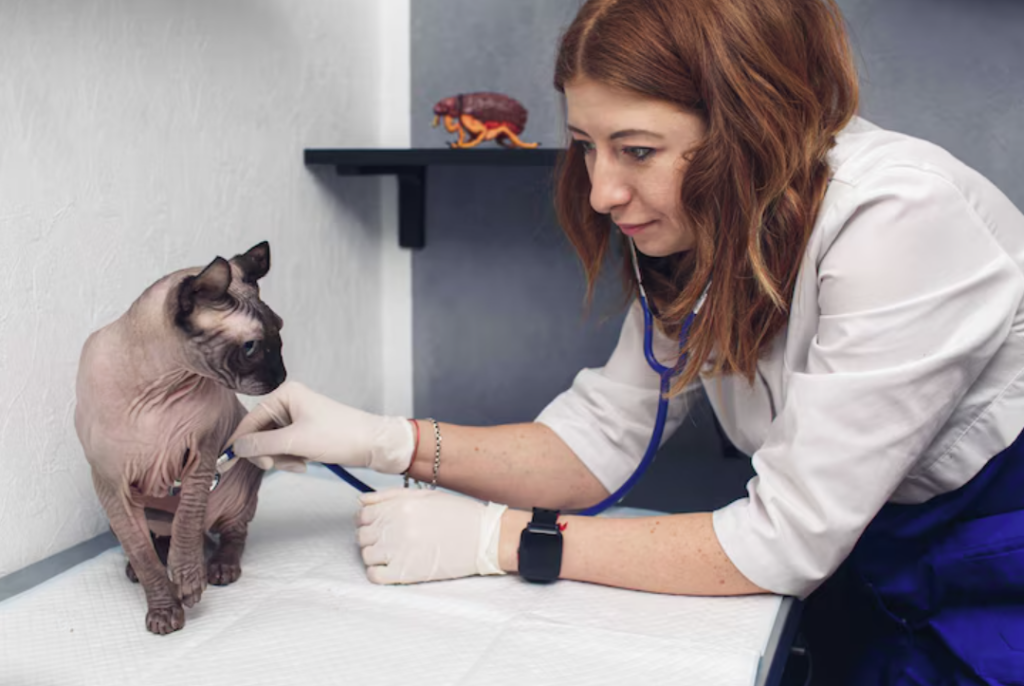
    A vet examining a cat during a checkup
    A vet examining a cat during a checkup

    3. Diagnostic Tests

    Your vet may recommend tests to identify underlying issues, such as:

    • Blood work
    • X-rays or ultrasounds
    • Dental exams
    • Urinalysis

    My Cat Is Not Eating, Long-Term Strategies for a Healthy Appetite

    1. Introduce Palatable Foods

    Offer a variety of high-quality, protein-rich foods to find what your cat prefers. Wet food is often more appealing than dry kibble.

    2. Gradual Diet Changes

    If you need to switch your cat’s food, do so gradually over 7-10 days to avoid upsetting their stomach.

    enjoying a warm meal from a bowl
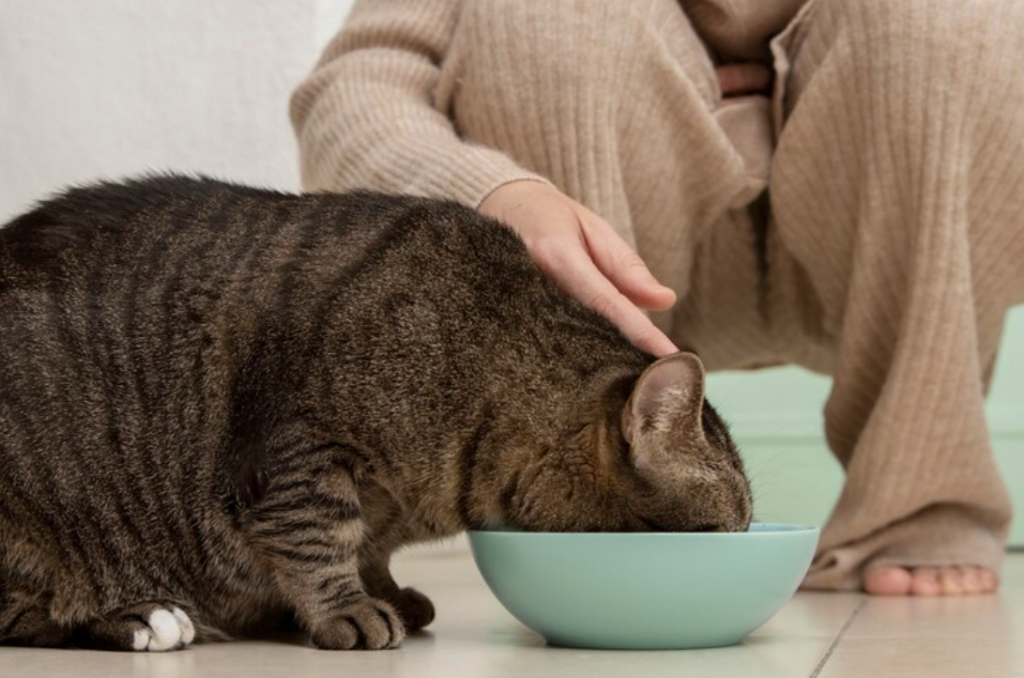
    A cat enjoying a warm meal from a bowl

    3. Use Feeding Enhancers

    Enhance the appeal of your cat’s meals by adding:

    • Tuna water (not brine or oil)
    • Low-sodium chicken broth
    • Special appetite stimulants recommended by your vet

    4. Encourage Hydration

    Dehydration can suppress appetite. Ensure your cat has access to fresh water and consider using a cat water fountain.

    Specific Tips for Different Situations

    1. For Kittens

    • Check for teething discomfort and offer soft, easy-to-eat food.
    • Monitor for signs of illness, as kittens are more vulnerable to infections.

    2. For Senior Cats

    • Offer food tailored for senior cats with enhanced flavors and nutrients.
    • Address potential dental issues that make chewing painful.

    3. For Cats on Medication

    • Ask your vet about adjusting the dosage or timing of medications that may affect appetite.
    • Use pill pockets or mix medications into food to reduce stress during administration.

    My Cat Is Not Eating: Innovative 2024 Tips for Boosting Cat Appetite

    1. Try Aromatherapy

    Cat-safe essential oils, such as valerian or chamomile, can help reduce stress and improve appetite. Consult your vet before use.

    2. Incorporate Puzzle Feeders

    Stimulate your cat’s interest in food with puzzle feeders that make mealtime interactive and engaging.

    Various high quality cat food options displayed
    Various high quality cat food options displayed

    3. Opt for Subscription Meal Plans

    Personalized cat food subscription services now offer tailored meals based on your cat’s preferences and health needs.

    Preventing Appetite Issues: “My Cat Is Not Eating”

    1. Regular Vet Checkups

    Preventative care can catch potential problems early, ensuring your cat stays healthy.

    2. Maintain a Stress-Free Environment

    Consistency in routine and environment helps reduce anxiety in cats.

    3. Keep Food Fresh and Varied

    Store food properly to retain its freshness and rotate flavors to maintain interest.

    4. Monitor Weight and Eating Habits

    Regularly weigh your cat and track its eating patterns to detect issues early.

    Conclusion

    When your cat stops eating, it’s essential to act quickly to identify and address the underlying cause. By following these great 2024 tips, you can help your feline friend regain their appetite and maintain their overall health. Remember, if you’re ever in doubt, consult your veterinarian for guidance.

    How Can I Keep My Cat Healthy and Happy? New Best 2025 Tips

    0
    A cat enjoying a balanced meal in a clean dish

    Cats are beloved companions, bringing joy, comfort, and a sense of calm to our lives. As pet owners, our ultimate goal is to ensure our feline friends are both healthy and happy. With 2025 ushering in new insights into cat care, here are the most effective and modern tips for keeping your cat thriving.

    The Foundation of Cat Health and Happy

    1. Provide a Balanced Diet to keep them Healthy and Happy

    A nutritious diet is the cornerstone of a cat’s health. Cats are obligate carnivores, requiring high-quality protein to maintain muscle mass and overall health.

    A cat enjoying a balanced meal in a clean dish 2
    • Choose premium cat food: Opt for brands that offer complete and balanced nutrition tailored to your cat’s life stage (kitten, adult, senior).
    • Incorporate variety: Rotating between wet and dry food provides hydration and dental benefits.
    • Monitor portion sizes: Overfeeding can lead to obesity, a common health issue among cats.
    • Avoid harmful foods: Steer clear of chocolate, onions, garlic, and grapes, which are toxic to cats.

    2. Regular Vet Checkups

    Preventative care is essential. Cats often hide symptoms of illness, making routine checkups vital.

    • Schedule annual vet visits.
    • Ensure vaccinations are up to date.
    • Discuss parasite prevention, such as flea and tick control.
    • Keep an eye out for changes in behavior, appetite, or litter box habits, and consult your vet if necessary.

    3. Mental and Physical Stimulation

    Cats need regular enrichment to stay happy and mentally engaged.

    A playful interaction with a feather wand toy
    • Interactive toys: Laser pointers, feather wands, and puzzle feeders keep your cat’s mind sharp.
    • Climbing structures: Cat trees, shelves, and scratching posts cater to their natural instincts.
    • Daily playtime: Spend at least 15-20 minutes playing with your cat to strengthen your bond.

    4. Create a Safe Environment

    A secure and stress-free home promotes happiness.

    • Designate a cozy spot: Cats love having a quiet place to retreat.
    • Cat-proof your home: Remove toxic plants, secure windows, and hide electrical cords.
    • Provide a clean litter box: Cats are meticulous about hygiene. Scoop daily and clean the box weekly.

    Best 2025 Tips for Cat Healthy and Happy

    5. Embrace Technological Advances

    Technology continues to revolutionize pet care. New tools in 2025 enhance how we care for our feline companions.

    A cozy, cat friendly home corner with a scratching pos
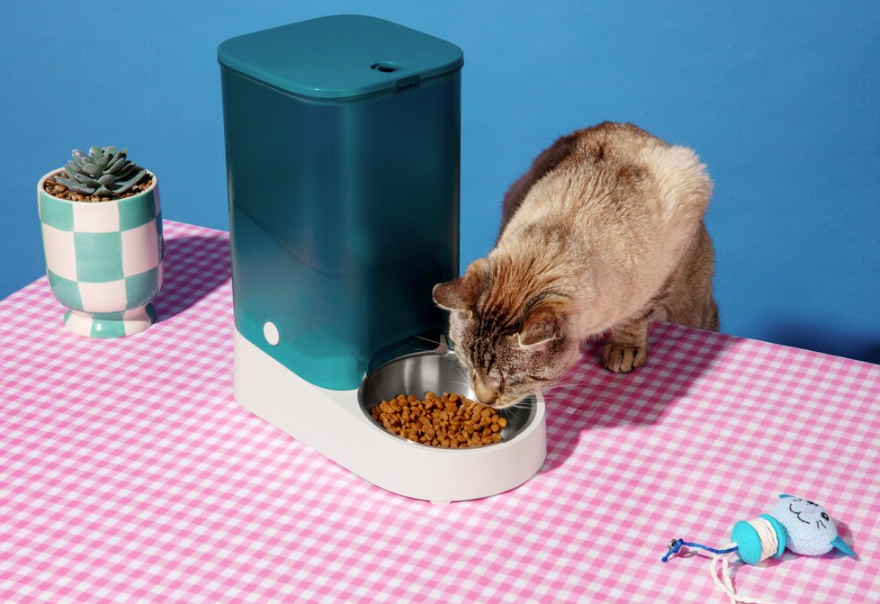
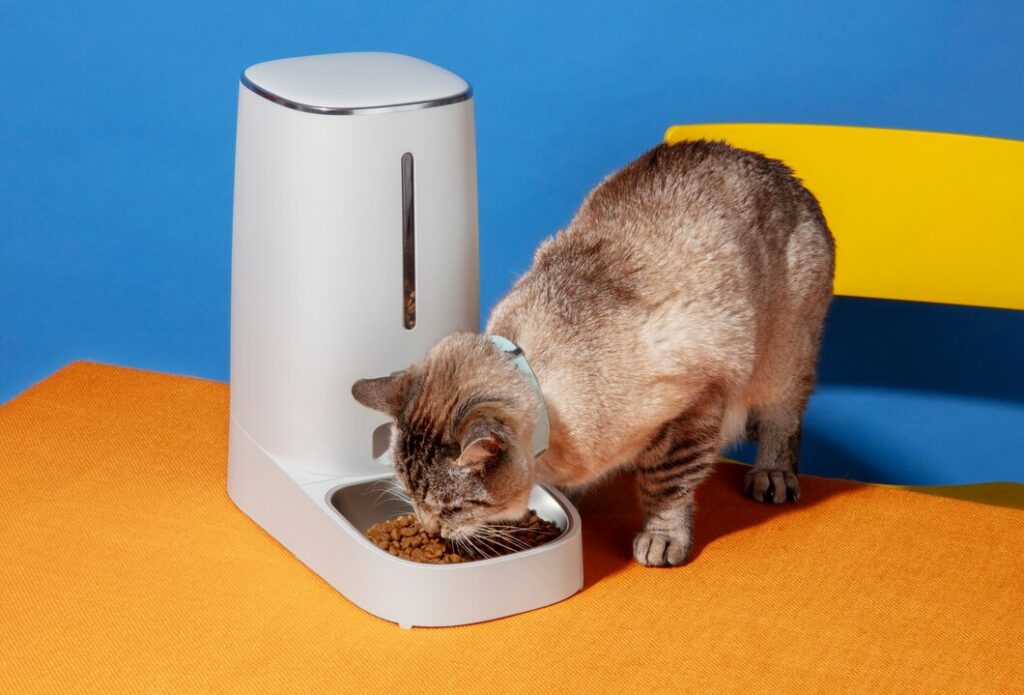
    • Smart feeders: Automated devices ensure your cat is fed on time, even when you’re away.
    • Pet cameras: Monitor your cat’s behavior remotely and interact using voice commands.
    • Health trackers: Wearable devices track your cat’s activity and health metrics, alerting you to potential issues.

    6. Enrich Their Senses

    Cats perceive the world differently than humans. Cater to their sensory needs:

    • Scent enrichment: Introduce cat-safe herbs like catnip or silver vine to stimulate their sense of smell.
    • Visual stimulation: Place bird feeders outside windows or use cat-friendly videos for entertainment.
    • Tactile experiences: Vary textures in bedding, toys, and scratching posts to keep things interesting.
    Seasonal care visuals, like a cat basking in sunlight or snuggled in a blanket during winte

    Seasonal Tips for 2025

    Spring

    • Brush your cat more frequently to manage shedding as they transition from their winter coat.
    • Check for parasites like fleas and ticks as the weather warms up.

    Summer

    • Provide plenty of fresh water to prevent dehydration.
    • Ensure your cat has access to shaded areas or cool tiles to escape the heat.

    Autumn

    • Increase indoor enrichment as outdoor activity may decrease.
    • Prepare for cooler temperatures by providing cozy blankets or heated pads.

    Winter

    • Keep your cat indoors to protect them from the cold.
    • Invest in additional playtime to compensate for reduced sunlight exposure.

    Socialization and Emotional Well-Being

    7. Foster Positive Social Interactions

    Not all cats are social butterflies, but even the most independent feline benefits from gentle companionship.

    • Introduce new pets gradually: Allow your cat to adjust slowly to new animals in the household.
    • Respect boundaries: Let your cat approach you for affection on their terms.
    • Provide consistency: Cats thrive on routine, so establish regular feeding, playtime, and grooming schedules.
    A smart feeder or pet camera setup

    8. Train with Positive Reinforcement

    Training isn’t just for dogs. With patience, cats can learn tricks and commands.

    • Use treats or toys to reward good behavior.
    • Avoid punishment, as it can damage trust.
    • Focus on practical skills, like using a scratching post instead of furniture.

    Preventing Common Cat Health Issues

    9. Dental Care

    Oral health is often overlooked but crucial to overall well-being.

    • Brush your cat’s teeth regularly with cat-safe toothpaste.
    • Provide dental treats or toys designed to reduce plaque buildup.
    • Schedule annual dental checkups with your vet.

    10. Maintain a Healthy Weight

    Obesity can lead to diabetes, arthritis, and other health problems.

    • Monitor your cat’s weight and adjust their diet as needed.
    • Encourage physical activity through play.
    • Consult your vet for tailored advice.

    Building a Lifelong Bond

    11. Understand Their Unique Personality

    Every cat is different. Take time to learn what makes your cat happy, from favorite toys to preferred sleeping spots.

    12. Communicate Effectively

    Cats communicate through body language and vocalizations. Recognize signs of contentment (purring, slow blinking) and stress (hissing, hiding) to better meet their needs.

    Conclusion

    Keeping your cat healthy and happy requires a blend of love, care, and modern techniques. By staying informed and attentive to your cat’s needs, you can ensure they lead a fulfilling life. Implementing these 2025 tips will not only improve your cat’s well-being but also strengthen the special bond you share.

    What Are The Best New Cat Care Tips For First Time Cat Owners?

    0
    A cozy cat corner with a bed, toys, and a scratching post

    Welcoming a cat into your home for the first time is an exciting and rewarding experience. Cats are independent yet affectionate creatures, and building a strong bond with them starts with understanding their needs. Here are the best new cat care tips for first-time cat owners to ensure your feline friend feels happy, healthy, and loved.

    Best Cat Care Tips for First-Time Cat Owners

    1. Create a Safe Space

    Your cat may feel nervous in its new environment. Set up a quiet, cozy corner with essentials like food, water, a litter box, and a comfortable bed. Allow your cat to explore at its own pace without overwhelming it.

    A first time cat owner playing with their new cat What Are The Best New Cat Care Tips For First Time Cat Owners
    A first time cat owner playing with their new cat

    2. Choose the Right Cat Food

    Feeding your cat high-quality, nutritionally balanced food is crucial for its health. Consult your vet about the best diet based on your cat’s age, weight, and activity level. Don’t forget to provide fresh water at all times.

    3. Introduce a Litter Box Properly

    Place the litter box in a quiet, accessible location. Keep it clean by scooping daily and changing the litter regularly. If your cat avoids the box, experiment with different types of litter to find what it prefers.

    4. Schedule a Vet Visit

    A vet visit should be one of your first steps after bringing your cat home. The vet will provide essential vaccinations, check for any health issues, and discuss spaying or neutering options if necessary.

    A vet examining a kitten during a checkup What Are The Best New Cat Care Tips For First Time Cat Owners?
    A vet examining a kitten during a checkup

    5. Provide Enrichmentfor a better Cat Care Tips

    Cats are curious and need mental and physical stimulation. Invest in scratching posts, toys, and climbing trees to keep your cat entertained. Interactive play sessions strengthen your bond and keep your cat active.

    6. Grooming and Hygiene

    Regular grooming keeps your cat’s coat shiny and reduces shedding. Long-haired cats may need daily brushing, while short-haired breeds can be groomed weekly. Keep an eye on your cat’s nails and trim them as needed.

    A cat grooming session with a brush and nail clippers A vet examining a kitten during a checkup
    A cat grooming session with a brush and nail clippers

    7. Socialization and Patience

    Every cat has its own personality. Some may warm up to you immediately, while others take time. Be patient and allow your cat to come to you when it feels comfortable.

    8. Microchipping and Identification

    Accidents can happen, and your cat might wander outside. Microchipping and providing a collar with ID tags can help reunite you if your cat gets lost.

    9. Keep Your Cat Indoors

    Indoor cats are less likely to face dangers like traffic, predators, or diseases. Create a stimulating indoor environment to satisfy their natural instincts without exposing them to outdoor risks.

    A microchipped cat wearing a collar with an ID tag A cat grooming session with a brush and nail clippers
    A microchipped cat wearing a collar with an ID tag

    10. Understand Cat Behavior: Cat Care Tips

    Learning your cat’s body language and vocalizations will help you understand its needs and emotions. For instance, purring often indicates contentment, while hissing means your cat feels threatened.

    Cat Care Tips

    By following these tips, you’ll set the foundation for a happy and healthy life with your new feline companion. Cats are not just pets; they become cherished members of your family.

    A Pet Sematary: New Concept Of Pet Memorials And Tributes

    0
    A Pet Sematary New Concept Of Pet Memorials And Tributes

    The bond between pets and their owners is often deep, with pets becoming an integral part of the family. When a beloved pet passes away, it can be an incredibly painful experience. For many pet owners, saying goodbye is not just about the physical loss. But also the emotional weight of the connection they’ve shared with their animal companion. One way some pet owners cope with this grief is by creating “a pet sematary” or pet memorial—a place or tribute to honor their pet’s memory.

    The Emotional and Spiritual Significance of Pet Memorials

    In this article, we will explore what a pet sematary represents, the different ways people memorialize their pets, and the emotional significance of these tributes.

    What is a Pet Sematary?

    A “pet sematary” is a term that has gained recognition from Stephen King’s famous novel Pet Sematary, which explores the theme of loss, resurrection, and the emotional attachment humans have to their pets. In the story, a cemetery dedicated to pets serves as a backdrop for the central theme of grief and the lengths people will go to in order to bring back lost loved ones. While the term may evoke spooky or supernatural connotations due to its literary origins, in reality, a pet sematary often refers to a memorial site or cemetery dedicated to deceased pets.

    In practice, a pet sematary can range from a simple backyard resting place to a formalized cemetery where pets are buried, and memorials are created. It represents a way to commemorate a pet’s life and offer closure for owners dealing with the emotional impact of their pet’s passing.

    The Emotional Impact of Losing a Pet

    The death of a pet can be as emotionally taxing as the loss of any family member. Pets are loyal companions who provide unconditional love, emotional support, and often a sense of purpose for their owners. For many people, the loss of a pet can trigger deep feelings of sadness, loneliness, and grief, especially if the pet has been with them for a long time.

    Grieving a pet is often more complicated than grieving the loss of other animals or even a human. The strong emotional connection between pet and owner makes the mourning process unique. Pet owners may feel the need to create a tribute to their pet as a way of processing this grief. Making a pet sematary or memorial an important tool for healing.

    Ways to Create a Pet Sematary or Memorial

    Creating a memorial for a deceased pet is a deeply personal decision and can take on many forms. Whether it’s a physical space, a keepsake, or a ritual, these memorials help pet owners honor the life of their pet while navigating their grief.

    1. Backyard Burial

    For some pet owners, the simplest form of a pet sematary involves burying their pet in their backyard. This provides a physical space for remembrance and can offer a sense of comfort in knowing their pet is close by. It’s important to ensure that the burial complies with local regulations regarding pet burials and environmental considerations.

    To personalize the space, pet owners may choose to add a grave marker, a special plaque, or even a favorite toy or blanket to honor their pet. A beautiful garden or tree can also be planted near the resting place to further symbolize life and remembrance.

    2. Formal Pet Cemeteries

    For those who prefer a more formal or public memorial, pet cemeteries offer a respectful resting place for pets. These cemeteries typically offer professional services for pet burial, including graves, markers, and the option for a memorial service. Many pet cemeteries provide a serene and peaceful environment for both pets and their owners, with walking paths, dedicated plots, and beautiful landscaping.

    Pet owners can choose from various options for memorials, such as engraved plaques, urns, or personalized headstones. Some cemeteries even allow for cremated pets to be memorialized with a memorial garden or niche.

    3. Cremation and Memorial Services

    Cremation has become a popular option for pet owners who prefer not to bury their pets. After cremation, owners can choose to keep their pet’s ashes in an urn or have them transformed into a more lasting tribute. There are numerous services available. That allow pet owners to turn their pet’s ashes into meaningful objects, such as jewelry, paintings, or even a diamond.

    These memorial services provide a way for pet owners. To keep their pet’s memory alive in a more tangible, portable way, especially if they don’t have the space for a traditional burial or pet sematary.

    4. Planting a Tree or Flower Garden

    Some pet owners may choose to commemorate their pet’s life by planting a tree or creating a small flower garden in their honor. This act serves as both a memorial and a tribute to the natural cycle of life. The plant or tree can grow and flourish over time, providing a living reminder of the pet’s presence.

    This is often a less formalized way to create a pet sematary, but it can be deeply symbolic. The act of planting something in your pet’s memory can help you feel connected to their spirit and create a lasting legacy.

    5. A Pet Sematary: Creating a Digital Memorial

    With the advancement of technology, some pet owners create online memorials or digital pet semataries for their pets. Websites and platforms exist that allow people to share photos, stories, and memories of their pets. These digital tributes provide an opportunity for the pet’s memory to live on in a public space. Allowing others to join in honoring their pet.

    A digital memorial may include videos, special messages, and even a virtual candle lighting. This option is often more accessible for people who may not be able to create a physical memorial but still wish to honor their pet’s memory in a meaningful way.

    6. Personal Keepsakes

    Beyond physical graves and memorials, many pet owners choose to create keepsakes as a way to remember their pet. These keepsakes can range from framed paw prints to custom portraits or even tattoos. A paw print or a piece of fur can be preserved in a locket. While custom artwork can capture your pet’s likeness forever.

    Personalized memorials serve as reminders of the love and companionship that a pet brought into a person’s life. These keepsakes help carry on the memory of a pet for years to come.

    The Psychological Benefits of Pet Memorials: A Pet Sematary

    Creating a pet sematary or memorial offers more than just a place to visit. It also provides psychological benefits that help the grieving process. Memorializing a pet can help owners work through their grief. Providing a sense of closure and a way to express their love for their pet.

    1. A Sense of Closure

    When a pet passes away, there is often a sense of unfinished business or lingering sorrow. Having a dedicated space to mourn and honor the pet’s memory can provide closure and ease the emotional burden. A pet sematary, whether physical or symbolic, allows pet owners to say goodbye in a way that feels meaningful.

    2. A Place for Reflection and Healing

    The process of creating a memorial can be therapeutic. Allowing pet owners to reflect on the joy their pet brought into their lives. It gives them space to mourn and process their emotions, which is a vital part of healing. Visiting the memorial periodically can also offer comfort and a way to maintain a bond with the pet.

    3. Commemorating the Pet’s Life

    A pet memorial celebrates the life of a pet, acknowledging the role they played in the owner’s life. It provides a space to reflect on the love, loyalty, and companionship shared. Allowing the owner to remember their pet with gratitude rather than solely focusing on the pain of the loss.

    A Pet Sematary: The Spiritual Aspect of Pet Memorials

    For some, a pet sematary holds a spiritual significance. Many people believe that pets have a soul and that they continue to watch over their owners even after death. Creating a memorial or visiting a pet cemetery can serve as a way to honor this belief, offering spiritual comfort and peace.

    In some cultures, rituals and ceremonies are held to ensure the pet’s spirit rests in peace. For example, some people choose to have a small memorial service or offer prayers for their pet, finding solace in the ritual and in the belief that their pet’s spirit lives on.

    Final Thoughts

    A pet sematary, whether it’s a formal burial site or a personal tribute, serves as a meaningful way to honor and remember a beloved pet. The emotional significance of having a place to reflect on the pet’s life can be healing for pet owners coping with the loss of a furry friend. Creating a memorial allows pet owners to celebrate their pet’s life while also providing a space for reflection and closure during the grieving process. Ultimately, a pet sematary is a way to honor the lasting bond between an owner and their pet, ensuring that the pet’s memory lives on forever.

    Is Pet Insurance Worth It? The New Benefits And Considerations

    0
    Is Pet Insurance Worth It The New Benefits And Considerations

    Understanding the Value of Pet Insurance for Your Furry Friends

    Is Pet Insurance Worth It? When it comes to taking care of your beloved pets. One of the most important decisions you’ll face is whether or not to invest in pet insurance. As pet owners, we are dedicated to ensuring our pets’ health and happiness. But the costs associated with veterinary care can be overwhelming. From routine check-ups to unexpected emergencies, veterinary bills can quickly add up. This is where pet insurance comes into play, offering a safety net that could potentially save you a significant amount of money in the long run.

    However, is pet insurance truly worth it? With so many options available in the market and varying coverage plans. It can be difficult to determine whether the cost of a policy is justified. In this article, we will explore the pros and cons of pet insurance. What it typically covers, and how to decide if it’s the right choice for you and your pet.

    The Growing Importance of Pet Insurance

    The idea of insuring pets has become more prevalent over the years, as people recognize the importance of safeguarding their pets’ well-being. According to recent statistics, pet insurance in the U.S. has seen a steady increase in popularity, with millions of pets covered under various plans. This growing trend speaks to the increasing awareness around the importance of preparing for unforeseen medical costs related to pets.

    The rising cost of veterinary care, combined with advancements in pet healthcare, makes pet insurance even more attractive. More treatments, medications, surgeries, and diagnostics are available today for pets, but they often come with a hefty price tag. Pet insurance offers a way to manage these potential expenses and avoid financial strain when your pet requires medical attention.

    Key Benefits of Pet Insurance

    1. Financial Protection from Unexpected Costs

    One of the most compelling reasons to invest in pet insurance is the financial protection it provides. Veterinary care for pets is not cheap, especially if your furry companion suffers from a serious illness or injury. Emergency surgeries, cancer treatments, or prolonged hospital stays can cost thousands of dollars. Pet insurance helps mitigate these high costs, ensuring that you won’t have to choose between your pet’s health and your financial well-being.

    2. Access to Comprehensive Care

    Pet insurance allows you to take your pet to any licensed vet or specialis. Offering a broader range of treatment options. Whether it’s routine care or a specialized procedure, having insurance allows you to make decisions based on the health of your pet rather than worrying about costs. This can be crucial if your pet needs emergency care or long-term treatment for chronic conditions.

    3. Peace of Mind

    Knowing that you’re financially covered in the event of a medical emergency can provide immense peace of mind. Pet owners often worry about how they will afford unexpected medical expenses, and pet insurance alleviates this burden. With insurance in place, you can focus on your pet’s recovery instead of scrambling to secure funds for treatment.

    4. Customizable Plans to Fit Your Needs

    Most pet insurance providers offer a variety of plans that allow you to select the coverage that best suits your pet’s specific needs. Whether you have a young, healthy pet or an older animal with pre-existing conditions, there are policies designed to provide the right level of protection. You can choose your deductible, reimbursement rate, and coverage limits to create a plan that fits both your budget and your pet’s healthcare requirements.

    What Does Pet Insurance Cover and Is Pet Insurance Worth It?

    The coverage provided by pet insurance can vary greatly depending on the provider and the type of plan you choose. Here are some of the common types of coverage offered:

    1. Accidents and Emergencies

    Most basic pet insurance plans cover accidents, injuries, and emergencies. If your pet is involved in an accident or suffers from an unexpected injury, your insurance will help pay for emergency treatment, surgeries, or hospital stays. This coverage is essential for dealing with unforeseen situations that could otherwise lead to expensive bills.

    2. Illnesses and Chronic Conditions

    Pet insurance can also cover illnesses such as infections, digestive disorders, and chronic conditions like arthritis or diabetes. Coverage for chronic conditions may be limited or have waiting periods, so it’s important to understand the specifics of your policy.

    3. Routine and Preventative Care

    Some policies offer add-ons for routine care, including vaccinations, flea and tick treatments, and annual check-ups. While not always included in basic policies, these optional extras can help you manage the costs of regular health maintenance for your pet.

    4. Specialty Care and Treatments

    If your pet requires specialized care or treatments, such as cancer treatment, diagnostic tests, or surgeries, pet insurance can cover these expenses. Depending on the policy, this can include access to high-cost treatments like chemotherapy or MRIs that would otherwise be unaffordable.

    The Drawbacks of Pet Insurance

    While pet insurance offers a range of benefits, it may not be the right choice for every pet owner. It’s important to consider both the advantages and disadvantages before making a decision.

    1. Monthly Premiums

    The most obvious downside of pet insurance is the cost of premiums. Depending on your pet’s age, breed, and health, monthly premiums can range from $20 to $100 or more. While this can be manageable for some, it may not be worth it for others. Particularly if your pet is generally healthy and doesn’t require frequent visits to the vet.

    2. Exclusions and Limitations

    Pet insurance policies often come with exclusions, such as pre-existing conditions, cosmetic procedures, or certain breeds that are prone to genetic issues. You’ll need to read the fine print to ensure that your pet’s specific needs are covered. Additionally, many policies have limits on how much they will pay out per year or per condition, which could leave you with significant out-of-pocket expenses.

    3. Deductibles and Co-pays

    In addition to the monthly premiums, you may also need to pay a deductible before the insurance kicks in. Some plans also require co-pays, where you’re responsible for a percentage of the treatment costs. This means that, while your pet’s care may be partially covered, you’ll still need to cover a portion of the bill.

    4. Uncertain Long-Term Costs

    For pets that live long lives, you may end up paying more in premiums over the years than the actual cost of the medical care your pet receives. While pet insurance provides valuable protection in the event of an emergency. It’s important to weigh the ongoing costs against the likelihood of needing extensive care.

    How to Decide if Pet Insurance is Right for You

    Choosing whether or not to invest in pet insurance depends on various factors. Here are some things to consider when making your decision:

    1. Your Pet’s Age and Health

    If you have a young, healthy pet, you may not require as much coverage as someone with an older pet or a pet prone to health issues. However, purchasing insurance while your pet is young can often result in lower premiums and fewer exclusions for pre-existing conditions.

    2. Your Budget and Financial Situation

    Consider your ability to cover unexpected veterinary costs. If you have the financial means to handle emergency expenses without assistance, you may not need insurance. However, if you would struggle to afford treatments in the event of an emergency, pet insurance could be a worthwhile investment.

    3. Your Pet’s Breed and Predispositions

    Certain breeds are more prone to genetic conditions or health issues, which could lead to higher veterinary bills down the road. If your pet belongs to a breed that is prone to specific illnesses. insurance may provide you with the peace of mind needed to afford necessary treatments.

    4. The Cost of Veterinary Care in Your Area

    If you live in an area where veterinary care is expensive, pet insurance can help offset these costs. It may also be worth comparing the cost of insurance premiums with the potential costs of treatment for common conditions in your area.

    Final Thoughts on, Is Pet Insurance Worth It

    When weighing whether pet insurance is worth it. It’s important to carefully assess your pet’s needs, your financial situation, and the level of coverage provided by various plans. While the monthly premium and exclusions might seem daunting. The protection and peace of mind that pet insurance offers could be invaluable in the event of a medical emergency.

    For many pet owners, the value of knowing that they can provide the best possible care for their pets without worrying about financial constraints makes pet insurance a worthwhile investment. However, as with any decision. It’s important to do your research, compare policies, and choose the best option for both you and your furry friend.

    Recent Posts