Saturday, March 7, 2026
More
    Home Blog Page 11

    Is Pet Insurance Worth It? Exploring the Benefits and Drawbacks

    0
    Is Pet Insurance Worth It Exploring the Benefits and Drawbacks (6)

    Is pet insurance worth it? This question has become increasingly popular as pet ownership continues to rise, and medical expenses for pets can become overwhelming. With more pet owners facing expensive veterinary bills for their furry friends. Many are considering whether investing in pet insurance is a wise financial decision. This article will explore the advantages and disadvantages of pet insurance. Helping you determine if it’s a valuable investment for you and your pet.
    Is Pet Insurance Worth It Exploring the Benefits and Drawbacks (1)

    What Is Pet Insurance?

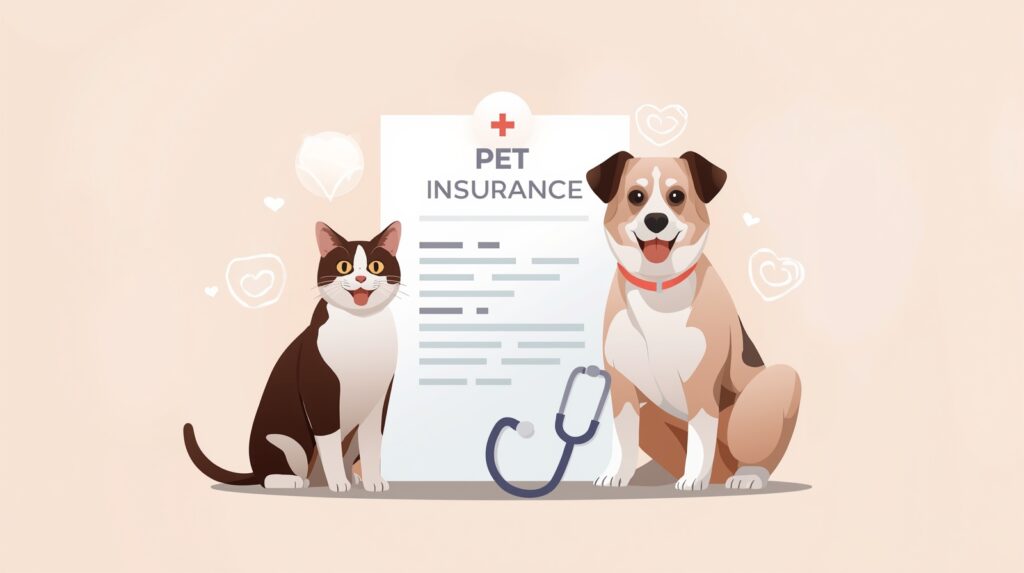
    Is pet insurance worth it? Pet insurance is designed to cover veterinary expenses for your pet in the event of illness, accidents, or other health-related issues. Like human health insurance, pet insurance typically comes with monthly premiums, a deductible, and coverage limits. There are different types of pet insurance policies, including:

    • Accident-Only Coverage: This type of insurance covers the costs of accidental injuries, such as broken bones or burns.
    • Accident and Illness Coverage. A more comprehensive option that covers both accidents and various illnesses, including chronic conditions like diabetes or cancer.
    • Comprehensive Coverage: This plan covers accidents, illnesses, and often includes additional benefits such as wellness care, vaccinations, and preventive treatments.

    Now that we understand what pet insurance is, let’s delve into the pros and cons of having a policy for your pet.

    Is Pet Insurance Worth It Exploring the Benefits and Drawbacks (2)

    The Benefits

    There are several key advantages to having pet insurance, especially for pet owners who are concerned about the cost of unexpected veterinary care. Below are some of the most compelling reasons why pet insurance can be a worthwhile investment.

    1. Financial Protection Against High Veterinary Costs

    Veterinary treatments, particularly for emergencies or chronic illnesses, can be expensive. Without insurance, owners may face large out-of-pocket costs, which can strain their finances. Pet insurance helps mitigate this risk by covering a significant portion of the veterinary bills, depending on the policy.

    For instance, a visit to the emergency vet for a life-threatening condition could easily cost several thousand dollars. Pet insurance can reduce the financial burden, making it easier to afford necessary treatments without draining your savings.

    2. Access to a Wide Range of Treatments

    Pet insurance can give pet owners access to a wide array of treatments, including surgeries, medications, and diagnostic tests that might otherwise be financially out of reach. Policies that cover both accidents and illnesses ensure that your pet can receive the best possible care without worrying about how to pay for it.

    For instance, if your pet develops cancer. A comprehensive pet insurance policy could help cover the costs of chemotherapy or surgery. Which would typically cost thousands of dollars without insurance.

    3. Peace of Mind

    Is pet insurance worth it: One of the greatest benefits of pet insurance is peace of mind. Knowing that you have a safety net to cover your pet’s medical expenses can reduce the stress of having to make difficult decisions regarding their care. Pet owners who do not have insurance may have to decide whether they can afford treatment or need to euthanize their pet due to financial constraints. Pet insurance eliminates this worry, ensuring that your pet’s health is prioritized over financial concerns.

    4. Coverage for a Variety of Conditions

    Pet insurance policies vary in terms of what they cover, but many plans cover a wide range of illnesses and accidents. Some policies even offer specialized coverage for conditions like hereditary diseases or breed-specific conditions. For example, if you have a dog breed that is predisposed to hip dysplasia. Pet insurance can help offset the cost of treatment if the condition arises.

    Additionally, some insurers offer optional add-ons for preventive care, including vaccinations, flea and tick treatments, and annual health check-ups.

    5. Flexible Coverage Options

    Pet insurance providers offer a variety of plans with different levels of coverage. Allowing you to select a policy that fits your budget and the needs of your pet. You can usually choose your deductible, reimbursement percentage, and coverage limits. This flexibility ensures that you can find an insurance policy that matches both your financial situation and your pet’s health requirements.
    Exploring the Benefits and Drawbacks (4)

    The Drawbacks of Pet Insurance

    While pet insurance offers numerous benefits, there are some potential drawbacks that you should consider before purchasing a policy. Understanding these limitations can help you make an informed decision.

    1. Monthly Premiums and Deductibles

    One of the main concerns for pet owners is the cost of monthly premiums. Depending on the level of coverage, the breed of your pet, and their age, premiums can range from $20 to $100 per month. This may seem like a manageable expense. But when added to other pet-related costs (food, grooming, etc.), it could become a financial burden.

    Additionally, pet insurance typically requires you to pay a deductible before the coverage kicks in. And there may be limits on how much the insurer will pay per year or per condition. These out-of-pocket costs can add up quickly, especially for ongoing treatments.

    2. Exclusions and Limitations

    Although Is pet insurance worth it: The insurance covers a wide range of conditions, there are some exclusions and limitations. Pre-existing conditions, for example, are generally not covered. If your pet has a medical condition prior to getting insurance. The insurer will likely not pay for treatments related to that condition.

    Moreover, some policies have limits on how much they will cover per condition. Which means you could still be left with a significant portion of the bill. Be sure to read the terms and conditions of the policy carefully to understand what is covered and what isn’t.

    3. Not All Treatments Are Covered

    While pet insurance covers many treatments, it does not cover everything. Most policies exclude elective procedures such as cosmetic surgeries (like tail docking or ear cropping). And may have limitations on alternative treatments like acupuncture or holistic care. Make sure to check the list of covered treatments before purchasing insurance to ensure that it meets your pet’s specific needs.

    4. Waiting Periods

    Many pet insurance policies have waiting periods before coverage kicks in. For example, some policies may require a waiting period of up to 14 days before they cover illness-related claims, and longer periods for specific conditions. This means that if your pet develops an illness shortly after you purchase insurance. You may have to wait a few weeks before being eligible for reimbursement.

    5. Age Limits for Coverage

    Some pet insurance providers may have age limits for coverage, meaning that older pets may be excluded from certain policies or may have higher premiums. Pets that are considered “senior” animals (typically over the age of 7) may face restrictions or more expensive premiums, making insurance less affordable for owners of older pets.

    Exploring the Benefits and Drawbacks (5)

    Is it Worth It for You?

    The decision of whether pet insurance is worth it ultimately depends on your individual circumstances. Here are a few factors to consider when deciding whether pet insurance is right for you:

    • Your Pet’s Health: If your pet is generally healthy, you may not see as much benefit from insurance in the short term. However, if your pet is prone to illness or if they are a breed with a higher risk of certain conditions, insurance could save you money in the long run.
    • Your Financial Situation: If you can comfortably afford the premiums and potential out-of-pocket costs, pet insurance can provide peace of mind. However, if the cost of premiums is too high for your budget, it may not be the best option for you.
    • Your Willingness to Pay for Treatment: If you are willing to pay for your pet’s medical expenses out-of-pocket and are confident that you can cover unexpected veterinary costs, you may not need insurance. However, if the thought of a large veterinary bill is overwhelming, insurance can help manage the financial burden.

    Conclusion: Weighing the Pros and Cons of Pet Insurance

    In conclusion about is pet insurance worth it, pet insurance can be a valuable tool for managing the cost of veterinary care and ensuring that your pet receives the best possible treatment without financial constraints. However, it’s not without its drawbacks, including premiums, exclusions, and limitations. Carefully assess your pet’s health, your budget, and your preferences before deciding if pet insurance is worth it for you.

    If you decide that pet insurance is right for you, make sure to shop around and compare different plans to find the best coverage for your pet’s needs.

    Are Immigrants Eating Pets? The Truth Behind The Misconception

    0
    Are Immigrants Eating Pets Understanding the Truth Behind This Misconception (4)

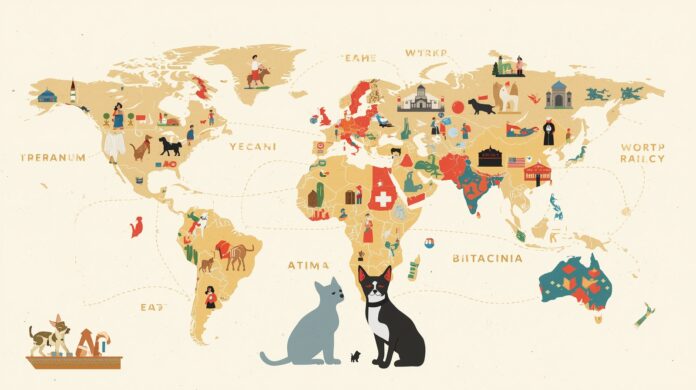
    The question, “Are immigrants eating pets?” has circulated in various forms across media platforms, often sparking curiosity and concern. This topic involves significant cultural sensitivities and misunderstandings. And it’s important to address it with factual insights to differentiate between myths and reality. In this article, we will delve into the origin of this question. The cultural aspects surrounding food consumption, and how to properly navigate the information being shared.

    Are Immigrants Eating Pets Understanding the Truth Behind This Misconception (3)

    The Origin of the “Immigrants Eating Pets” Question

    The question “Are immigrants eating pets?” often emerges as a sensationalized headline or anecdotal story designed to stir emotions and provoke controversy. This question typically arises from specific cultural practices where animals, such as dogs, are considered edible in certain countries, often in East Asia. But it has been misrepresented when applied to immigrants in general. The spread of this narrative can be traced to a mixture of xenophobia, misinformation, and cultural misunderstandings. Especially when individuals from different parts of the world move to countries where pets are viewed differently.

    Understanding Cultural Differences Around Pet Consumption

    Globally, food customs vary greatly, and what is considered a delicacy or acceptable food in one culture might be viewed as taboo in another. In some countries, especially parts of Asia, eating certain animals—such as dogs and cats—has historical roots. Where these meats were considered traditional in specific regions. However, these practices are not universally accepted within those countries, and they have been subject to criticism and evolving legal regulations.

    • Historical Context: In some cultures, dog meat has been consumed as part of historical dietary practices. However, over the years, the consumption of dog meat has declined in many countries due to growing concerns about animal rights, pet ownership, and shifting social attitudes.
    • Modern Shifts: In the modern world, many of the countries where dog meat once had a place in the diet are moving toward banning the practice, influenced by global pressures regarding animal welfare. Countries such as South Korea and China have made significant strides in limiting or outlawing the consumption of dog meat.

    Despite this, cultural differences persist, and practices in the past may still inform misconceptions about immigrants. Particularly those arriving from areas where the consumption of certain animals might have been a norm. The question, “Are immigrants eating pets?” arises from the conflation of cultural practices. And the broad generalization of individuals, which often leads to stereotypes.

    Are Immigrants Eating Pets Understanding the Truth Behind This Misconception (5)

    Stereotypes and the Role of Media in Perpetuating Misinformation

    In today’s world, media plays a significant role in shaping perceptions and fueling misconceptions. Social media, in particular, can amplify rumors and create moral panic over topics like the consumption of pets. Articles or videos with exaggerated claims may garner views, but these sensational headlines often lack context and fail to provide a full, nuanced understanding of the cultural dynamics involved.

    A few reasons why this topic has gained attention in the media include:

    • Xenophobia and Fear of the “Other”: Immigrants often face prejudice based on their cultural practices, which may differ significantly from those of the host country. The “eating pets” myth serves to cast doubt on the values of immigrant communities, creating divisions based on unfounded fears.
    • Cultural Shock and Misunderstanding: When people are exposed to different ways of living, including food choices, it can lead to shock or disgust. This feeling can quickly turn into judgment. Where certain cultural practices are misinterpreted as harmful or inappropriate without a deeper understanding of context.
    • Viral Content: Misleading content, like videos or stories about immigrants eating pets. Can quickly go viral because of its shocking nature. These stories rarely come with accurate background information and often present an oversimplified view of complex cultural traditions.
    Are Immigrants Eating Pets Understanding the Truth Behind This Misconception (6)

    The Reality: Are Immigrants Eating Pets?

    In reality, the vast majority of immigrants, like native populations, do not consume pets. Just as the general population in many parts of the world does not eat cats or dogs. Most immigrants follow similar dietary practices that adhere to ethical standards of pet ownership. Pets, especially cats and dogs, are largely considered family members in many cultures, and their consumption is rare, if not entirely taboo, in most modern societies.

    Cultural Shift Toward Animal Rights

    In recent decades, global awareness about animal rights has grown, and so has the responsibility of pet ownership. Across the world, including among immigrant communities. Pets are increasingly seen as companions and family members, rather than sources of food.

    • Pet Ownership as a Global Norm: In the global context, pet ownership is seen as a sign of affection, and the emotional bond between humans and animals is celebrated. With widespread awareness of pet care, there has been an increasing shift in the way people treat and regard animals, especially as pets.
    • Global Bans and Restrictions: Many countries have passed laws that prohibit the consumption of dogs and cats. For example, in the United States and the European Union, there are strict regulations about animal welfare and the treatment of pets, making it highly unlikely that immigrants would adopt practices contrary to those legal standards.

    What Drives These Misunderstandings of, are immigrants eating pets?

    The misconceptions about immigrants eating pets stem from a few key factors:

    • Lack of Cultural Understanding: People who are unfamiliar with the cultural practices of immigrants may rely on stereotypes or hearsay, rather than facts. Cultural practices vary widely across the world, and understanding these differences can lead to more informed, less judgmental attitudes.
    • Overgeneralization: The actions of a small minority are often used to paint an entire group with a broad brush. A few instances of controversial practices—usually isolated or outdated—are generalized to an entire population of people.
    • Sensationalism: The media’s tendency to sensationalize shocking or unusual practices contributes significantly to these myths. When stories about specific cultural practices gain attention, it can lead to a larger narrative that is not necessarily grounded in the everyday experiences of most immigrants.

    The Importance of Cultural Sensitivity and Awareness

    To navigate questions like “Are immigrants eating pets?” with understanding and empathy, it is crucial to foster cultural sensitivity and awareness. Recognizing the value of diverse cultural backgrounds and educating ourselves about different traditions can help eliminate stereotypes and reduce the spread of harmful misinformation.

    Understanding the Truth Behind This Misconception (2)

    Understanding and Empathy

    The globalized world we live in today is full of diverse cultures. And what we may find strange or unsettling might hold significant meaning to others. While it is important to advocate for animal rights and ensure that pets are treated with dignity. It is equally important to engage with cultural differences respectfully and without assumption.

    • Engagement with Immigrant Communities: By engaging with immigrant communities in a positive and open-minded way. We can break down misconceptions and create spaces for dialogue about shared values, such as compassion for animals.
    • Education on Animal Welfare. Educating people about animal rights and ethical treatment is vital, but this should be done in a way that encourages understanding, rather than shame or isolation.

    Conclusion: Moving Beyond Myths and Embracing Understanding

    In conclusion, the question, “Are immigrants eating pets?” reflects a deeper issue of misunderstanding and fear based on cultural differences. The reality is that most immigrants do not engage in practices that involve eating pets. And the widespread consumption of dogs or cats is increasingly rare, even in the countries where it was once practiced.

    It is essential to separate myths from facts and approach discussions surrounding immigrants and food culture with an open mind. Stereotyping based on isolated, outdated practices only fosters division and prevents genuine cultural understanding. As we continue to grow as a global society, embracing diversity, promoting empathy, and advancing education about cultural practices will help dispel harmful myths and build stronger communities.

    Why Do We Keep Pets 2: The New Role Of Pets In Our Lives

    0
    Why Do We Keep Pets 2 The New Role Of Pets In Our Lives (5)

    Why do we keep pets 2? For many people, the answer is simple: companionship, comfort, and joy. Pets are much more than just animals we care for—they are part of our families. From the wagging tail of a dog to the soft purr of a cat, pets bring happiness, emotional support, and even health benefits to their owners. In this article, we will explore the reasons why we keep pets 2, the benefits of having them, and how they enrich our lives.

    Why Do We Keep Pets 2 The New Role Of Pets In Our Lives (1)

    The Emotional and Psychological Benefits of Having Pets

    One of the main reasons people keep pets is for emotional and psychological support. Pets are known to form strong bonds with their owners, offering companionship that alleviates loneliness. Whether you’re a child, an adult, or a senior, having a pet can significantly impact your emotional well-being. Here’s why:

    1. Companionship and Loneliness Reduction

    Why do we keep pets 2? Humans are social beings, and we thrive on connections. Pets, especially dogs and cats, offer constant companionship. They provide affection and a sense of connection, which is essential for emotional health. For those living alone or who are isolated due to various reasons, pets can be a source of comfort and security.

    Many pet owners report feeling less lonely and more emotionally stable due to the presence of their pets. Pets don’t just stay by our side; they also listen, act as confidants, and help us navigate through tough times.

    2. Stress and Anxiety Relief

    Pets have been shown to reduce stress and anxiety. Studies have found that petting a dog or cat can trigger the release of oxytocin, a hormone responsible for emotional bonding and happiness. This reduces levels of cortisol, the stress hormone.

    For people with anxiety or high levels of stress, spending time with a pet can be incredibly soothing. The simple act of playing with or petting a pet can calm nerves and promote a sense of well-being.

    3. Improved Mental Health

    For those struggling with mental health issues like depression, pets can have a profound positive effect. Pets are not judgmental, and they provide unconditional love, which can be incredibly healing. The responsibility of caring for a pet also gives pet owners a sense of purpose, which is essential for people battling depression.

    Moreover, pets encourage activity. Walking a dog, playing with a cat, or simply interacting with an animal encourages physical movement, which is beneficial for mental health.

    Why Do We Keep Pets 2 The New Role Of Pets In Our Lives (2)

    Physical Health Benefits of Keeping Pets

    In addition to the emotional and psychological benefits, pets also contribute to physical health. Here are some ways pets improve overall well-being:

    1. Increased Physical Activity

    One of the most significant physical benefits of having a pet is the increased level of physical activity. Dog owners, in particular, are often more active because dogs require regular walks, runs, and playtime. This regular exercise can help pet owners stay fit and maintain a healthy lifestyle.

    Even playing with a pet indoors or in the yard can promote physical activity. For individuals who struggle with motivation to exercise, having a pet can provide that extra push.

    2. Lower Blood Pressure and Heart Disease Risk

    Why do we keep pets 2: Studies have shown that pet owners tend to have lower blood pressure and a reduced risk of heart disease. The companionship and regular exercise pets provide can help lower blood pressure levels and promote heart health.

    The calm and relaxed environment pets create also reduces stress levels, which is known to be a significant risk factor for heart-related issues.

    3. Pain Relief and Recovery Aid

    Pets, particularly service animals, can play a vital role in recovery from illness or injury. For example, service dogs help individuals with mobility issues or physical disabilities. Additionally, the presence of pets has been shown to aid recovery from medical procedures by reducing stress and encouraging a calm, healing environment.

    Why Do We Keep Pets 2 The New Role Of Pets In Our Lives (4)

    Pets Teach Us Valuable Life Lessons

    Owning a pet also provides valuable lessons, particularly for children. Pets teach us responsibility, empathy, and compassion.

    1. Responsibility

    Taking care of a pet requires dedication and responsibility. Feeding, grooming, exercising, and ensuring the pet’s health are part of daily life. For children, having a pet teaches them how to care for another living being, fostering a sense of responsibility. It also helps children understand the importance of routine and how to manage time effectively.

    2. Empathy and Compassion

    Pets require attention and care, and owning one helps develop empathy. By understanding their needs, owners learn to recognize and respond to emotions. Children especially benefit from learning to care for a pet’s well-being, as it teaches them how to be compassionate and considerate.

    3. Teaching Life Cycles

    Pets also help children understand the cycle of life, including birth, aging, and death. While this may be a difficult subject, it is an essential part of growing up. Children who own pets learn early on the importance of nurturing and the delicate balance of life.

    Why We Keep Pets: The Role of Pets in Families

    Pets often become integral members of families. They aren’t just animals; they are companions, protectors, and even emotional caregivers. Families keep pets for various reasons, and the relationship can be transformative:

    1. Strengthening Family Bonds

    Pets can strengthen family bonds by bringing family members together. They become a shared responsibility and an activity point for the whole family. Why do we keep pets 2? Whether it’s taking the dog for a walk, playing with a cat, or caring for a pet bird, the whole family can be involved in pet care.

    Pets also provide opportunities for family members to connect in positive ways. They give everyone something to focus on and care for, promoting teamwork and unity.

    2. Security and Protection

    For many families, pets provide an additional layer of security. Dogs, in particular, are known for their protective nature and can act as excellent watchdogs. Even smaller pets like cats and birds often alert owners to strange sounds or visitors, making them valuable for household security.

    3. Encouraging Socialization

    Having a pet can improve a family’s social life. Pet owners tend to socialize with other pet owners, whether at parks, pet-friendly events, or local pet stores. These interactions provide opportunities for families to meet others and form social connections, which can be especially important for children.

    What Are the Common Pets We Keep?

    The types of pets people choose vary widely depending on their lifestyle, living situation, and personal preferences. The most common pets people keep include:

    • Dogs: Known for their loyalty, playfulness, and companionship, dogs are one of the most popular pets in the world.
    • Cats: Cats are independent and affectionate, making them great companions for people who prefer a more low-maintenance pet.
    • Fish: Fish are calming to watch and require minimal interaction, making them ideal for those with busy lifestyles.
    • Birds: Parrots, canaries, and budgies are popular pets due to their intelligence, ability to mimic sounds, and relatively low maintenance.
    • Small Mammals: Hamsters, guinea pigs, rabbits, and ferrets are excellent choices for smaller living spaces.

    How to Choose the Right Pet for Your Family

    Choosing the right pet for your family depends on several factors, such as the amount of time you have for care, your living environment, and your lifestyle. Here are some tips:

    • Consider Your Living Space: Larger pets, like dogs, may not be suitable for small apartments, while smaller pets, like fish or hamsters, are perfect for tight spaces.
    • Evaluate Your Schedule: Some pets, like dogs, need more time and attention. Make sure you can meet the demands of your pet’s care before bringing one into your home.
    • Think About Long-Term Commitment: Pets require long-term care, and some pets, such as dogs and parrots, can live for many years. Make sure you’re ready for this long-term responsibility.

    Conclusion:

    Why do we keep pets 2? The reasons we keep pets are varied, but the impact they have on our lives is undeniable. From providing emotional support to teaching valuable lessons about responsibility and compassion, pets are integral to our happiness and well-being. Whether you’re seeking companionship, security, or a way to bring your family together, having a pet can be a transformative experience that enriches your life in countless ways.

    Pet Shop: How To Choose The Store For Your Pet Needs

    0
    Pet Shop Complete Guide To Choosing The Best Store For Your Pet Needs (2)

    A pet shop is more than just a store; it’s a hub where pet owners can find everything their furry, feathered, or scaly friends need. From food and accessories to grooming and healthcare products, a pets shop is essential for every pet parent. But how do you choose the right pet shop for your needs? What factors should you consider when selecting a place to purchase pets and pet products? This article will explore what to look for in a pet shop, the services they offer, and how to make the best choice for you and your pet.

    Pet Shop Complete Guide To Choosing The Best Store For Your Pet Needs (1)

    What is a Pet Shop?

    A pet shop is a retail establishment that sells pets, pet food, and pet-related products. These stores cater to a variety of animals, from common pets like cats and dogs to more fascinating creatures like reptiles, birds, and fish. Pet shops provide a wide range of products, including food, toys, grooming tools, cages, and bedding.

    But pet shops are not just about selling products; many also offer additional services like pet grooming, training, and even adoption. Whether you’re a seasoned pet owner or someone looking to bring a new pet into your home, a pet shop plays a key role in your pet care journey.

    What to Look for in a Shop

    When it comes to choosing a pet shop, there are several factors you need to consider. The right pet shop will not only meet your basic needs but will also provide you with a safe, healthy environment for your pets. Here are some things to look for:

    1. Wide Range of Products

    A reputable pet shop should offer a diverse selection of products for different types of pets. Look for stores that carry high-quality pet food, accessories, grooming tools, and health products. You want a pet shop that provides premium brands of food and other supplies to ensure your pet’s well-being.

    Some essential items to expect from a good pets shop include:

    • Pet food: Dry food, wet food, treats, and specialty foods for pets with health concerns (such as hypoallergenic or grain-free options).
    • Toys and accessories: Chew toys, scratching posts, collars, leashes, and bedding.
    • Grooming supplies: Shampoos, brushes, nail clippers, and pet-safe grooming products.
    • Health products: Vitamins, flea and tick treatments, and dental care items.

    2. Healthy Pets

    A key indicator of a reliable pet shop is the health and well-being of the animals they sell. Whether you’re looking for a puppy, kitten, fish, or bird, the animals should appear healthy, active, and well-cared for. Healthy pets are less likely to carry diseases, which is crucial when bringing a new pet into your home.

    Check the environment in which the animals are kept. Clean, spacious, and well-maintained cages and tanks are important indicators of a good pet shop. Also, make sure the animals are fed regularly and have access to fresh water.

    3. Expert Staff

    The staff at a pet shop should be knowledgeable about the pets and products they sell. They should be able to answer your questions regarding pet care, food options, and health concerns. Whether you’re looking for advice on the right type of food or seeking recommendations for a particular breed of dog, the staff’s expertise can make a big difference.

    Some pet shops even offer veterinary services or work with local veterinarians to provide health check-ups for pets. This can be a helpful resource when you need guidance on your pet’s health.

    4. Ethical Pet Sourcing

    Ethical sourcing is an important consideration when selecting a pet shop. Some pet stores may sell animals from commercial breeding facilities that prioritize profit over the welfare of the animals. Look for pet shops that source animals responsibly, ensuring they come from reputable breeders or animal rescue organizations.

    Adoption-oriented pet shops are a great choice if you’re looking to adopt a pet rather than buying one from a breeder. Many stores partner with local shelters to help animals find forever homes. Not only does this help reduce the number of homeless pets, but it also allows you to provide a loving home to a pet in need.

    5. Clean and Safe Environment

    The cleanliness of a pet shop is crucial. A dirty store can lead to pet illnesses or unsanitary conditions. Make sure the shop is well-maintained, with clean cages, tanks, and shelves. The floors should be clean, and the shop should have proper ventilation to ensure a safe, healthy environment for both pets and customers.

    Safety is also a key consideration. Pets shop should have secure enclosures to prevent animals from escaping, especially for those pets that are prone to stress or anxiety.

    Complete Guide To Choosing The Best Store For Your Pet Needs (6)

    The Benefits of Shopping at a Pets Shop

    Shopping at a pet shop provides a number of advantages. Aside from the convenience of having all your pet needs in one location, pets shop can also offer expert advice, product recommendations, and immediate access to pet care essentials. Here are some benefits:

    1. Expert Recommendations and Advice

    Staff at a pet shop are often passionate about animals and can offer valuable recommendations tailored to your pet’s needs. Whether you’re unsure about the best food for your puppy or how to care for a new aquarium, the experts at a pet shop can guide you in the right direction.

    2. Immediate Access to Pet Products

    When you need pet food or accessories quickly, a pet shop is the best place to go. You can immediately pick up the items you need without waiting for an online order to arrive. This is especially important in cases where you need emergency pet care products, such as medications or grooming supplies.

    3. Personalized Customer Service

    Unlike large chain stores or online retailers, many pet shops offer personalized customer service. This means you can develop a relationship with the shop and get tailored advice specific to your pet. The staff will often remember your pet’s needs and preferences, which can make shopping more convenient.

    Pet Shop Services: Beyond Just Products

    Many pet shops offer services in addition to selling products. These can include:

    • Pet Grooming: Many pet shops provide professional grooming services, which include haircuts, nail trimming, and baths. Grooming not only keeps your pet looking great but also helps maintain their overall health.
    • Pet Training: Some pet shops offer training classes or sessions to help owners teach their pets good behavior and skills. Training is especially important for dogs and can improve their quality of life as well as the relationship between pet and owner.
    • Veterinary Care: Some pet shops have in-house veterinarians or partner with local clinics to provide health check-ups, vaccinations, and treatments for your pet. This is a convenient option for keeping your pet’s health in check.
    • Pet Adoption: As mentioned earlier, many pet shops collaborate with animal shelters to help facilitate pet adoptions. If you’re looking to adopt, this is a great way to find a new pet in need of a loving home.
    Pet Shop Complete Guide To Choosing The Best Store For Your Pet Needs (3)

    How to Choose the Best Pet Shop for Your Needs

    Choosing the best pets shop depends on your specific needs and the type of pets you have. Here are some tips to help you make the right choice:

    • Research the Store: Look for online reviews or ask for recommendations from friends and family. A store with positive reviews is more likely to meet your expectations.
    • Visit the Shop: Take the time to visit the pet shop and assess its cleanliness, staff, and the quality of its products and animals. A visit will give you a better sense of whether the shop aligns with your needs.
    • Check for Additional Services: If you need pet grooming, training, or other services, make sure the shop offers them. Some stores may also have loyalty programs or discounts for frequent customers.

    Conclusion: The Importance of a Reliable Pet Shop

    A pet shop is a vital resource for any pet owner, providing not only products but also essential services. When choosing a pet shop, look for one with a wide range of healthy animals, knowledgeable staff, and ethical sourcing practices. Whether you’re looking for food, grooming, or adoption services, a reliable pet shop can make pet ownership easier and more enjoyable.

    For more details on pet care and tips, visit trusted resources like Health Illusion and Biotul.

    What Are Pet Animals: The Importance Of The Pets

    0
    What Are Pet Animals The Importance of Pets in Our Lives (5)

    Pets play a significant role in the lives of many individuals and families. But what are pet animals? They are domesticated animals that humans keep for companionship, protection, or pleasure. These animals, whether cats, dogs, birds, or even reptiles, bring joy and a sense of purpose to their owners. In this article, we will explore the different types of pet animals, their benefits, and why keeping them is so important to human well-being.

    What Are Pet Animals The Importance of Pets in Our Lives (1)

    Understanding Pet Animals: Types and Varieties

    When we refer to pet animals, we are talking about animals that have been domesticated or tamed to live with humans. Pet animals are often chosen for their companionship, loyalty, or their ability to perform specific tasks that benefit humans. The most common pet animals include:

    • Dogs: Known as “man’s best friend,” dogs are by far the most popular pet animals. They are loyal, affectionate, and can serve many roles, from providing emotional support to performing tasks such as guiding the visually impaired.
    • Cats: Cats are also highly popular pets, known for their independent nature and their ability to form strong bonds with their owners. Unlike dogs, cats tend to be more low-maintenance, making them ideal pets for busy individuals or those living in smaller spaces.
    • Birds: Birds such as parrots, canaries, and budgies are chosen for their colorful plumage and ability to mimic human speech. Birds are relatively easy to care for, making them suitable pets for families or individuals who prefer a smaller pet.
    • Fish: Fish are one of the most calming pets to have in a household. They are relatively easy to care for and require little attention compared to more demanding pets like dogs or cats. Fish tanks, often filled with exotic species, also serve as beautiful and serene additions to any home.
    • Reptiles: Reptiles such as snakes, lizards, and turtles are becoming increasingly popular as pets. They are low-maintenance, require little space, and offer a unique appeal for those interested in more unfamiliar pets.
    • Small Mammals: These include rabbits, guinea pigs, hamsters, and ferrets. These small pets are ideal for people living in apartments or those looking for a pet that requires less space. They are also great for children due to their size and friendly temperament.
    What Are Pet Animals The Importance of Pets in Our Lives (3)

    Why Are Pet Animals Important?

    Pet animals provide much more than just companionship; they can significantly enhance the quality of life for their owners. Here are some reasons why keeping pet animals is important:

    1. Emotional Support and Companionship

    Pets offer unconditional love and companionship. For many, having a pet animal means having a friend who is always there for them. Pets can help alleviate feelings of loneliness and provide emotional support, especially in difficult times.

    Studies have shown that pet ownership is linked to reduced levels of stress and anxiety. Petting a dog or cat can trigger the release of oxytocin, a hormone associated with bonding and happiness. This makes pets incredibly valuable for mental health, particularly for individuals who live alone or suffer from conditions such as depression.

    2. Health Benefits

    Having a pet can have tangible health benefits. For instance, walking a dog daily encourages physical activity, which is essential for maintaining good health. Studies have also suggested that pet ownership can lower blood pressure, reduce cholesterol levels, and improve heart health.

    Pets like dogs require regular exercise, which means that pet owners are more likely to lead active lifestyles. Even cats, though they don’t require daily walks, benefit from having their owners engage with them in play, which helps reduce stress for both the animal and the human.

    Pets in Our Lives (4)

    3. Teaching Responsibility

    Caring for a pet requires time, effort, and commitment. This makes pet ownership a great way for children to learn responsibility and empathy. Feeding, grooming, and walking a pet teaches children about the importance of taking care of another living being.

    In addition to providing practical lessons on responsibility, pets also offer opportunities for children to develop their emotional intelligence by learning how to respond to an animal’s needs and behaviors.

    4. Social Interaction

    Owning a pet can increase social interactions and help build a sense of community. For example, dog owners often meet other dog owners while walking their pets, which fosters social bonds. Pets can act as conversation starters and bring people together in social settings.

    Additionally, many communities have pet-friendly parks and events, further encouraging pet owners to engage with others who share similar interests.

    5. Safety and Protection

    Certain pet animals, especially dogs, offer protection and security. Some dogs are trained to guard homes or assist with tasks like alerting their owners to potential intruders. Dogs can also help their owners with mobility issues or act as emotional support animals.

    Certain breeds of dogs, such as German Shepherds, Doberman Pinschers, and Rottweilers, are often used as guard dogs due to their protective nature. While not all pet owners may need their dogs to provide protection, many still value the added sense of security that a loyal pet can provide.

    How to Choose the Right Pet for You

    Choosing the right pet animal is an important decision. It’s essential to consider your living situation, lifestyle, and the amount of time you can dedicate to caring for your pet. Here are a few things to keep in mind when choosing a pet:

    • Living Space: Consider the size of your living space when selecting a pet. Dogs and larger animals generally require more space to move around, while smaller pets like hamsters or fish are more suitable for apartments or smaller homes.
    • Time Commitment: Some pets, like dogs, require daily walks and attention, while others, such as fish or reptiles, need less time and care. Make sure you choose a pet that matches the amount of time you can realistically dedicate to it.
    • Allergies: If you or someone in your household suffers from allergies, consider hypoallergenic pets. There are dog breeds, such as Poodles or Schnauzers, that shed less hair and are less likely to trigger allergic reactions.
    • Budget: Pets come with costs, including food, healthcare, grooming, and other supplies. Be sure you can afford the ongoing costs of pet ownership before making a decision.
    What Are Pet Animals The Importance of Pets in Our Lives (6)

    Training and Caring for Pet Animals

    Proper training and care are essential for ensuring that your pet is happy and healthy. Here are a few tips for maintaining a good relationship with your pet:

    • Training: Whether you’re teaching a dog basic commands or training a cat to use the litter box, training is essential. Positive reinforcement, such as treats and praise, helps animals learn and reinforces good behavior.
    • Nutrition: A balanced diet is essential for all pets. Make sure you’re feeding your pet the appropriate food for its species and age. Consult with a veterinarian if you’re unsure about your pet’s dietary needs.
    • Veterinary Care: Regular visits to the vet are necessary for your pet’s health. Vaccinations, routine check-ups, and parasite control are important to keep your pet in good condition.
    • Exercise and Mental Stimulation: Pets need both physical exercise and mental stimulation to stay healthy. Play with your pet regularly, provide interactive toys, and make sure they get the appropriate amount of exercise.

    Conclusion: The Rewarding Experience of Having Pet Animals

    Pet animals offer unmatched companionship, health benefits, and emotional support. They play an important role in enhancing the lives of their owners, from providing a sense of security to teaching responsibility. However, owning a pet is a significant commitment that requires time, effort, and resources. By carefully selecting the right pet and ensuring its needs are met, you can enjoy the many rewards that come with pet ownership.

    For details on digital biography and health, visit authoritative resources like Health Illusion and Biotul.

    What Is a PET Scan 2: Understanding Its Importance and Benefits

    0
    What Is a PET Scan Understanding Its Importance and Benefits (5)

    A PET scan 2, or Positron Emission Tomography scan, is an advanced imaging technique that plays a crucial role in diagnosing various medical conditions. It allows doctors to examine the functionality of organs and tissues within the body, providing valuable insights that traditional imaging methods like X-rays or CT scans cannot offer. In this article, we will explore what a PET can 2 is, how it works, and the potential benefits and risks associated with this medical procedure.

    Understanding Its Importance and Benefits (6)

    Understanding What a Scan Is

    A PET scan is a non-invasive imaging technique used to observe the activity of cells in the body. Unlike other imaging techniques that only show the structure of organs, a PET scan reveals how organs and tissues are functioning. The test uses a small amount of radioactive material, known as a radiotracer. Which is injected into the bloodstream. This radiotracer emits positrons. Which are detected by the scanner to create images that reflect the metabolic activity of tissues.

    This imaging method is particularly useful for detecting abnormalities in organs like the brain, heart, and cancerous tissues. It helps doctors assess the severity of conditions, track disease progression, and guide treatment decisions.

    How Does a PET Scan Work?

    The PET scan 2 process involves the introduction of a radiotracer into the body, usually through an intravenous injection. The radiotracer is designed to be absorbed by the tissues and organs that are being studied. Once injected, the radiotracer emits small particles called positrons, which interact with electrons in the body, producing gamma rays. These gamma rays are detected by the PET scanner, which converts the data into detailed images.

    The scanner’s computer then processes these signals and creates a 3D image of the area being studied. The resulting images provide a clear representation of how the tissues or organs are functioning, which is especially important when diagnosing certain diseases.

    What Is a PET Scan Understanding Its Importance and Benefits (3)

    Common Uses of a PET Scan

    PET scans are commonly used in the medical field to diagnose and monitor various health conditions. Some of the primary uses include:

    1. Cancer Detection and Monitoring. PET scans are widely used to detect and monitor cancer. They can identify cancerous cells and assess the spread of the disease. PET scan 2 also help evaluate the effectiveness of cancer treatments by comparing the metabolic activity before and after treatment.
    2. Brain Disorders: PET scans are useful in detecting brain disorders such as Alzheimer’s disease, epilepsy, and other neurological conditions. By studying brain activity, doctors can better understand how these diseases are affecting the brain and determine the most effective treatment plans.
    3. Heart Disease: PET scans help assess blood flow and heart function, which is essential for diagnosing heart diseases. It can detect areas of the heart that are not receiving enough blood, such as in cases of coronary artery disease.
    4. Infections and Inflammation. In some cases, PET scans are used to detect infections or areas of inflammation within the body. The scan helps doctors pinpoint where the infection or inflammation is located, enabling targeted treatment.

    The Benefits of a PET Scan

    PET scans offer several advantages over other imaging methods. These include:

    • Non-Invasive and Painless: PET scans are non-invasive, meaning they do not require any surgery or incisions. The procedure is generally painless and does not involve any discomfort for the patient.
    • High Sensitivity: PET scans are highly sensitive and can detect abnormal metabolic activity at an early stage, making them valuable for early diagnosis. This allows doctors to intervene and start treatment promptly.
    • Comprehensive Imaging: Unlike traditional imaging methods that primarily show the structure of organs, PET scans provide functional information, allowing for a more accurate diagnosis.
    • Monitoring Disease Progression: PET scans are particularly useful for monitoring the progression of diseases such as cancer and Alzheimer’s. By tracking changes in metabolic activity over time, doctors can assess the effectiveness of treatments and make adjustments as needed.
    • Personalized Treatment: The ability to visualize how the body’s organs and tissues are functioning helps doctors tailor treatments to individual patients. PET scans allow for a more personalized approach to healthcare, ensuring that treatments are appropriate and effective.
    What Is a PET Scan Understanding Its Importance and Benefits (4)

    Potential Risks and Limitations of PET Scan

    While PET scans are generally safe, there are a few potential risks and limitations to consider. These include:

    • Radiation Exposure: Although the amount of radiation used in a PET scan is low, it is still a form of exposure. Any pregnant and young children are typically advised. To avoid PET scans unless absolutely necessary due to the potential risks associated with radiation exposure.
    • Allergic Reactions: In rare cases, patients may experience allergic reactions to the radiotracer used in the scan. These reactions are typically mild but should be monitored by healthcare providers.
    • Cost: PET scans can be expensive, and not all insurance plans may cover the cost. This may make it inaccessible for some patients who need the procedure for diagnostic purposes.
    • Not Always Available. PET scanners are not as widely available as other imaging equipment, and the procedure may not be offered at all healthcare facilities. Patients may need to travel to specialized centers to undergo a PET scan.

    Preparing for a PET Scan

    Before undergoing a PET scan, patients will be provided with instructions on how to prepare. These may include:

    • Fasting. In some cases, patients may be required to fast for several hours before the scan. This ensures that the radiotracer is absorbed properly and does not interfere with food intake.
    • Medications. Some medications may need to be temporarily stopped before the scan. Patients should inform their doctor of any medications they are taking to ensure the procedure goes smoothly.
    • Comfortable Clothing. It is recommended that patients wear loose, comfortable clothing for the scan, as they may be required to lie still for extended periods during the procedure.
    What Is a PET Scan Understanding Its Importance and Benefits (2)

    What Happens During the PET Scan?

    During the PET scan, the patient will be asked to lie down on a table that moves into the scanner. The scanner will rotate around the patient, capturing detailed images of the body. The scan typically takes between 30 minutes and an hour, depending on the area being studied. Patients are asked to remain still during the scan to ensure clear, accurate images.

    Conclusion: The Role of PET Scans in Modern Medicine

    In conclusion, a PET scan 2 is a powerful diagnostic tool that helps doctors assess the functionality of organs and tissues within the body. It provides detailed images that allow for early detection and precise monitoring of various diseases, including cancer, heart conditions, and neurological disorders. While there are some risks and limitations, the benefits of PET scans in terms of early diagnosis, personalized treatment, and monitoring make them an invaluable tool in modern medicine. As technology continues to advance, PET scans are likely to become even more refined and accessible, further enhancing their role in healthcare.

    For more information about advanced diagnostic techniques and healthcare solutions, visit Health Illusion and Biotul.

    Cat Training: Expert Tips To Raise A Well-Behaved Feline

    0

    Cat Training is more than teaching tricks—it’s about helping your feline adapt to your household rules, strengthening your bond, and reducing stress for both of you. Whether you are a first-time cat owner or experienced caretaker, structured training helps cats thrive while improving their behavior at home.

    Cat Training and Why It Matters

    Training encourages mental stimulation, prevents destructive habits, and creates a safe environment. According to animal behavior specialists, felines learn best when rewarded for positive behavior instead of punished for mistakes. This guide explores step-by-step strategies, expert insights, and practical exercises to make cat training achievable for everyone.

    Cat Training Expert Tips To Raise A Well Behaved Feline (2)

    Understanding Feline Behavior Before Training

    Before you begin training, it’s crucial to understand how cats think and respond. Cats are not pack animals like dogs, which means they are more independent and selective with attention.

    Key Traits of Cat Learning

    • Curiosity-driven: Cats learn through exploration and observation.
    • Reward-seekers: Positive reinforcement works far better than scolding.
    • Territorial instincts: Many behaviors are linked to territory and comfort zones.

    Veterinary studies emphasize that punishment-based training can harm trust. Instead, focusing on rewards—such as treats, toys, or affection—creates lasting results.

    Recommended reading: What makes a cat’s nose unique.

    Essential Cat Training Tools

    To make training effective, prepare a few essentials:

    • Clicker or verbal marker: Helps reinforce the exact moment of good behavior.
    • Healthy treats: Choose small, digestible rewards like freeze-dried chicken.
    • Interactive toys: Wand toys, feather teasers, or puzzle feeders.
    • Scratching posts: Provide alternatives to furniture scratching.
    • Carrier: Training cats to enter carriers reduces stress during vet visits.

    Check out best cat grooming pointers to ensure your feline is comfortable before training sessions.

    Litter Box Training

    Litter box training is usually the first step for kittens or adopted cats. Most cats naturally understand how to use litter, but guidance ensures consistency.

    Steps to Success

    1. Place the litter box in a quiet, accessible spot.
    2. Keep it clean—scoop daily and wash weekly.
    3. Avoid scented litter that may deter use.
    4. Reward your cat after successful use.

    If your cat suddenly avoids the box, health issues or environmental stress may be the cause. Learn more about what to do if your cat is not eating, as appetite and litter habits often reflect wellness.

    Scratching and Furniture Protection

    Scratching and Furniture Protection

    Scratching is natural for cats, but untrained felines may damage furniture. Training redirects this instinct.

    • Provide tall, sturdy scratching posts.
    • Use catnip to attract them to the post.
    • Place posts near favorite resting spots.
    • Praise and reward when used correctly.

    Covering furniture with protective pads during training helps prevent damage.

    Cat Training for Commands

    Yes, cats can learn commands—sit, come, or even high-five. Patience and consistency are key.

    Cat Training Expert Tips To Raise A Well Behaved Feline (1)

    Teaching “Sit”

    1. Hold a treat above your cat’s head.
    2. When the cat sits naturally, reward with a treat.
    3. Add the word “Sit” as you give the reward.

    Teaching “Come”

    • Call your cat’s name and show a treat.
    • Reward when they arrive.
    • Gradually increase distance and reduce treat reliance.

    According to Petsfura, structured short sessions—five minutes or less—yield the best results for feline learning.

    Carrier Training

    Most cats fear carriers, associating them with vet visits. Training can change this perception.

    • Leave the carrier open in your home.
    • Place soft bedding inside.
    • Feed treats or meals in the carrier.
    • Close the door for short periods and reward calmness.

    This makes vet trips less stressful for both of you.

    Socialization and Behavior Correction

    Proper socialization prevents fear-based behaviors. Introduce your cat gradually to:

    • New people
    • Other pets
    • Different household sounds

    Behavior correction should always redirect rather than punish. For example, if your cat jumps on counters, redirect with a climbing tree and reward when used.

    Training Games to Stimulate Cats

    Cats love challenges. Mental games double as training opportunities.

    • Clicker games: Reinforce tricks like paw touches.
    • Hunting games: Use wand toys to mimic prey.
    • Puzzle feeders: Encourage problem-solving during meals.
    • Hide and seek: Hide treats for your cat to find.

    Adding structured play reduces unwanted behaviors caused by boredom.

    Cat Training Expert Tips To Raise A Well Behaved Feline (3)

    Cat Training Challenges and Solutions

    Biting or Scratching During Play

    Redirect energy to toys instead of hands.

    Nighttime Meowing

    Increase play before bedtime and establish a routine feeding schedule.

    Refusing the Litter Box

    Rule out medical issues first, then adjust litter type or box placement.

    For more detailed guidance, see cat care every proprietor must know.

    Expert Quote on Cat Training

    Dr. Sarah Ellis, co-author of The Trainable Cat, states:

    “Cats are just as capable of learning as dogs. The difference lies in motivation and environment—when those align, cats learn remarkably fast.”

    Embedded Resource for Cat Training

    Benefits of Cat Training

    • Builds trust and strengthens bonds.
    • Reduces household stress.
    • Provides mental and physical stimulation.
    • Encourages better social behavior.
    • Makes vet visits and travel easier.

    Conclusion: Building a Stronger Bond Through Cat Training

    Cat Training is not about control—it’s about communication. By understanding feline instincts, using positive reinforcement, and introducing structured exercises, you can shape your cat into a well-adjusted and cooperative companion. Patience, consistency, and compassion are the real tools of success.

    Start small, reward progress, and enjoy the journey of raising a confident, well-behaved feline.

    For further learning, explore best cat friendships and training tips or the wide range of expert articles on Michuz Blog.

    How Do Dogs Get Nutrition In The Womb

    0
    How Do Dogs Get Nutrition In The Womb (1)

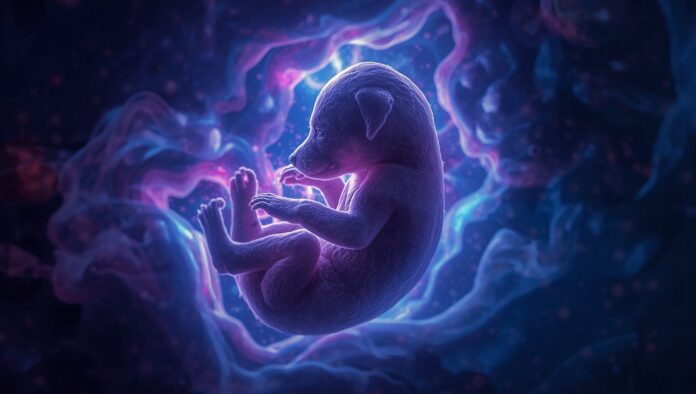
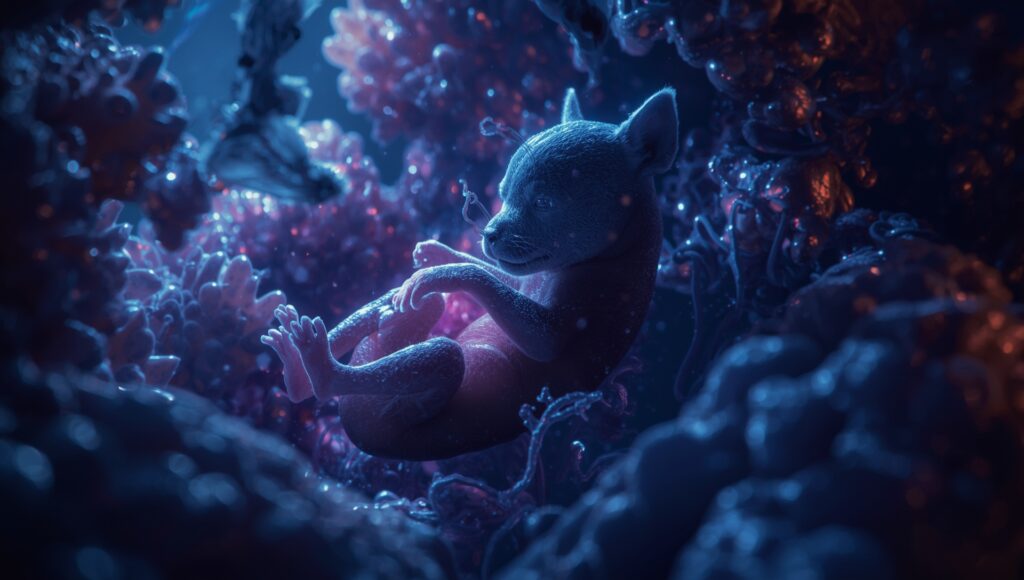
    How do dogs get nutrition in the womb is a fascinating question that reveals the complex bond between mother and pup long before birth. Puppies depend entirely on their mother’s body during gestation, receiving nutrients, oxygen, and immune support through specialized biological systems. Understanding this process helps dog owners appreciate the importance of maternal health and prenatal care.

    How Do Dogs Get Nutrition in the Womb?

    Dogs carry puppies for about 63 days, although the exact length varies slightly with breed and litter size. During this time, puppies go through several important stages:

    How Do Dogs Get Nutrition In The Womb (2)

    Stages of Canine Pregnancy

    • Fertilization: The sperm fertilizes the egg, forming a zygote.
    • Early cell division: Cells rapidly multiply and travel toward the uterus.
    • Implantation: The embryos attach to the uterine wall.
    • Placental development: Nutrient transfer systems form to support growth.
    • Organ formation: By the fourth week, organs and skeletons begin to develop.
    • Final growth: In the last two weeks, puppies gain weight and prepare for birth.

    Each stage relies on maternal nutrition and placental function.

    The Placenta: The Puppy’s Life Support

    The placenta is the most critical structure for delivering nutrition. It forms between the mother’s uterine lining and each embryo, connecting through the umbilical cord.

    Placenta Functions

    • Nutrient transfer: Glucose, proteins, fats, vitamins, and minerals pass into the puppy’s bloodstream.
    • Oxygen exchange: The placenta provides oxygen while removing carbon dioxide.
    • Waste removal: Metabolic waste is carried back to the mother.
    • Hormonal support: Hormones regulate pregnancy and fetal stability.

    Without the placenta, the embryo cannot survive.

    Umbilical Cord: The Direct Nutrient Highway

    Each puppy is attached to the placenta via its own umbilical cord. This cord carries blood rich in oxygen and nutrients to the fetus, while also removing waste.

    When puppies are born, the mother instinctively severs the cord, marking the transition from womb nutrition to milk feeding.

    What Nutrients Do Puppies Receive in the Womb?

    Puppies receive the same essential nutrients humans need, though in species-specific amounts:

    • Proteins: For muscles and organ tissue.
    • Fats: To support energy and brain development.
    • Carbohydrates (glucose): The main energy source.
    • Vitamins: A, D, E, and B-complex for immunity and metabolism.
    • Minerals: Calcium and phosphorus for bones, iron for red blood cells.
    • Water: Critical for hydration and nutrient transport.

    These nutrients depend entirely on the mother’s diet and health.

    The Role of Maternal Nutrition

    A mother’s diet directly influences the quality of nutrition puppies receive in the womb. Poor maternal nutrition can result in weak, underweight puppies or complications at birth.

    Key Dietary Needs for Pregnant Dogs

    • High protein intake for fetal tissue growth.
    • Healthy fats such as omega-3s for brain and eye development.
    • Extra calories in the final trimester when puppies grow rapidly.
    • Balanced vitamins and minerals as recommended by veterinarians.

    Veterinary nutrition experts emphasize that pregnant dogs should never be placed on restrictive diets.

    For more insights on pet diet, check out vital info to feline diet—while it covers cats, the principles of balanced nutrition apply broadly.

    How Do Dogs Get Nutrition In The Womb (3)

    Risks of Poor Maternal Diet

    If the mother does not receive proper nutrition:

    • Puppies may be born underweight.
    • Litter size may be reduced.
    • Puppies may face developmental delays.
    • The mother could struggle during labor.

    According to Petsfura, prenatal care and balanced diets are among the most important factors in pet health outcomes.

    Oxygen: The Unseen Nutrient

    In addition to food, oxygen is vital. The mother breathes for the puppies, transferring oxygen through the placenta. This oxygen fuels metabolism and brain development.

    Any health condition that reduces maternal oxygen flow—such as anemia or lung disease—can negatively affect fetal growth.

    Hormones and Pregnancy Support

    Pregnant dogs produce hormones that regulate gestation and nutrition transfer:

    • Progesterone: Maintains pregnancy.
    • Relaxin: Expands the uterus.
    • Estrogen: Prepares mammary glands for milk production.

    These hormones also help regulate blood supply to the placenta, ensuring puppies continue to receive nourishment.

    Veterinary Care During Pregnancy

    Regular veterinary care ensures both mother and puppies remain healthy. Standard prenatal care may include:

    • Ultrasounds to monitor fetal growth.
    • Adjusted feeding schedules.
    • Deworming to prevent parasite transmission.
    • Vaccinations before pregnancy to pass on immunity.

    For related reading, explore how to keep pets healthy and happy.

    How Do Dogs Get Nutrition In The Womb (4)

    From Womb Nutrition to First Milk

    At birth, puppies shift from womb nutrition to nursing. The very first milk, called colostrum, is rich in antibodies that protect newborns from disease until their own immune systems develop.

    This transition shows how perfectly designed the maternal system is to protect life from conception to early puppyhood.

    Expert Insight

    Veterinary scientist Dr. Patricia Olson notes:

    “The placenta is a temporary but vital organ. Without maternal nutrition, oxygen, and immune support, puppies cannot develop properly in the womb.”

    Key Points Recap

    • Puppies depend on the placenta and umbilical cord for nutrients and oxygen.
    • Maternal diet quality directly shapes puppy development.
    • Essential nutrients include proteins, fats, vitamins, and minerals.
    • Oxygen transfer is just as important as food.
    • Veterinary care ensures pregnancy health.
    • At birth, nutrition shifts to colostrum and milk.

    Conclusion: The Miracle of Womb Nutrition

    How do dogs get nutrition in the womb? The answer lies in the seamless system of maternal care, the placenta, and the umbilical cord. Puppies are nourished by every heartbeat and meal of their mother until birth, when they begin a new journey through nursing.

    For pet owners, this highlights a vital truth: caring for a pregnant dog is more than love—it’s a scientific responsibility that ensures puppies enter the world strong and ready to thrive.

    Explore more animal care insights on the Michuz Blog or visit Petsfura for practical pet guidance.

    Michuz – The Best Tips And Tricks For New Cat Owners

    0

    Bringing a new cat into your home is an exciting experience, but it also comes with its own set of challenges. Whether you’re adopting a kitten or an adult cat, understanding your feline friend’s needs and how to care for them is essential for building a happy and healthy relationship. In this article, we’ll explore The Best Tips And Tricks For New Cat Owners, providing valuable insights to ensure your cat enjoys a comfortable and fulfilling life.

    Michuz The Best Tips And Tricks For New Cat Owners 2

    Michuz – Top Tips And Tricks For New Cat Owners Should Know

    Before diving into the tips and tricks, it’s important to understand your cat’s basic needs. Unlike dogs, cats are more independent and have specific behaviors and care requirements. Understanding these aspects will help you create a better environment for your new pet.

    Understanding Your Cat’s Needs

    1. Nutrition: A balanced diet is essential for your cat’s health. Choose a high-quality cat food that matches their age, size, and health condition. It’s best to consult with your vet for specific dietary needs, especially if your cat has allergies or special health requirements.
    2. Hydration: Cats are notorious for not drinking enough water. Make sure to place multiple water bowls around the house and consider investing in a cat water fountain to encourage drinking. A fountain helps mimic the flow of natural water, enticing your cat to drink more.
    3. Litter Box: Cats are naturally clean animals and require a clean litter box. Scoop it daily and change the litter regularly to avoid odors and ensure your cat’s comfort. Consider the type of litter box—some cats prefer an enclosed box, while others like open ones.

    Key Tips And Tricks For New Cat Owners

    1. Choose the Right Cat Food

    When selecting food for your cat, it’s important to read the labels carefully. Opt for food that includes meat as the first ingredient. Cats are obligate carnivores, which means they require protein from animal sources to thrive. A combination of wet and dry food is ideal to balance hydration and dental health.

    Consult with your vet for recommendations on the best food based on your cat’s age and health. Cats, just like humans, have specific dietary needs based on their stage of life. A kitten’s food is different from an adult cat’s food, which, in turn, differs from senior cat food.

    2. Create a Safe Space for Your Cat

    Cats love their independence, so providing them with a quiet space where they can retreat is essential. Consider creating a cat-friendly space in your home with cozy beds, scratching posts, and toys to help them feel secure. Having a designated space will also prevent your cat from feeling overwhelmed by the hustle and bustle of the household. This space can be a comfy cat bed, a hiding spot under furniture, or even a quiet corner with their favorite blanket.

    A safe space also helps in managing their stress levels, especially if your cat is new to the environment or if you have other pets. Cats need their personal time away from the crowd to feel secure.

    3. Groom Regularly

    While cats groom themselves, they still need regular brushing, especially long-haired breeds. Brushing your cat helps prevent matting, reduces shedding, and provides a bonding opportunity. It’s also a good way to check for any abnormalities on their skin, such as lumps, rashes, or parasites like fleas.

    For short-haired cats, brushing once a week is enough, while long-haired cats need more frequent brushing to prevent their fur from tangling. Regular grooming can also reduce the amount of hair that ends up on your furniture.

    4. Socialization

    Whether you adopt a kitten or an adult cat, socializing with them early on is important. Play with your cat regularly and spend time with them to build trust and strengthen your bond. This is especially true for kittens, as socializing at a young age helps them develop healthy behaviors.

    Socialization is essential for helping your cat become comfortable with other pets and humans. If you have other pets, such as dogs, introducing them slowly and carefully is key to creating a harmonious household. Slow introductions reduce the risk of stress and conflict between animals.

    5. Health Care

    Regular visits to the vet are crucial for your cat’s well-being. Keep up with vaccinations, flea treatments, and deworming schedules. It’s important to take your cat for check-ups at least once a year to ensure they are in good health. Cats, especially those with pre-existing health conditions, may require more frequent visits to the vet.

    Also, be sure to keep your cat’s claws trimmed and monitor their weight. Obesity can lead to serious health problems, including diabetes, arthritis, and heart disease. Your vet can provide guidance on portion sizes and appropriate exercise for your cat’s health.

    Michuz The Best Tips And Tricks For New Cat Owners 1

    Tips And Tricks For New Cat Owners: Essential Cat Care Products for New Owners

    Having the right products is crucial for your cat’s happiness and well-being. Here are some of the essentials every new cat owner should consider:

    • Cat Scratching Posts: Scratching is a natural behavior for cats, and providing a scratching post will save your furniture. Cats use scratching to mark their territory, stretch, and sharpen their claws. Choose a scratching post that is tall and sturdy to encourage healthy scratching behavior.
    • Cat Carrier: A sturdy carrier is necessary for vet visits and travel. Make sure it’s large enough for your cat to move around in, but not so large that they feel insecure. It should also have ventilation and a secure door for easy access.
    • Cat Toys: Interactive toys like laser pointers, feather wands, and puzzle feeders will keep your cat engaged and active. Playtime helps reduce stress and prevents boredom, which can lead to destructive behaviors.
    • Litter Box: Choose a litter box that suits your cat’s preferences. Some cats prefer open boxes, while others like covered ones. It’s important to keep the box clean and to place it in a quiet, accessible area of the home.

    Training and Behavioral Tips for Cats

    Cats are intelligent and can be trained, but it requires patience and consistency. Here are some essential training tips:

    1. Litter Training

    Most cats instinctively use a litter box, but some may need guidance. If your cat is having trouble, make sure the box is placed in a quiet, accessible location. You can also experiment with different types of litter until you find the one your cat prefers.

    It’s important to keep the litter box clean. Cats are very particular about their hygiene, and a dirty box can lead to them refusing to use it. Scoop the litter box daily and replace the litter regularly to ensure it’s fresh.

    2. Discourage Bad Behavior

    Cats may scratch furniture, chew on wires, or jump on counters. Using positive reinforcement methods like treats and praise when they exhibit good behavior will help them understand what’s expected. Additionally, providing alternatives like scratching posts can redirect their energy.

    Avoid using punishment or harsh methods. Cats don’t respond well to negative reinforcement, and it can damage the bond between you and your cat.

    3. Leash Training

    While not all cats will take to leash training, some may enjoy walking outdoors in a harness. Start slow and keep the sessions short, gradually allowing your cat to explore new areas. Ensure the harness is comfortable and secure before venturing outside.

    Leash training is an excellent way for your indoor cat to experience the outdoors in a safe and controlled environment.

    For New Cat Owners 3

    Common Mistakes New Cat Owners Make

    1. Ignoring Behavioral Signs

    Cats communicate through body language and vocalizations. Pay attention to your cat’s signals, such as purring, tail flicking, or hissing. Understanding these signs can help you address their needs and prevent behavior problems.

    A cat’s body language can reveal their emotions. For example, if your cat’s tail is flicking rapidly, it may indicate that they’re irritated or overstimulated. Similarly, a puffed-up tail indicates fear or aggression. Learning these signs will make it easier to manage their behavior.

    2. Overfeeding

    Cats tend to beg for food, but overfeeding can lead to obesity and health problems. Follow your vet’s guidelines on feeding portions and avoid giving too many treats. Ensure that your cat gets a balanced diet with the proper nutrients they need for their age, size, and activity level.

    3. Not Providing Enough Stimulation

    Cats can get bored easily, especially if left alone for long periods. Provide stimulating toys and activities to prevent destructive behavior caused by boredom. Puzzle feeders, interactive toys, and even simple cardboard boxes can provide hours of entertainment.

    Cats need mental and physical stimulation to stay happy. If you’re away from home often, consider getting a second cat for companionship or hiring a pet sitter to provide engagement.

    The Benefits of Being a Cat Owner:

    The Benefits of Being a Cat Owner: “Tips And Tricks For New Cat Owners”

    Owning a cat comes with several benefits, not only for the cat but for you as well:

    • Stress Reduction: Studies have shown that the act of petting a cat can lower blood pressure and reduce stress levels. The calming purring sound that cats make is also proven to have therapeutic effects on humans.
    • Companionship: Cats make great companions. Their independent yet affectionate nature makes them a great choice for people living alone or with limited space. They provide comfort and company without demanding constant attention.
    • Entertainment: Watching a cat play or simply observing their quirky behavior can bring endless entertainment. From chasing laser pointers to their silly antics, cats can provide hours of amusement for their owners.

    Case Study: A First-Time Cat Owner’s Experience

    Let’s take a look at Sarah, a first-time cat owner. She adopted a one-year-old cat from a local shelter, and with a little guidance on the best tips and tricks for new cat owners, she quickly formed a close bond with her new pet.

    Sarah started by creating a quiet space for her cat, providing plenty of toys and scratching posts. She paid attention to her cat’s behavior, learning when she was in the mood to play or when she needed some quiet time. Through patience and consistent training, Sarah was able to train her cat to use the litter box and even leash train her for outdoor walks.

    Sarah’s story highlights the importance of being informed and proactive as a new cat owner. With the right tips, it’s easy to create a positive environment for your cat to thrive.

    Conclusion

    Being a new cat owner comes with its challenges, but with the right tips and tricks, you can provide your feline friend with a happy and healthy life. Remember to understand your cat’s needs, be patient with training, and ensure you have the right products to support their well-being. By following The Best Tips And Tricks For New Cat Owners, you’ll foster a positive relationship with your cat that will last for years to come.

    This article provides a comprehensive guide to becoming the best cat owner you can be, ensuring both you and your cat enjoy a fulfilling experience together.

    What Breed Of Kitten Is The Cutest That Melt Heart?

    0

    From the moment we first lay eyes on them, kittens spark joy like few other creatures on Earth. Their big curious eyes, wobbly first steps, and tiny purrs tug on the heartstrings of millions. But with so many breeds to choose from, many find themselves asking: What breed of kitten is the cutest?

    What Breed Of Kitten Is The Cutest That Melt Heart

    What breed of kitten is the cutest? Meet the 15 Breeds That Melt Hearts

    While cuteness is subjective, certain cat breeds consistently charm pet lovers across the globe. These kittens blend looks with temperament, offering something for every personality and lifestyle. Whether you’re a first-time cat owner or a long-time feline devotee, this guide will help you fall in love all over again.

    If you’re preparing to welcome a furry friend into your home, these cat care guidelines can be essential for getting started right.

    Why kitten breed matters when choosing your ideal pet

    So, what exactly makes one kitten cuter than another? Is it their tiny features, luxurious coat, or snuggly nature? In truth, all of those play a role. But more than looks, a kitten’s breed often hints at their personality, grooming needs, and compatibility with families, kids, and other pets.

    Some breeds are naturally affectionate, while others prefer independence. Many have specific grooming requirements that affect their long-term maintenance. If you’re a first-time owner, check out these helpful cat care tips to avoid common mistakes.

    What breed of kitten is the cutest?

    Let’s explore 15 of the most adorable kitten breeds the feline world has to offer.

    Munchkin – The tiny-legged heart-stealer

    With their famously short legs, Munchkins look like the feline version of dachshunds. Their playful nature and boundless energy make them delightful housemates. Despite their stature, Munchkins are agile, fast, and highly interactive.

    They’re also widely loved for their quirky postures—often sitting on their haunches like prairie dogs. If you’re asking what breed of kitten is the cutest, Munchkins will likely be one of your top contenders.

    What Breed Of Kitten Is The Cutest That Melt Heart 2025 (1)

    Ragdoll – Gentle, floppy, and irresistibly soft

    Ragdolls get their name because they tend to go limp with relaxation in your arms. These kittens are gentle giants, known for their blue eyes, silky fur, and cuddly personalities. They’re great with children and can even learn tricks.

    Due to their luxurious coats, they do shed quite a bit. Regular grooming becomes important, especially to avoid matting. Learn more about essential grooming techniques for cats like Ragdolls to keep them comfortable and clean.

    Maine Coon kitten – The majestic family protector

    The Maine Coon is America’s native long-haired breed and also the largest domestic cat. These gentle giants can weigh up to 25 pounds, yet they’re affectionate and patient with kids.

    Their bushy tails and rugged appearance make them look like tiny lynxes, and they often follow their owners from room to room like loyal companions. Maine Coons aren’t just pretty—they’re intelligent and playful too.

    Ragamuffin – The lap cat with a teddy bear soul

    Ragamuffins are close relatives of Ragdolls, with equally plush coats and warm temperaments. They thrive on human companionship and will often seek out attention by gently curling into your arms.

    Because of their affectionate nature, Ragamuffins are ideal for families. If you’ve wondered what breed of kitten is the cutest and want a pet that acts like a puppy, this one might be it.

    Scottish Fold – Adorably unique

    With their owl-like folded ears, Scottish Folds have a face that’s hard to forget. They’re curious, affectionate, and love interactive play.

    Their calm demeanor and gentle personality make them great companions for apartment dwellers and large families alike. Don’t leave them alone too long, though—they need plenty of stimulation. Learn about their quirks and other unique cat behaviors.

    Bengal kitten – The wild beauty of the house

    Bengals have an pecular appearance, with leopard-like markings and athletic builds. But don’t let their wild look fool you—these cats are loving, smart, and extremely playful.

    They need regular activity to stay happy, so interactive toys and climbing trees are a must. For advice on keeping Bengals and other energetic cats in top shape, read these 2025 cat wellness tips.

    Russian Blue – Elegant and enigmatic

    This breed sports a beautiful silver-blue coat and vibrant green eyes. Russian Blues are reserved at first but become deeply loyal to their humans.

    They enjoy routines and quiet environments. Their hypoallergenic properties also make them suitable for people with allergies.

    Siberian – A fluff ball built for snow

    Originally from Russia, the Siberian cat thrives in cold weather with its triple-layered coat. These cats love water and are more playful than their royal looks suggest.

    Affectionate and family-oriented, they get along well with other pets and are surprisingly agile. Just be prepared for regular brushing during shedding season.

    British Shorthair kitten – Calm, collected, and charming

    With round faces and plush coats, British Shorthairs are the teddy bears of the cat world. They’re relaxed and undemanding, making them perfect for busy families.

    Their famously chill temperament pairs well with children, dogs, and other cats. Blue-gray is the most popular color, hence the name “British Blue.”

    What Breed Of Kitten Is The Cutest That Melt Heart 2025 (2)

    Cymric – Tail-less but full of love

    The Cymric is essentially a long-haired Manx and often born without a tail. Their personalities are affectionate and playful, similar to the American Bobtail.

    When adopting a Cymric, ensure you choose a reputable breeder. For more on understanding feline bodies and health, explore this cat anatomy guide.

    American Bobtail – The Golden Retriever of cats

    Known for their stubby tails and dog-like personality, American Bobtails are highly social. They bond closely with their humans and adapt well to travel.

    They’re intelligent and even enjoy walking on leashes. These kittens prove that when wondering what breed of kitten is the cutest, personality matters as much as looks.

    British Longhair – The regal fluff

    A mix of Persian and British Shorthair, the British Longhair boasts a dense coat and sweet expression. These calm kittens are affectionate without being clingy.

    Due to their thick fur, grooming is essential. Get your grooming game strong with these vital guidelines.

    Birman – Gentle and bright

    Birmans are loving and curious. Their white gloves and bright blue eyes make them show-stoppers. They’re ideal for families, especially those with kids.

    Birman cats are affectionate without being overly dependent. They often greet family members at the door and enjoy quiet company.

    Egyptian Mau – Spotted and expressive

    Egyptian Maus are the only naturally spotted domestic cats. They’re also among the fastest. Vocal and affectionate, they create strong bonds with their families.

    These unique cats combine athleticism with emotional intelligence. They’re equally happy lounging indoors or playing with their favorite toy.

    Persian – A timeless beauty

    Persian – A timeless beauty

    Perhaps one of the most popular breeds, Persians exude luxury. Their large eyes and long coats require daily grooming, but the results are stunning.

    Persians are calm, quiet, and best suited to peaceful homes. If you’re interested in their rich history and care requirements, explore this breed overview.

    Choosing your cutest kitten

    So, after all this, what breed of kitten is the cutest? There’s no single answer. For some, it’s the playful Bengal. For others, it’s the cuddle-loving Ragdoll.

    Your perfect kitten should match your lifestyle, energy level, and time commitment. Always consider health needs too. Some kittens, like the Persian, need more grooming, while others thrive with minimal care.

    A balanced diet plays a huge role in kitten health. Read these new cat food picks to support your feline’s well-being from the start.

    Final thoughts: Let love lead the way

    Whatever your choice, remember that each kitten brings something special. The question “what breed of kitten is the cutest?” is only half of the journey.

    The real magic begins when that purring bundle of fur curls up in your lap—and looks up at you like you’re their entire world.

    Want more cat-related stories, training advice, and health tips? Explore the Michuz Cat Blog for everything feline lovers need.

    Or discover how long cats live and why every moment matters—because when it comes to kittens, every second is priceless.

    Recent Posts