The question, “Are immigrants eating pets?” has circulated in various forms across media platforms, often sparking curiosity and concern. This topic involves significant cultural sensitivities and misunderstandings. And it’s important to address it with factual insights to differentiate between myths and reality. In this article, we will delve into the origin of this question. The cultural aspects surrounding food consumption, and how to properly navigate the information being shared.
The Origin of the “Immigrants Eating Pets” Question
The question “Are immigrants eating pets?” often emerges as a sensationalized headline or anecdotal story designed to stir emotions and provoke controversy. This question typically arises from specific cultural practices where animals, such as dogs, are considered edible in certain countries, often in East Asia. But it has been misrepresented when applied to immigrants in general. The spread of this narrative can be traced to a mixture of xenophobia, misinformation, and cultural misunderstandings. Especially when individuals from different parts of the world move to countries where pets are viewed differently.
Understanding Cultural Differences Around Pet Consumption
Globally, food customs vary greatly, and what is considered a delicacy or acceptable food in one culture might be viewed as taboo in another. In some countries, especially parts of Asia, eating certain animals—such as dogs and cats—has historical roots. Where these meats were considered traditional in specific regions. However, these practices are not universally accepted within those countries, and they have been subject to criticism and evolving legal regulations.
- Historical Context: In some cultures, dog meat has been consumed as part of historical dietary practices. However, over the years, the consumption of dog meat has declined in many countries due to growing concerns about animal rights, pet ownership, and shifting social attitudes.
- Modern Shifts: In the modern world, many of the countries where dog meat once had a place in the diet are moving toward banning the practice, influenced by global pressures regarding animal welfare. Countries such as South Korea and China have made significant strides in limiting or outlawing the consumption of dog meat.
Despite this, cultural differences persist, and practices in the past may still inform misconceptions about immigrants. Particularly those arriving from areas where the consumption of certain animals might have been a norm. The question, “Are immigrants eating pets?” arises from the conflation of cultural practices. And the broad generalization of individuals, which often leads to stereotypes.
Stereotypes and the Role of Media in Perpetuating Misinformation
In today’s world, media plays a significant role in shaping perceptions and fueling misconceptions. Social media, in particular, can amplify rumors and create moral panic over topics like the consumption of pets. Articles or videos with exaggerated claims may garner views, but these sensational headlines often lack context and fail to provide a full, nuanced understanding of the cultural dynamics involved.
A few reasons why this topic has gained attention in the media include:
- Xenophobia and Fear of the “Other”: Immigrants often face prejudice based on their cultural practices, which may differ significantly from those of the host country. The “eating pets” myth serves to cast doubt on the values of immigrant communities, creating divisions based on unfounded fears.
- Cultural Shock and Misunderstanding: When people are exposed to different ways of living, including food choices, it can lead to shock or disgust. This feeling can quickly turn into judgment. Where certain cultural practices are misinterpreted as harmful or inappropriate without a deeper understanding of context.
- Viral Content: Misleading content, like videos or stories about immigrants eating pets. Can quickly go viral because of its shocking nature. These stories rarely come with accurate background information and often present an oversimplified view of complex cultural traditions.
The Reality: Are Immigrants Eating Pets?
In reality, the vast majority of immigrants, like native populations, do not consume pets. Just as the general population in many parts of the world does not eat cats or dogs. Most immigrants follow similar dietary practices that adhere to ethical standards of pet ownership. Pets, especially cats and dogs, are largely considered family members in many cultures, and their consumption is rare, if not entirely taboo, in most modern societies.
Cultural Shift Toward Animal Rights
In recent decades, global awareness about animal rights has grown, and so has the responsibility of pet ownership. Across the world, including among immigrant communities. Pets are increasingly seen as companions and family members, rather than sources of food.
- Pet Ownership as a Global Norm: In the global context, pet ownership is seen as a sign of affection, and the emotional bond between humans and animals is celebrated. With widespread awareness of pet care, there has been an increasing shift in the way people treat and regard animals, especially as pets.
- Global Bans and Restrictions: Many countries have passed laws that prohibit the consumption of dogs and cats. For example, in the United States and the European Union, there are strict regulations about animal welfare and the treatment of pets, making it highly unlikely that immigrants would adopt practices contrary to those legal standards.
What Drives These Misunderstandings of, are immigrants eating pets?
The misconceptions about immigrants eating pets stem from a few key factors:
- Lack of Cultural Understanding: People who are unfamiliar with the cultural practices of immigrants may rely on stereotypes or hearsay, rather than facts. Cultural practices vary widely across the world, and understanding these differences can lead to more informed, less judgmental attitudes.
- Overgeneralization: The actions of a small minority are often used to paint an entire group with a broad brush. A few instances of controversial practices—usually isolated or outdated—are generalized to an entire population of people.
- Sensationalism: The media’s tendency to sensationalize shocking or unusual practices contributes significantly to these myths. When stories about specific cultural practices gain attention, it can lead to a larger narrative that is not necessarily grounded in the everyday experiences of most immigrants.
The Importance of Cultural Sensitivity and Awareness
To navigate questions like “Are immigrants eating pets?” with understanding and empathy, it is crucial to foster cultural sensitivity and awareness. Recognizing the value of diverse cultural backgrounds and educating ourselves about different traditions can help eliminate stereotypes and reduce the spread of harmful misinformation.
Understanding and Empathy
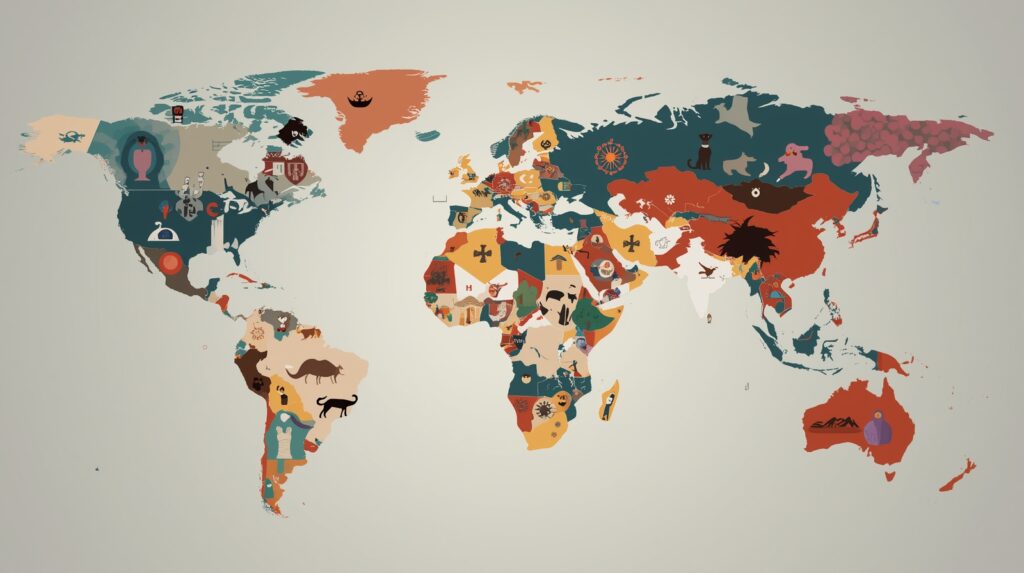
The globalized world we live in today is full of diverse cultures. And what we may find strange or unsettling might hold significant meaning to others. While it is important to advocate for animal rights and ensure that pets are treated with dignity. It is equally important to engage with cultural differences respectfully and without assumption.
- Engagement with Immigrant Communities: By engaging with immigrant communities in a positive and open-minded way. We can break down misconceptions and create spaces for dialogue about shared values, such as compassion for animals.
- Education on Animal Welfare. Educating people about animal rights and ethical treatment is vital, but this should be done in a way that encourages understanding, rather than shame or isolation.
Conclusion: Moving Beyond Myths and Embracing Understanding
In conclusion, the question, “Are immigrants eating pets?” reflects a deeper issue of misunderstanding and fear based on cultural differences. The reality is that most immigrants do not engage in practices that involve eating pets. And the widespread consumption of dogs or cats is increasingly rare, even in the countries where it was once practiced.
It is essential to separate myths from facts and approach discussions surrounding immigrants and food culture with an open mind. Stereotyping based on isolated, outdated practices only fosters division and prevents genuine cultural understanding. As we continue to grow as a global society, embracing diversity, promoting empathy, and advancing education about cultural practices will help dispel harmful myths and build stronger communities.